





the science of switching off: Dr Anna Persaud in the Financial Times
Dr Anna Persaud, CEO of This Works, joins the Financial Times’ Brains of Wellbeing + Beauty series to explore what it really takes to get a better night’s sleep.

what does it really take to get the best night’s sleep?
It’s a question Dr Anna Persaud, CEO of This Works, recently explored with the Financial Times as part of its Brains of Wellbeing + Beauty series - a programme of live conversations with entrepreneurs, innovators and practitioners shaping the beauty and wellbeing industries.
In her interview, “Dr Anna Persaud: how to get the best night’s sleep,” Anna explored the science behind one of the things we have spent more than two decades studying at This Works: sleep.
But the conversation wasn’t only about what happens when your head hits the pillow. It was about what comes before it - and the science of switching off.
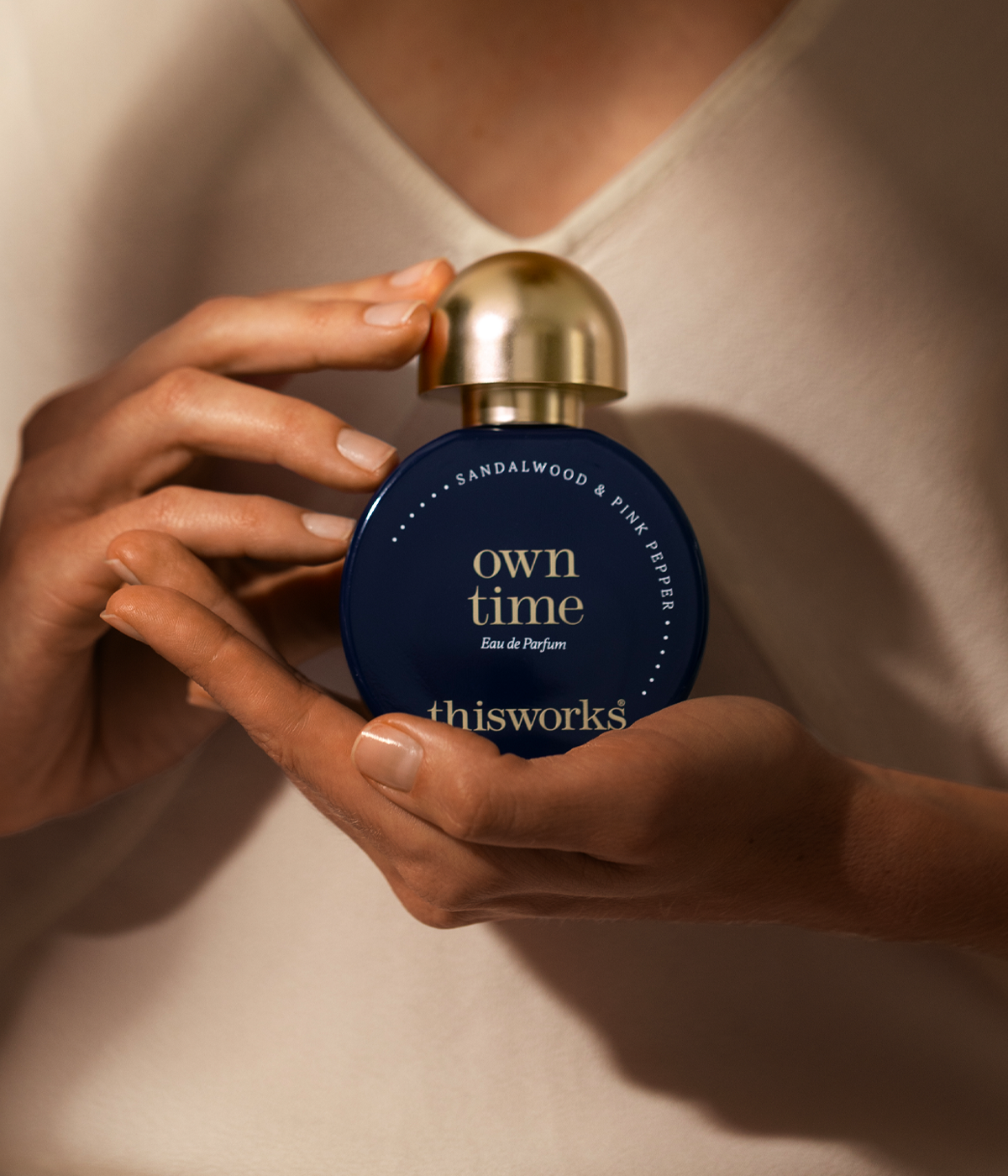
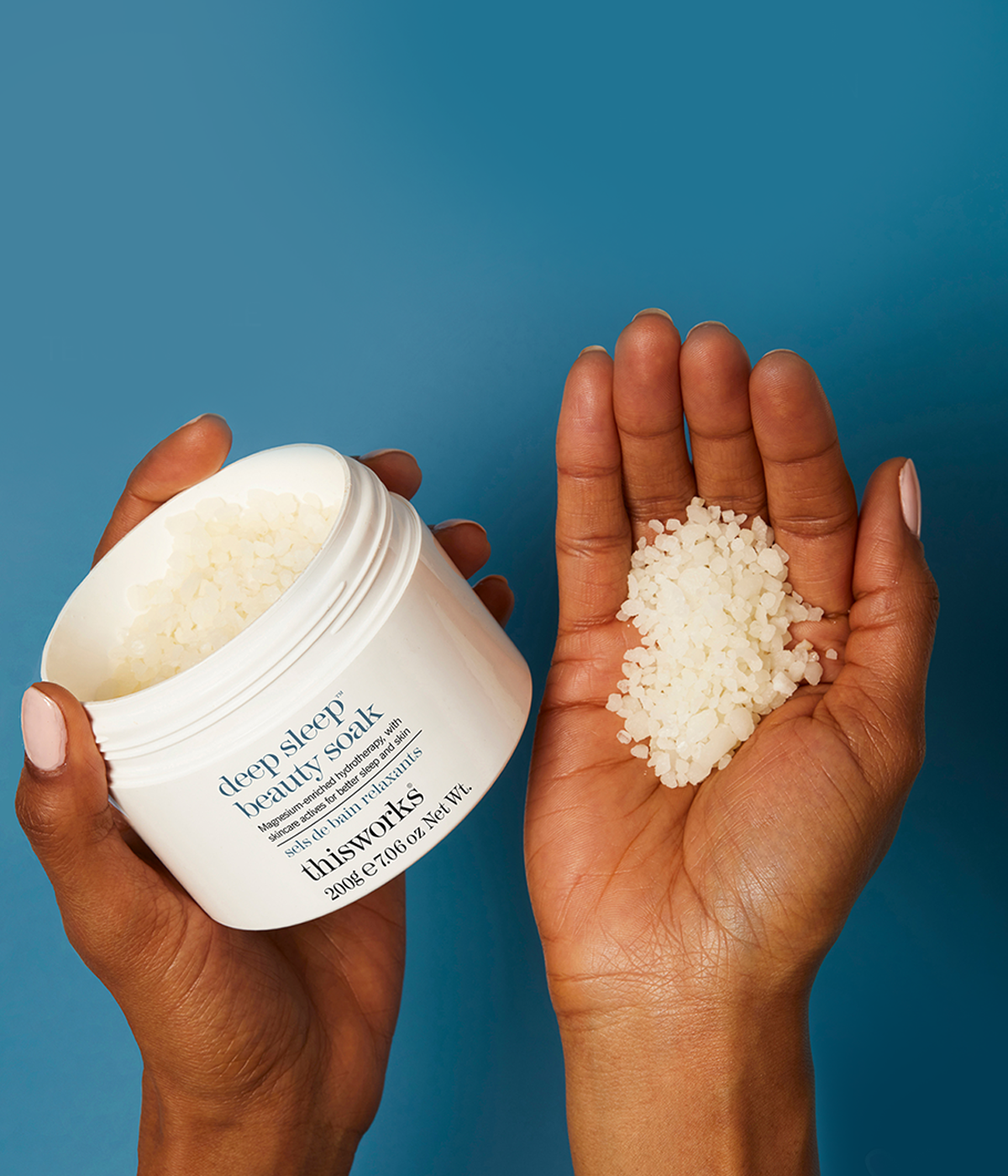
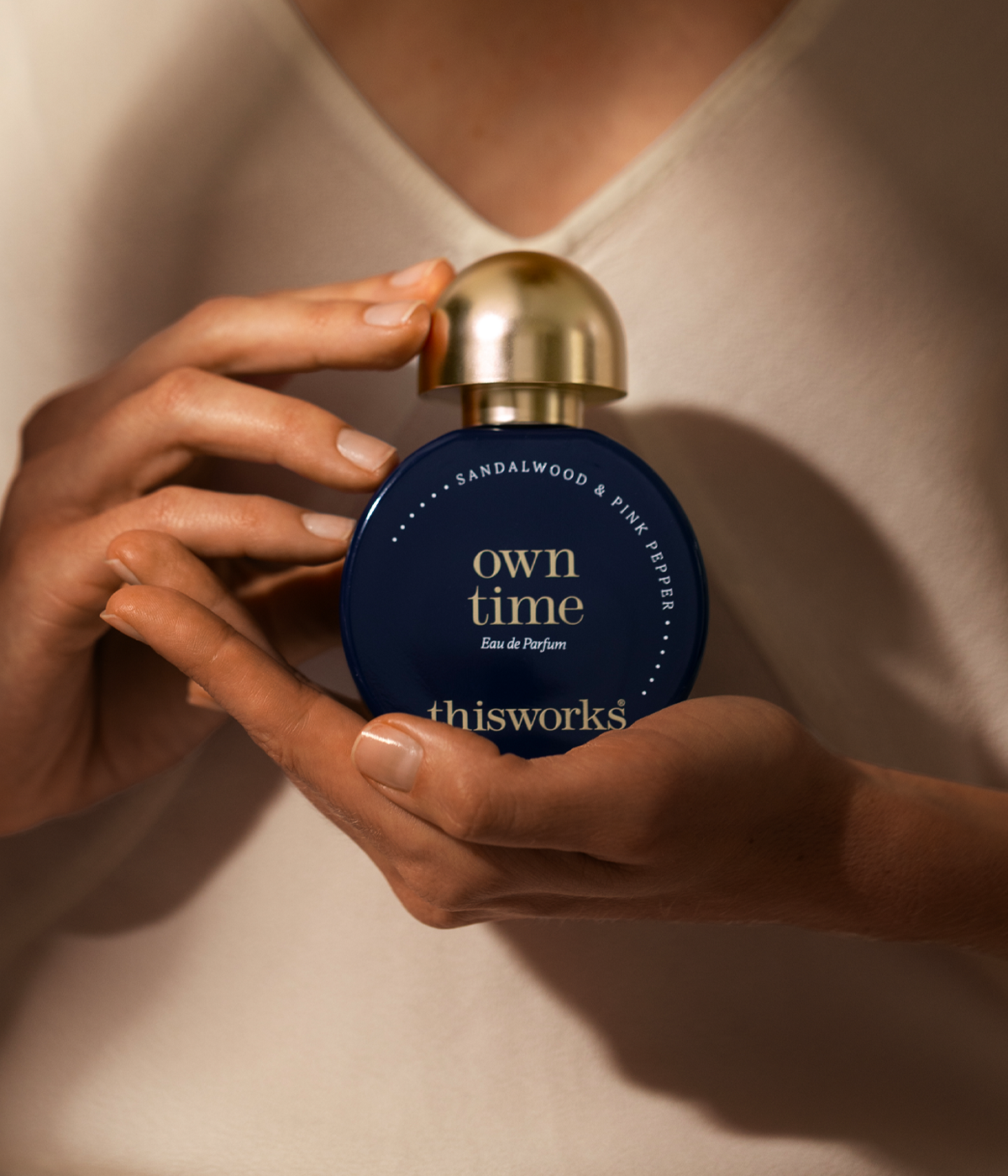
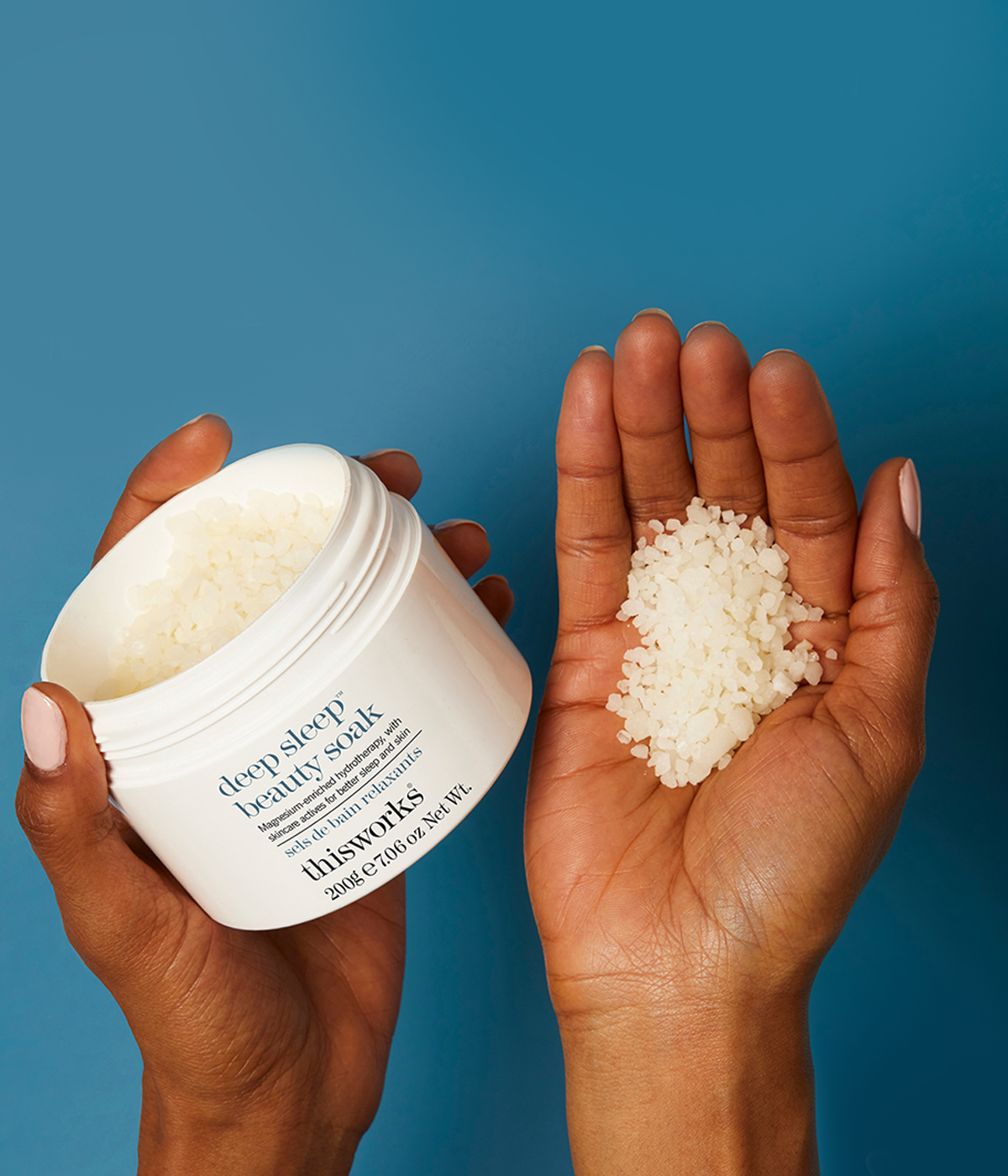
Photography: @shaunjamescox
sleep starts before bedtime
At This Works, we believe recovery doesn’t begin when you get into bed. It begins when you switch off.
Throughout the day, our brains and bodies are continuously responding to the world around us: light, sound, scent, touch, movement, screens and the constant demands on our attention.
So the question isn’t simply how quickly you fall asleep. It’s how well you can transition from the demands of your day into the biological conditions that allow recovery to happen.
That transition was central to Anna’s conversation with the Financial Times, exploring sleep alongside the everyday behaviours and sensory signals that can influence our ability to rest.
why is it so hard to switch off?
Modern life asks a lot of our senses.
We move between screens, notifications, artificial light, conversations and constant streams of information, often right up until the moment we expect ourselves to sleep.
Our brains are continually processing sensory information and deciding what deserves our attention and what can be filtered out - a process known as sensory gating.
When we remain surrounded by stimulation, the transition from an active day into rest can become more difficult. This is why switching off isn’t simply about feeling tired. It’s about giving the brain and body the right cues that the demands of the day are coming to an end.
give your senses a signal
Rather than expecting the nervous system to move instantly from doing to sleeping, creating a consistent transition can help prepare the body for rest.
Dimming the lights. Stepping away from screens. Slowing your breathing. Taking a warm bath. Applying bodycare with intention. Returning to a familiar scent.
These small sensory cues can become part of a recognisable ritual that marks the transition from day to night.
Scent is particularly powerful because of the close relationship between our sense of smell and areas of the brain involved in emotion, memory and physiological responses.
It’s this connection that sits behind our approach to Functional Fragrance - carefully considered fragrance blends designed to work alongside sensory ritual at specific moments throughout the day and night.
Our deep sleep pillow spray, for example, combines Lavender, Camomile and Vetivert as part of a consistent bedtime ritual, creating a familiar sensory cue for the moment it’s time to switch off.
nervous system care is sleep care
Better sleep isn’t only about perfecting the eight hours you spend in bed.
It’s also about considering what your nervous system experiences during the other sixteen.
Creating moments of pause throughout the day, getting natural light, becoming aware of overstimulation and developing consistent evening rituals can all form part of a wider approach to preparing for sleep.
Because switching off shouldn’t be another thing to perfect.
It’s about creating the conditions that allow the body to move away from the demands of the day and towards rest, recovery and sleep.
Recovery doesn’t begin when you get into bed. It begins when you switch off.
Watch Dr Anna Persaud’s full interview, “Dr Anna Persaud: how to get the best night’s sleep,” in the Financial Times here: Dr Anna Persaud: how to get the best night’s sleep
 expertsgetting on your nerves? episode 5: the September switchIn episode 5 of getting on your nerves?, Dr Anna Persaud is joined by medical doctor Dr Lana Gault to explore the September switch – how the transition from summer into autumn affects our physical health, mental wellbeing, sleep and...read post
 expertsgetting on your nerves? bonus episode: getting out of your head, into your bodyIn this Wellness Weekender special of getting on your nerves?, Dr Anna Persaud is joined by wellness expert and integrative therapist Esther Triviño to explore somatic yoga, interoception, nervous system regulation and how movement, breath, sound and sensory cues can...read post
 expertsgetting on your nerves? episode 4: wherever I lay my hatWhy can some people sleep anywhere, while others struggle as soon as their surroundings change? Dr Anna Persaud and Professor Gaby Badre explore sleep adaptability, circadian rhythm, nervous system regulation and how to become a more resilient sleeper when conditions...read post
 expertsgetting on your nerves? episode 3: the power of nowIn episode 3 of getting on your nerves?, Dr Anna Persaud is joined by psychotherapist and trauma expert Lauren Baird to explore why being present can feel so difficult. From negativity bias, fight or flight and the window of tolerance...read post
 expertsgetting on your nerves? episode 2: the upper body editIn episode 2 of getting on your nerves?, Dr Anna Persaud is joined by Dr Lana Gault and This Works ambassador Mithra Nandu to explore how stress and nervous system dysregulation show up in the upper body. From jaw tension,...read post
 expertsgetting on your nerves? episode 1: signs you are stressedIn episode 1 of getting on your nerves?, Dr Anna Persaud is joined by medical doctor Dr Lana Gault to explore how stress first shows up in the body and mind. From burnout, fatigue and disrupted sleep to fight or...read post
 sleep hygienecan you train your brain for bedtime?Can a familiar scent become a signal that it is time to sleep? Professor Gaby Badre explores the connection between scent, the brain and nervous system — and how repeated sensory cues may help support the transition from daytime alertness...read post
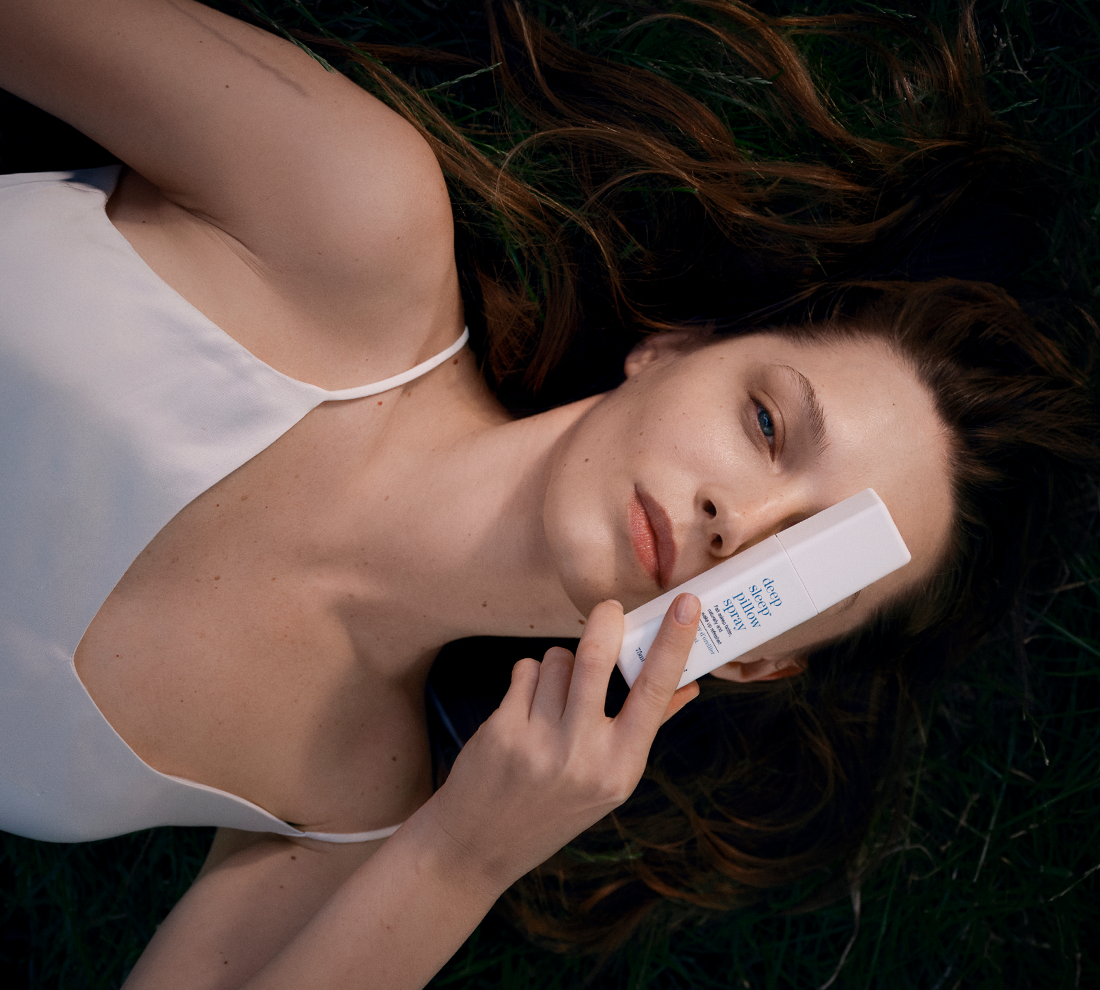 sleep hygienewhen the brain won’t switch off: understanding chronic insomniaWhy can sleep remain difficult long after the original trigger has passed? Professor Gaby Badre explores the science of chronic insomnia, the hyperarousal that can keep the brain alert at night, and how the brain can be retrained for sleep.read post
