getting on your nerves? episode 5: the September switch
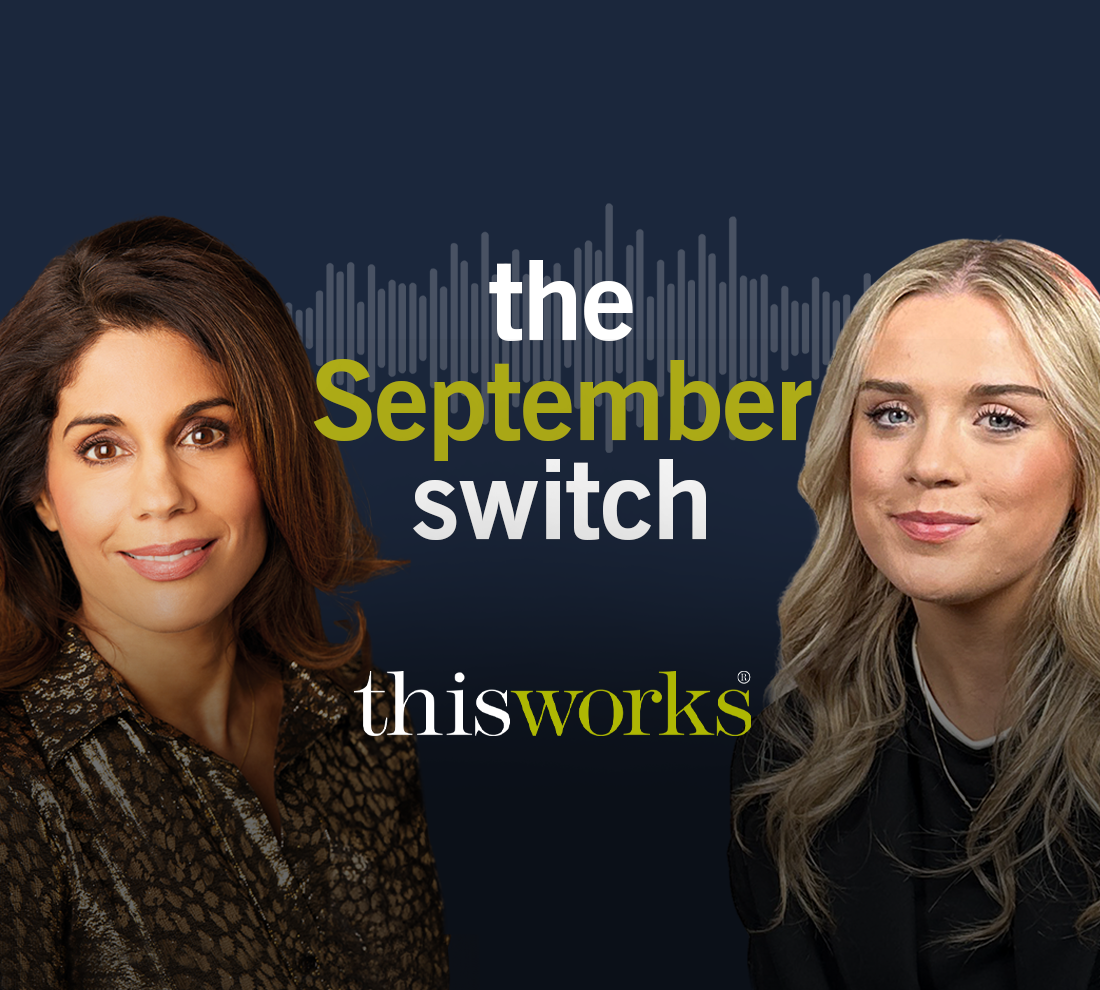
In episode 5 of getting on your nerves?, Dr Anna Persaud is joined by medical doctor Dr Lana Gault to explore the September switch – how the transition from summer into autumn affects our physical health, mental wellbeing, sleep and nervous system. From seasonal illnesses, immunity and joint pain to reduced daylight, circadian rhythms and evening rituals, they discuss how to adapt to the changing seasons. Lana also shares her personal experience of sleep during pregnancy and the small changes that have helped her navigate this new chapter.

part 1: the September switch – how seasonal changes affect our health
why September is a moment of change
Anna: My name is Dr Anna Persaud, and I'm the CEO of This Works.
On today's podcast, getting on your nerves?, I'm delighted to be joined by Dr Lana Gault.
Hi, Lana.
Now, Lana has been with us before on this podcast. She is a medical doctor and an aesthetic medicine specialist.
Lana is joining us today to talk about September and the switch that happens to our bodies.
It's a big moment in the calendar. People go back to work, children go back to school, but there's a lot that goes on.
What I'm going to talk with Lana about today are some of the major themes that we experience in our lives as September begins and takes us into the autumn and winter seasons.
What can we do to protect and take care of our wellbeing, our mental health, our physical health and our sleep?
And when it comes to the nervous system, what measures can we put in place that are in our hands to help ourselves manage our nervous systems better?
Lana, it's always lovely to have you on the show. Tell everybody what you do and why you're here today.
Lana: It's lovely to be back here again.
My name's Lana. I'm a medical doctor working in Northern Ireland. I split my time between my medical career in the emergency department and aesthetics.
I have a bit of both, which is really nice, but it means I've got a slightly broader knowledge of different topics, which is really helpful for things like this.
Anna: Absolutely. Your knowledge of the medical issues that affect us is really important for us as a wellbeing brand to explore.
September is a big month. We were talking about the fact that September is a month when many children are born.
Today is actually my son's birthday.
And I'm really delighted today because we're here to talk about sleep, and we're going to talk about sleep and pregnancy, but I get to share your good news that you're also pregnant.
Lana: I am, which is very exciting.
It's very appropriate for the topic today, I think.
Anna: Congratulations!
It's lovely to have a woman on the show who is pregnant and is going to know herself firsthand how it feels to take a baby through to the final stages, with all those beautiful moments along the way, including sleep.
We'll talk about what you know as a doctor about sleep for women during pregnancy.
September, as I said, is a month when there's a lot of change.
There's a new idea around Slow September, which I welcome. Rather than setting all these goals, a little bit like January, we're taking it a little more gently, a little more relaxed.
Seasonally, this September in the UK is looking very different from other years. We've been through a drought. Autumn seems to have come early.
Is that true in Northern Ireland? Are you seeing the same thing?
Lana: Definitely. I don't think we were as lucky in Northern Ireland with the weather during the summer.
I feel like I've brought the bad weather with me today. It was raining in Belfast yesterday, and today it just happens to rain in London.
Anna: I think a lot of gardeners and water authorities are going to be grateful you brought the rain with you!
We've been blessed with a lot of good weather and a lot of UV, which I think from a mood point of view has served the population well.
But there is an atmospheric change afoot.
In your medical practice, what do you start to see coming through the door in September?
seasonal illnesses, immunity and mental wellbeing
Lana: There are probably a number of medical problems we come across, particularly from September onwards.
This could be from mood changes to physical health changes.
Mood is quite a common one.
A lot of people are adjusting to the change in weather and light. They're not able to get out and socialise as much, which can have a direct effect on someone's mood and their ability to socialise because they're just not feeling up to it.
But there are also physical health problems.
People who are particularly at risk of things like COVID, flu or everyday common colds can be affected much more severely.
Someone who's immunosuppressed might find that in September they're getting sick, but not just with a regular cold. They're getting really sick because they don't have the same reserve to fight those infections.
Anna: If you look in Boots or Holland & Barrett, you'll see that there's a lot of focus on immunity protection.
Schools are hothouses of germs, as are universities.
The freshers go back, and there's freshers' flu.
We're mingling and sharing germs and viruses that we may not have come across when living in different parts of the country.
Then suddenly everybody gets back together again.
So lots of typical flus, colds and coughs.
Explain more about immunosuppressed people. Who within the population is particularly vulnerable?
who is more vulnerable to seasonal infections?
Lana: People with diabetes, for example, can be more vulnerable to certain infections.
People undergoing chemotherapy or treatment for cancer may have a significantly weakened immune system.
I used to work in a haematology department, and some patients would have to go into isolation for weeks at a time.
The autumn and winter months can be really scary for those people.
You might see someone going around wearing a mask, and we shouldn't judge them.
They may be taking precautions because an infection that another person could recover from relatively easily could be extremely serious for them.
There are also people with chronic health conditions who take medications that suppress their immune systems.
For example, some people with arthritis take biologic medications.
Those treatments are beneficial because they reduce inflammation and the autoimmune response involved in their disease.
But they can also make people more vulnerable to infections.
Anna: I know a little bit about that because someone in my family takes those medications.
I agree that the prospect of acquiring an illness that other people can brush off is frightening if you're immunosuppressed.
We shouldn't make people feel uncomfortable if they need to take greater care of themselves.
Remind us of those good old-fashioned hygiene tips.
What should we all be thinking about now?
simple hygiene habits to protect ourselves and others
Lana: I remember even in school the nurse telling us to sneeze into our elbow and wash our hands.
The NHS has a seven-step handwashing technique, which is something we actually get tested on sometimes.
It's very useful because it helps reduce the amount of bacteria and other germs on your hands.
That's particularly important if you're coming into contact with young children and babies.
Babies put everything into their mouths, including their hands and sometimes even their feet.
So it's important to be cautious, particularly around vulnerable people.
Regular handwashing is essential.
And if you're sick, try to avoid visiting hospitals or being close to people who are particularly at risk.
Anna: As an employer, we're always faced with the challenge of whether you ask someone who has a cold not to come into the office.
That has an impact on teamwork and efficiency.
Or do you say, "Carry on and deal with your cold as best you can in the office?"
During COVID, we were very strict.
But we've all become a lot more comfortable with someone having a cough or cold and sitting alongside us.
It's a question employers need to ask themselves.
I want a healthy workforce this winter. I want an effective and healthy workforce, both physically and mentally.
But at some point, someone is going to have a cough or cold.
What are your thoughts on that?
Lana: I completely agree.
For businesses, if they have the option for people to work from home, that could be a good thing during the first few days when someone is coughing a lot and potentially spreading infection.
You also need to be mindful that the person you're working with might be fine if they catch a cold, but they could be going home to someone who's vulnerable.
It's important to be aware of that and speak to your employer.
If you're really unwell or symptoms are persisting or worsening, it's also important to seek medical advice when appropriate.
But for a short period, it would be good for employers to be more flexible.
Allow someone to recover so they can do their best work rather than dragging the illness out.
Anna: That's a good point.
part 2: joint pain, inflammation and the nervous system
why autumn can bring more aches and pains
Anna: September is also when sports change.
I love the winter sports season – football, rugby, all of that.
Are there more injuries in winter or during that September moment?
What happens?
Lana: In the emergency department, I notice two groups of people in particular.
The elderly and younger people who have been involved in sports or activities where there's a risk of falling.
For example, someone who's been skiing and had an accident, or someone who's slipped on ice.
Head injuries can also happen as a result of falls.
Older people need to be particularly careful because they're at greater risk of serious injury.
With sports, younger people may be skiing, running around or playing rugby.
If the grass or ground isn't in an appropriate condition, there's a risk of slipping and injury.
Anna: In my personal experience, that's when my children normally get injured – in the first couple of months back at school.
They don't necessarily have the strength or flexibility they had before.
And children grow.
As bones lengthen, the muscles and tendons haven't necessarily caught up with that growth.
You can get instability around the knee joints and ankle joints.
Is that right?
Lana: Yes.
There are certain knee conditions that teenagers are more prone to.
If a teenager comes in with knee pain that they've had for a few weeks and they've been doing lots of exercise, we look at those factors together.
There are conditions that are particularly common in that age group.
arthritis and changes in the weather
Anna: We're here to identify problems, but ideally we'd like to give people some guidance and recommendations.
As we think about muscles, bones and joints, something I experience personally is that arthritis can flare up again in September.
You may have had a wonderful, relatively pain-free summer.
Then suddenly you wake up and feel stiff.
You think, "Why am I feeling stiff now when two weeks ago I was fine?"
I believe atmospheric changes can have an impact on the joints.
What's your advice to people going into this season?
What can we do to mitigate arthritic conditions?
Lana: I think atmospheric changes are interesting.
Obviously, there's nothing we can do to change the atmosphere, unfortunately.
But it's important to look at preventative measures that might reduce the severity of flare-ups.
Some people with arthritis find their symptoms are worse in cold weather, particularly during winter.
Keeping the joints warm can help with comfort.
It's also worth looking at diet and movement.
A Mediterranean-style diet is often discussed in relation to inflammation and overall health.
Regular exercise, yoga and stretching can help keep joints moving.
For some people, particularly older adults, joint stiffness can be quite significant in the morning.
Someone with rheumatoid arthritis, for example, might experience prolonged morning stiffness.
It's important to think about warming up before exercise.
If you're taking regular medication, speak to your GP before introducing supplements because there can be interactions.
Small habits can build up and help you manage symptoms.
red light and photobiomodulation
Anna: At this point, I'm going to mention red light.
From the research data, red light has been used for skin conditions through photobiomodulation.
It has also been investigated for muscular discomfort, joint discomfort and inflammation.
We have our own red light technology.
In the study we conducted with our red light body wrap, people who had conditions such as tennis elbow and shoulder discomfort reported improvements in mobility and easing of tension and discomfort with regular use.
I'm also using it on my hip.
What's interesting to me is how we can bring together different approaches to looking after the body.
We're talking about movement, keeping warm, managing inflammation and supporting recovery.
Lana: Yes.
And I think it's important to look at the science behind treatments and how they might fit into a broader routine.
People should also understand that what works for one person might not be appropriate for another.
understanding the relationship between pain and stress
Anna: The other part of this conversation is the nervous system.
When we're experiencing pain, that can be a stressor.
And when we're stressed, our experience of pain can change.
So we have this relationship between our physical health and our nervous system.
Lana: Exactly.
Pain can affect your mood, sleep and ability to carry out everyday activities.
If you're not sleeping well, you may find it harder to cope with discomfort.
And if you're stressed, that can influence how you experience physical symptoms.
There are lots of different factors involved.
Anna: That's why it's important to think about our health holistically.
If someone is struggling with joint discomfort, it isn't just about the joint.
It's also about how well they're sleeping, how they're moving, their mental wellbeing and how they're managing stress.
We want to give people tools that can help them feel more in control of their wellbeing.
part 3: daylight, circadian rhythm and protecting our mental wellbeing
how shorter days affect the body and brain
Anna: Let's move on to light because this is one of the biggest changes that happens in September.
We move from long summer days towards shorter days and longer nights.
And that change has an impact on our biology.
Talk to us about what happens as daylight reduces.
Lana: Light is really important for regulating our circadian rhythm.
Our circadian rhythm is essentially our internal biological clock.
It helps regulate when we feel awake and when we feel sleepy.
As we move into autumn and winter, the amount of natural daylight we're exposed to changes.
For some people, that can affect sleep patterns, mood and energy levels.
Anna: And we know the brain uses light as a cue.
Morning daylight is particularly important because it helps tell the brain that the day has begun.
As the day progresses and light levels change, that helps regulate the transition towards sleep.
melatonin and the sleep-wake cycle
Lana: Melatonin is one of the hormones involved in regulating our sleep-wake cycle.
Its production is influenced by light and darkness.
As evening approaches and it gets darker, melatonin levels generally begin to rise, helping signal that it's nighttime.
Exposure to bright light late in the evening can interfere with that process.
Anna: So light is an incredibly powerful regulator of our circadian rhythm.
We often talk about sleep as though it's something that only happens at night.
But what we do during the day has an enormous impact on how well we sleep.
Getting morning light, moving our bodies and maintaining consistent routines all contribute to that process.
And this is particularly relevant in autumn because people may be leaving home in the dark and returning from work in the dark.
Lana: Exactly.
That's why making the most of daylight whenever you can becomes important.
If you have a lunch break, try to get outside.
If you're able to go for a walk in the morning before work, that's another opportunity.
Even small amounts of time outdoors can be a useful part of your daily routine.
why autumn can affect our mood
Anna: I think this is an important subject because many people find the transition into autumn quite difficult.
I'm someone who loves the sun and the heat.
And when those things start disappearing, it can affect how I feel.
Lana: I'm the same.
I really love the sun and the heat.
When you start seeing that taken away from you, it's tough.
You need to make a bigger effort, particularly to see your friends and go and exercise.
That walk I do in the evening might be something I start dropping because I'm tired or the weather's bad.
You start making excuses.
So you need to create habits that help you stick to your routine and support your mental health through the shorter days and longer nights.
Sleep is also so important for mood.
When you've got a good, healthy sleep routine, you tend to feel more energetic during the day.
You don't feel those afternoon slumps in quite the same way, and all of those things contribute to mental wellbeing.
building a mental wellbeing toolkit for autumn
Anna: Mental health is such a complex subject.
It affects millions of people, from anxiety and depression to a whole spectrum of other issues.
Without minimising the experiences of people living with mental health conditions, mental health isn't static.
It's a continuum.
We all have mental health.
And it can fluctuate from one day to another.
I think it's important to recognise that.
As you've mentioned, socialising can become more difficult.
We're not outdoors as much.
We're not necessarily spending as much time in nature.
Nature can be incredibly beneficial for mental wellbeing, but it's less accessible to us if we don't fancy going out in the rain.
Knowing that September, October, November and December bring different weather patterns and social behaviours, we can prepare.
We can sit down and think:
"What am I going to do on a daily, weekly or monthly basis that I know is good for my mental health?"
I'm someone who loves a protocol, although not everyone is like me.
But I think it's important that while we've still got the remnants of summer in the air, we prepare for the season ahead.
We get our resources ready.
They don't have to be expensive resources.
They can be small things.
Foods we like.
Getting ourselves a waterproof coat that we enjoy wearing.
Making sure we're still able to get outside and experience daylight.
And if we can get into nature, that's really healthy.
That's my approach to how we support our nervous system and mental health as we move into autumn.
Lana: Exactly.
Even if you're working during the day, you can use your lunch break or coffee break to go for a little walk.
Or do a loop before work.
Whenever you see daylight, make the most of it.
If you catch a bit of sun before you go into an office that's quite dark, that's important.
It might be a new habit that you need to develop for the winter months.
These things become easier in summer.
But knowing that January can be particularly difficult for some people, it's worth preparing.
If you don't prepare, it's harder to maintain those habits.
changing your routine with the seasons
Anna: I think that's right.
At this time of year, I love shopping.
I love autumn fashion.
I love the textures, the colours and the idea of being cosy.
Many people change their clothes for autumn, but they don't necessarily change their toolkit.
They don't change the habits and resources they use to support their wellbeing.
For me, our Functional Fragrance products are very much part of my autumn routine.
I start creating evening rituals that I find comforting, soothing and relaxing.
Those rituals often become longer in winter because I'm not spending as much time outside.
I might have a longer bath.
I might light a candle earlier in the evening.
I might introduce extra steps that I find enjoyable and rewarding.
The brain builds associations with aroma and other sensory cues.
Those cues can help the nervous system recognise that a particular routine is associated with relaxation.
The next time you repeat that routine with the same fragrance, your body begins to recognise the experience.
You're helping yourself move towards a more relaxed state.
part 4: evening rituals, sleep and pregnancy
the science of switching off
Anna: As people prioritise sleep and think about its relevance, we know it's vital for immunity and our biological functioning.
Having natural sleep tools that are in our hands and within our control can be empowering.
You can build rituals that work for you.
You know what to do when you've had an intensely stressful day and want to relax in the evening.
These are tools you can use as part of your everyday life.
Lana: Exactly.
I think these are steps you can put in place to support your sleep before difficulties become more significant.
It's also important to seek medical advice if sleep problems persist or you think something else might be wrong.
But I love a sleep spray.
As soon as I spray it, I feel relaxed because I've created that association between the scent and relaxation.
When you take something conscious and repeat it until it becomes familiar, it can start to feel automatic.
You don't need to think about it in the same way.
When you associate that fragrance with bedtime, you build a habit.
The brain starts connecting those experiences.
Anna: So it's about building those associations.
And September is also when new television shows arrive.
People want nice things to do in the evening that they find relaxing.
Watching a favourite series can be something that brings families together.
It's about reframing the winter months rather than thinking only about how cold, wet or expensive they're going to be.
Seasonality is something humans have always lived with.
We can prepare for the season in a positive way, where the choices are ours to make.
We can build our own customised evening wind-down routine using things that make us feel good.
when should we exercise in the evening?
Anna: Exercise is another interesting part of evening routines.
My son is in his twenties, and he often exercises really late at night.
I wonder whether people should think about the timing of their exercise as they prepare for autumn.
Lana: Personally, I get up at half five to be in the gym for six because I feel like it sets me up for the day.
From my own experience, exercising in the evening can shift my whole sleep routine.
That might suit some individuals.
But I think it's important to reduce stimulation and start doing things that help you wind down before sleep.
If you're going to the gym at nine o'clock, think about what time you're actually going to start winding down.
That might suit someone who works shifts and doesn't need to start until the afternoon the following day.
But for me, because I'm getting up early, I want to exercise in the morning.
Then by the time I go to bed, I'm starting to feel tired and ready to sleep.
Anna: That's why I'm mentioning it.
As we think about evening rituals for autumn, it might be worth considering whether we can bring exercise a little earlier.
Core body temperature is also involved in the process of falling asleep.
We need the body to cool as we transition towards sleep.
If you've been exercising intensely late in the evening and you're still very hot, it may take longer to feel ready for sleep.
eating times, light and the nervous system
Anna: Another thing we can think about is when we eat.
September might be a time to rethink dinner and bring it earlier.
Digestion is an active physiological process.
Eating a large meal just before bed can affect how comfortable and settled we feel during the night.
I'm an Oura fan, and I find the relationship between eating times and measures such as heart rate variability very interesting.
We can also think about light.
Bright overhead lighting in the evening can keep us feeling alert.
And then there's what we do and what we watch.
Stimulating content can keep us activated.
Everyone's sick of me saying it, especially my children: "Put your phones down!"
Stop constantly checking for the next message.
Stop keeping yourself in that state of anticipation.
And instead, build a routine that works for you.
warmth, touch and familiar fragrance cues
Anna: For me, it starts with a candle and a bath.
I like heat.
Heat helps relax the muscles, and muscle relaxation can be one way of helping the body feel more settled.
Then I use body care.
Touch is important.
Being aware of your body, consciously massaging the skin and inhaling a familiar fragrance.
You might also use sound.
Perhaps you have a playlist that you find positive, calming and relaxing.
Again, these are sensory cues.
The brain receives cues that tell it, "This is relaxation time."
And as we said before, you build those positive associations.
As humans, we like rituals.
We like routine.
We like predictability.
The brain responds well to predictability when we're trying to relax.
If you create the same wind-down routine every night, it becomes familiar.
Your nervous system can recognise the sequence and associate it with the transition towards sleep.
I think that's a simple way for us to help manage ourselves during autumn and support nervous system resilience, which is what this podcast is all about.
Lana: Yes, exactly.
how pregnancy can affect sleep
Anna: Pregnancy.
Now it's going to be your favourite subject!
Lana: It's my new research topic.
Anna: All of that ahead of you. It's so exciting.
Has it affected your sleep yet?
Lana: At the start, definitely.
There are so many reasons why sleep can be affected during pregnancy.
It depends on which trimester you're in and what kind of person you are.
Initially, for me, it was excitement.
I couldn't switch off.
All my routines went out the window.
At night, I was scrolling on my phone because I wanted to look at prams.
Everything just went out the window.
Pram scrolling!
And I noticed that my sleep was definitely being affected.
It was harder to get up in the morning.
You have that feeling of being tired but wired because you're getting all this stimulation late at night.
You're overthinking and you're excited.
I couldn't tell anyone yet, so I was thinking, "How am I going to tell everyone?"
Then you're seeing all these pregnancy announcements on your phone.
For me, that was one thing that was quite prominent.
nausea, hormones and disrupted routines
Lana: But from a medical perspective, and also personally, my sickness was in the evening.
I didn't actually get morning sickness.
For me, it was evening sickness.
From about half six in the evening until nine at night, just before I went to bed, I had this awful nausea.
I couldn't eat past four o'clock.
All of these things stacked up and made sleeping and nighttime something I started to dread.
Anna: Yes.
Lana: It became really important for me to put steps in place to reduce that anxiety as evening approached.
I'd have my bigger meal at lunchtime so that I didn't need to eat as much in the evening.
I ate earlier in the day, and I found that my digestion was better at night.
I wasn't getting as much reflux, and my nausea wasn't as bad.
I also found that being distracted in the evenings helped.
I might go out for a meal or go for a walk.
For me, that sometimes delayed the nausea and made the evening more manageable.
I think nausea, anxiety, stress, happiness and excitement can all affect your sleep during pregnancy.
But there's also a hormonal shift.
Oestrogen levels increase during pregnancy, and hormonal changes can be associated with vivid dreams.
vivid dreams and pregnancy sleep
Lana: I've done some research and heard other people's experiences.
I've had vivid dreams myself, although they weren't necessarily scary.
But some people experience really frightening, vivid dreams.
They wake up feeling stressed and anxious.
I think it's important to be mindful of what you're watching or thinking about before going to bed.
I found that if I read a book before bed, I might dream about what I'd been reading.
If it was a nice book, perhaps I'd have nice dreams.
It's about trying to make things more manageable and doing the little things you can.
Every person will have different things that help them.
I did end up getting anti-sickness medication, which really helped too.
But it's about looking at the holistic side as well.
Even things like having warm blankets around me, a familiar sleep spray or a candle as part of my evening routine.
All those little things stacked up.
Now I feel like I've got it under control.
Anna: You've got it under control!
Lana: For now!
Anna: Well, it's an evolving experience.
As the baby grows and the physical discomfort increases, sleep can become more difficult.
I think you take your sleep as you can get it.
You lie in longer if you can.
You nap when you need to.
And in some ways, that's preparing you for what happens when the baby is born.
You have to learn to take opportunities to sleep when you can.
preparing for life with a newborn
Anna: I remember when I had my children thinking, "Why did no one tell me how hard this is?"
I've done a lot of hard things in my life, but I remember thinking, "How do people survive?"
Obviously, biologically, we do survive.
Humans have been raising children for generations.
But it's an extraordinary adjustment.
Perhaps in another podcast, once you've had your baby, we can talk more about that.
With Professor Badre, we've talked about infant sleep and the fact that a baby's circadian rhythm isn't fully established when they're born.
There are things parents need to learn and things they may need to unlearn, including fear associated with the baby waking.
It's a whole other sleep chapter for you.
Lana: I can't wait for that.
I think it's about trying to prepare as much as you can, but you learn on the job.
Even as a doctor, I love working in paediatrics, but until I have my own child, I don't think I'll really know exactly what I'm doing all the time.
And I think my tolerance will probably drop when I've had very little sleep.
We'll see how that goes!
Anna: Lana, thank you so much for today.
It's been lovely to see you.
Lana: It's been lovely. Thank you.
Anna: Take care of yourself.
 expertsgetting on your nerves? episode 5: the September switchIn episode 5 of getting on your nerves?, Dr Anna Persaud is joined by medical doctor Dr Lana Gault to explore the September switch – how the transition from summer into autumn affects our physical health, mental wellbeing, sleep and...read post
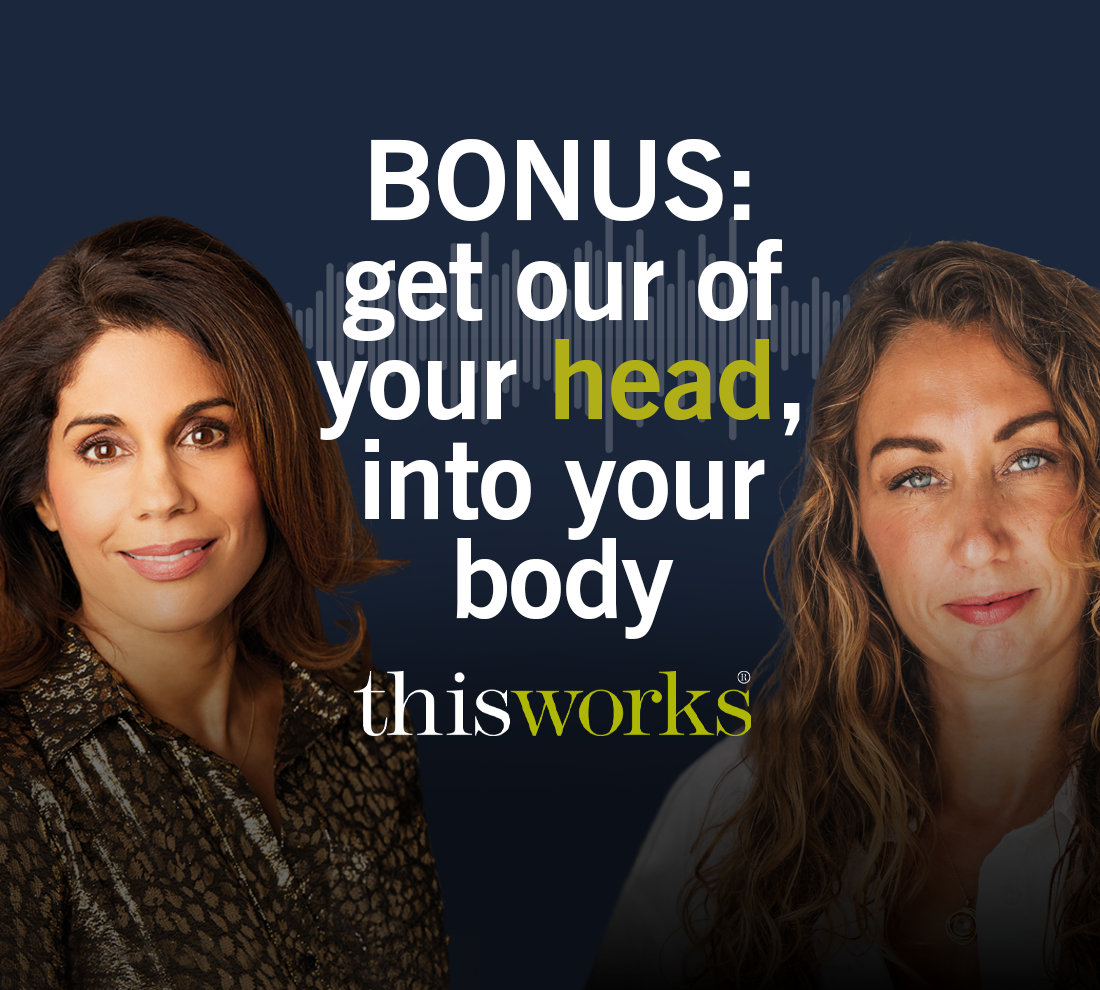 expertsgetting on your nerves? bonus episode: getting out of your head, into your bodyIn this Wellness Weekender special of getting on your nerves?, Dr Anna Persaud is joined by wellness expert and integrative therapist Esther Triviño to explore somatic yoga, interoception, nervous system regulation and how movement, breath, sound and sensory cues can...read post
 expertsgetting on your nerves? episode 4: wherever I lay my hatWhy can some people sleep anywhere, while others struggle as soon as their surroundings change? Dr Anna Persaud and Professor Gaby Badre explore sleep adaptability, circadian rhythm, nervous system regulation and how to become a more resilient sleeper when conditions...read post
 expertsgetting on your nerves? episode 3: the power of nowIn episode 3 of getting on your nerves?, Dr Anna Persaud is joined by psychotherapist and trauma expert Lauren Baird to explore why being present can feel so difficult. From negativity bias, fight or flight and the window of tolerance...read post
 expertsgetting on your nerves? episode 2: the upper body editIn episode 2 of getting on your nerves?, Dr Anna Persaud is joined by Dr Lana Gault and This Works ambassador Mithra Nandu to explore how stress and nervous system dysregulation show up in the upper body. From jaw tension,...read post
 expertsgetting on your nerves? episode 1: signs you are stressedIn episode 1 of getting on your nerves?, Dr Anna Persaud is joined by medical doctor Dr Lana Gault to explore how stress first shows up in the body and mind. From burnout, fatigue and disrupted sleep to fight or...read post
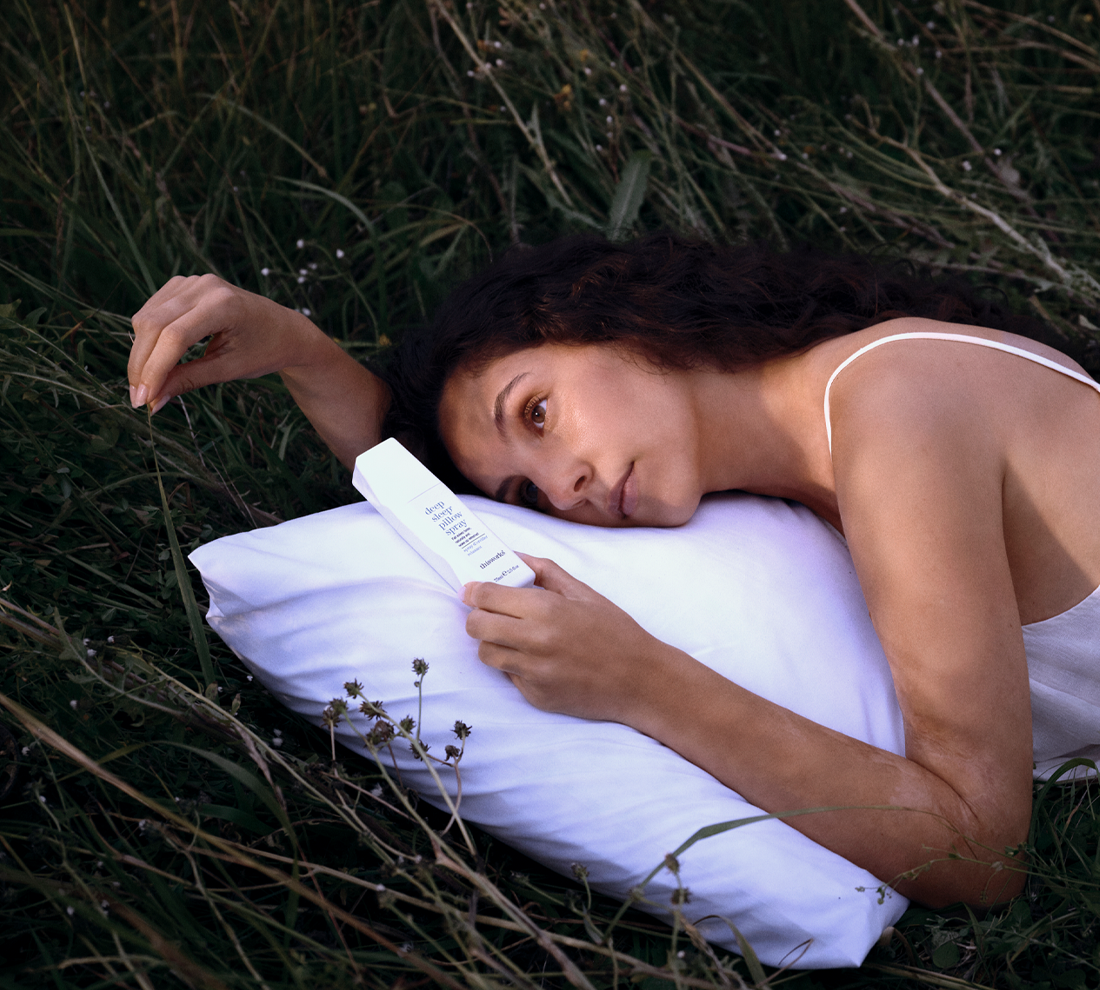 sleep hygienecan you train your brain for bedtime?Can a familiar scent become a signal that it is time to sleep? Professor Gaby Badre explores the connection between scent, the brain and nervous system — and how repeated sensory cues may help support the transition from daytime alertness...read post
 sleep hygienewhen the brain won’t switch off: understanding chronic insomniaWhy can sleep remain difficult long after the original trigger has passed? Professor Gaby Badre explores the science of chronic insomnia, the hyperarousal that can keep the brain alert at night, and how the brain can be retrained for sleep.read post
