getting on your nerves? episode 1: signs you are stressed
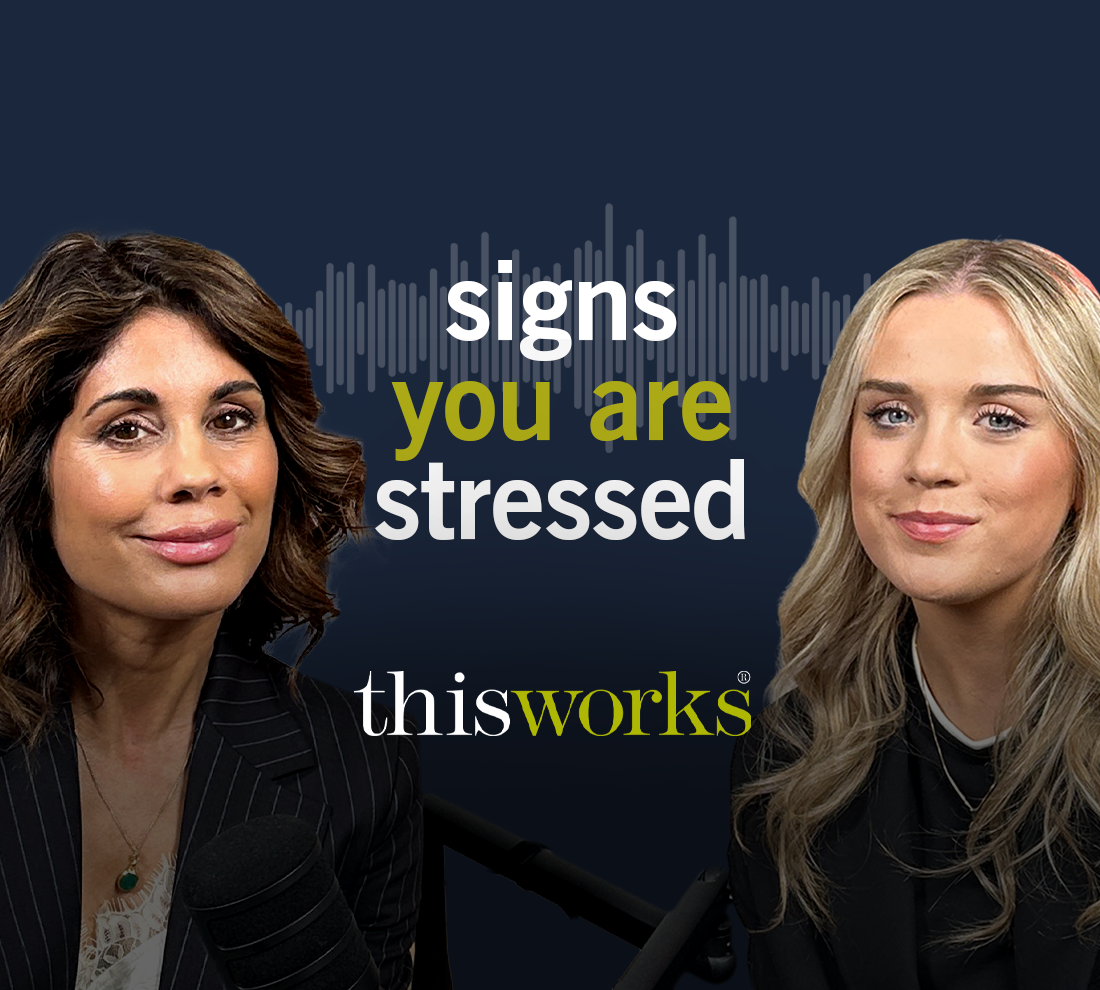
In episode 1 of getting on your nerves?, Dr Anna Persaud is joined by medical doctor Dr Lana Gault to explore how stress first shows up in the body and mind. From burnout, fatigue and disrupted sleep to fight or flight, grounding techniques, the vagus nerve, neuroplasticity and stress-related changes in the skin and gut, they discuss the signs that your nervous system may be under strain – and the everyday tools that can help build greater resilience.

part 1: recognising the signs of stress and burnout
Anna: Everyday stress management seems to be something we are all chasing.
At This Works, our purpose is to help people manage their nervous system so that they can be better able to manage stress on a daily basis.
My name is Dr Anna Persaud. I am the CEO of This Works, and today I’m joined by Dr Lana Gault, who is a medical doctor and also a practitioner in wellbeing and aesthetic medicine.
Lana and I are going to talk about how stress is first picked up in the body.
How does it manifest?
What can we look for?
What are the signs?
And then, what can we do about it?
We’re going to cover burnout, which is very much linked to occupational stress, but also what a dysregulated nervous system looks like.
Importantly, what can we do about it?
What tools can we use on a daily basis to give us empowerment and make us better able to manage our stress and live a fuller, better life?
I’m here today with Dr Lana Gault. We met a few months ago when we were attending a meeting talking about women in business.
You are a very entrepreneurial woman and you’ve got a medical background. You’re a trained doctor, but you’re also working in the wellness space.
That’s why we’re really delighted you’ve come to talk to us today for our stress edition.
Lana, tell me a little bit more about yourself.
Lana: I’m a medical doctor working in the UK.
I also have my own aesthetics business, so I’m combining aesthetics with clinical medicine.
I have a strong interest in holistic and wellbeing care, trying to combine traditional clinical medicine with the wider aspects of people’s health and looking at other ways that they can complement clinical medicine.
That’s why, when I met you, I was very interested in the brand and everything it stands for, particularly because there is a lot of science behind it.
It’s a very science-backed brand that can stand by what it claims.
Anna: I think this is the overlap that we have between your business and This Works.
We are a science-backed business and we pursue science behind all of the products and protocols.
But we work in a wellness space and we sit alongside traditional medical treatments.
I have huge respect for the medical profession, but I know through my own lived experience that it doesn’t always meet all our needs as individuals.
There are other ways that we can manage our wellbeing.
Am I right in saying this is where you also sit?
Lana: Exactly.
It’s about not looking for one solution to your problem, or many problems.
It’s about looking at other aspects of your life: your physical health, your mental health and the relationships in your life, and combining everything.
Whether that means your yoga class or going to speak to your doctor, it’s good to know that you have a strong baseline with your habits and even your wellness products so that you can handle everyday stress before it goes too far.
Anna: This is more and more what we hear.
The medical profession is powerful. It gives us diagnostics.
But as individuals, we also want to take some control back ourselves for our wellbeing.
We want to make choices that improve our wellbeing in the immediate term, but also in the long term as we think about longevity and wanting to be well for as long as possible, so that our health span is as long as it can be.
We’re really here because this is the stress edition from This Works.
As a business, we’re very invested in helping people understand how their body affects their mind.
Burnout is something we hear a lot about.
The word has been around for a long time. It’s not a new expression.
But from your medical world and your wellbeing expertise, how is burnout being referred to these days?
What are people seeing?
How do they first report burnout?
What symptoms do they come in with?
what does burnout actually mean?
Lana: First, I think it’s good that the word burnout is being used.
But it is thrown around quite a lot, particularly on social media, so it’s good to get the definition right and understand what exactly it is.
It can present in many different ways.
The official definition relates it back to occupational stress.
People may think it’s just about relationship stress or everyday stress, but particularly it relates back to work-related stress.
Anna: Interesting.
Lana: That’s something not everyone understands, which is why the word can sometimes be used inappropriately.
It is characterised by persistent fatigue.
You can also lose that feedback mechanism of when things are going well, so you can feel like your performance is inhibited.
There are many aspects of burnout, but it’s important to understand that it typically relates to work-related stress.
That could be paid work or volunteering work, but it is particularly to do with work.
Anna: So if you were a young mother at home with your child, would you be able to say you had burnout?
Lana: Absolutely.
That’s a type of work.
It’s not paid, but as many full-time mums know, that’s a full-time job in itself.
So yes, it can relate to many aspects.
But it’s also important to realise that although it relates to work, it can bleed into other aspects of your life.
Anna: Yes.
Lana: It might reduce your resilience and your ability to handle a friendship problem or a problem with your children.
Everything builds on everything else.
So even if work is causing the majority of your stress, it’s important to realise that this can have an effect on other aspects of your life as well.
when everyday stress becomes chronic
Anna: Can we also talk about the nervous system coming under strain when it isn’t necessarily linked to work, but to other factors?
So we can educate ourselves and our audience about that.
Lana: We’ve talked a little about burnout, but there is an overlap between burnout, regular stress and everyday stress.
It’s important to know that stress is physiological and it is needed.
For example, when you wake up in the morning, you need to have an increase in the stress hormone known as cortisol.
That gets you up and going during the day.
When you’re sick, your stress levels increase to try and combat the infection that you have.
So there is a physiological, useful aspect of being stressed.
Anna: Mm.
Lana: However, it’s when stress becomes chronic and is there for an abnormal length of time that we start to see physiological changes in your ability to deal with other stressors.
You may find that your heart rate starts to go up randomly.
You may become more anxious.
There are lots of other symptoms that can show when someone is chronically stressed.
It’s important to know that there are early signs.
If we can identify the early signs, that can help prevent longer-term effects.
what are the early signs that you are stressed?
Anna: Let’s stay on that.
What are the early signs?
In your medical experience, what do people most commonly disclose to you in conversation?
Lana: Persistent fatigue is probably something that is quite common in someone who is stressed.
Maybe their sleep is disturbed, which is obviously relevant for This Works.
Another sign can simply be that they don’t feel right.
They can’t put their finger on it.
They may have a reduced ability to handle everyday situations.
They feel more irritable and they just can’t cope as well as they could a few months before or a year before.
But it is gradual.
There is a spectrum of stress.
Those are some of the things we look for at the early stages, but then it can progress into later signs and potentially more serious symptoms of stress.
Anna: What would they look like?
Lana: Stress can dampen your immune system.
That means you might be getting regular colds and flus.
You just can’t fight off your regular cold in the same way.
There can be irritability, as well as an inability to enjoy what you would typically enjoy.
For example, maybe you like to go and play tennis, but you’re not really getting the same dopamine hit anymore.
In medicine, we call this anhedonia.
It means that your ability to enjoy the everyday activities that would previously have made you feel happy and given you a buzz starts to reduce.
You’re not getting that same spike of dopamine and you can become more blunted.
why stress feels different for everyone
Anna: It’s really interesting.
Am I right that one person’s stress could be another person’s excitement?
Stress is very personal.
Your ability to tolerate different situations is dependent on your upbringing, your previous experiences and whether you feel sufficiently resourced to handle that experience.
Tell us a bit more about that because I think it’s fascinating.
Lana: Definitely.
This is something I’m really interested in.
I think your upbringing and childhood experiences can really affect how you deal with life as an adult.
If you had trauma during childhood, for example, you might find in adulthood that you aren’t able to build relationships as easily because there was a problem with the relationship with a parent when you were younger.
Or if you grew up in a very high-stress environment, when you grow into adulthood you may become hypervigilant.
You’re always on the defence.
You’re always looking out for something to go wrong.
That can have an effect on so many aspects of your life, whether that’s work or relationships.
It’s important to establish and look back at some of these experiences and identify them, so that you can have an outsider’s perspective and notice these patterns before they actually become a problem.
Anna: So there’s the idea of psychological awareness of the things that stimulate feelings of stress, coupled with nervous system sensitivities to stimuli you may have been exposed to when you were younger.
That can create a bias in the way that your nervous system interprets your environment.
We’ve been discussing this a lot in our business around nervous system care: how the way an individual interprets their environment can be influenced by the nervous system’s learning throughout childhood, early development and beyond.
part 2: what a dysregulated nervous system can feel like
acute stress versus chronic stress
Anna: Talk to us a little more about what a dysregulated nervous system means, whether that’s acute or chronic.
Lana: A dysregulated nervous system can show up in many ways.
Typically, if you’re feeling stressed, your heart rate might go up.
You may feel palpitations in your chest.
Your blood pressure can also go up.
You may not necessarily get symptoms from all of those things.
But chronically, over time, if you have persistently high blood pressure and a high heart rate, it can increase your cardiovascular risk.
Stress isn’t something we should take lightly.
It can have a significant long-term effect on your health.
We want to live as well as we can for as long as we can.
It’s about preventing these things from becoming a chronic issue.
Identifying them when they’re acute and trying to stop them becoming a chronic problem that may eventually affect things such as your memory, cognition or cardiovascular health.
fight or flight versus rest and digest
Anna: My understanding of the nervous system is that, as you said at the beginning, we need stress.
We need that fight-or-flight response.
It gives us motivation.
It gives us focus.
It gives us the ability to think quickly, adapt and pivot.
But we also need the rest-and-digest system for other processes.
Resting, obviously.
Sleeping.
Digesting.
Intimacy and sexual reproduction.
Humans evolved to be able to adapt to their environment and the autonomic nervous system responds accordingly.
My understanding – and please correct me if I’m wrong – is that the system has a strong bias towards detecting threat as a way of protecting our survival.
It is natural that under stress we become more vigilant.
When threatened, whether by illness or by a stressful environment, you’re going to be in that more activated state.
You might feel a sense of agitation.
You may feel on edge.
That is there to protect us.
But we also want to be able to respond to stress in the moment and then return to a more comfortable baseline.
I think more and more people find themselves stuck in that fight-or-flight state and are less able to return to baseline when they choose.
Is that what you see?
Lana: Yes.
When you are in fight or flight, everything feels heightened.
You’re ready to go.
You’re ready to have a fight.
That was useful many years ago when we were running away from a tiger.
It was a survival mechanism.
However, it can be inappropriate in certain situations, particularly in the modern world where we don’t always need to be in fight-or-flight mode.
We need to support the parasympathetic nervous system, which is the rest-and-digest side.
There is a nerve called the vagus nerve, and there are ways that we can support vagal activity and parasympathetic regulation.
Like you said, it’s about balance.
As a society, perhaps we don’t always have that balance right.
We need to put effort and time into supporting the parasympathetic nervous system.
creating habits that help you regulate
Anna: I agree.
I read The Polyvagal Theory by Stephen Porges, which I found fascinating.
I think you make an excellent point that we as individuals can influence our experience.
We shouldn’t necessarily be passive.
Technology and the way information is sent to us through our gadgets and our phones – often unsolicited – can keep us feeling activated whether we want it to or not, because of how that information is served up.
If we want to create better balance in our nervous system, what are some of the best ways of doing that?
Lana: There are obviously a number of ways and every person is going to be different.
I’ve done a lot of self-work and self-development myself.
So I’m speaking from a personal perspective as well as a medical standpoint, having met patients in many settings, including when I worked in an addiction centre.
What really stood out to me was the importance of regular habits.
Habit stacking and regular practices can enable you to better handle stressful situations.
Personally, I’ve found journalling really helpful.
Things like yoga and meditation too.
In the addiction setting, watching patients do regular meditation and yoga sessions, removing the stimulus of
Instagram, TikTok and social media, and bringing the focus back towards themselves was really interesting.
There’s also childhood work.
There are so many options available now.
It’s important to find what sticks with you.
I could say, “Yes, go and book into a yoga class.”
But if you aren’t going to stick to that, it isn’t going to work.
Some people benefit from speaking to others.
Some people benefit from sitting alone with a candle lit and doing some journalling.
It’s about what is going to stick rather than saying, “These are the five things that everyone should do.”
why consistency matters
Anna: That’s an excellent point.
We see that too in the literature and the work we’ve done.
It’s the consistency of the habit that builds the association between a stimulus and how you respond.
For instance, for me it might be a breathing technique.
I might use a longer exhale to encourage that parasympathetic response.
In a stressful situation, I can immediately bring that breathwork into play.
My body knows what is happening.
My heart rate slows.
I don’t get the same panicky feeling.
It becomes, “That’s okay. You can cope in this stressful situation.”
I’ve separated, if you like, the automatic response of my nervous system from the stimulus.
I think that only comes with practice.
It only comes with self-awareness.
What works for me won’t necessarily work for you.
But there are some scientifically grounded methods that can help slow the heart rate.
Lana: Yes.
Breathwork in particular.
Box breathing can be very helpful.
But like you said, in that acute situation it’s important that you already have things to look back on and think, “Okay, I know breathwork is going to help.”
You might use your breathing, or grounding techniques.
Years ago, I found grounding techniques really helpful.
For example, choosing something you can smell, something you can hear, something you can see and something you can feel.
That was really helpful to me.
In that moment, it gave me something that I could go back to.
using your senses to ground yourself
Anna: I’ve heard the same, and I use that same technique to orientate yourself to the immediacy of where you are.
If you pay attention to something you can see in the room, something you can hear, something you can smell and something you can feel, the brain occupies itself with those senses.
It takes the focus away from that fear circuitry of prediction, catastrophising or worst-case-scenario thinking, which for some people can become the default whenever there is some kind of potential risk or threat.
That practice of learning how to ground yourself in the present moment is very powerful.
It’s free.
It can be done very quietly.
You don’t need a therapist in the room.
I’ve found that very effective.
Lana: Yes.
It’s also important to recognise that you can do all this work in your own time and it can be very difficult to measure as an individual, but it is cumulative.
It all adds up.
After a month, you might not notice that you’re able to ground yourself in every stressful situation.
But six months down the line, after regularly practising breathwork or other techniques, the things that would previously have stressed you might not stress you as much anymore.
Or the length of time that you remain stressed may reduce.
Women are also more likely to be affected by burnout than men.
So it’s really important that we build these daily habits so that we can deal with high-pressure situations.
Individuals in high-pressure jobs are also at increased risk of burnout.
Taking it back to burnout, it’s important to understand our vulnerabilities and work to build the strength to cope with them.
part 3: building resilience and changing how we respond to stress
understanding your vulnerabilities
Anna: I think that’s an excellent point: understand your vulnerabilities.
For me personally, we were talking earlier about how I have an element of neurodiversity.
I find certain things difficult.
Transitions are hard for me.
Getting places on time – my team will tell you I’m always late.
I can’t park.
I don’t know how to park!
I can do lots of things, but there are certain things I find more difficult.
Knowing I have these vulnerabilities, and other people knowing, means I try to plan around them.
When I know there are a lot of stressful situations coming, I try to make my life easier because I know my weaknesses, if you like.
We can’t all be excellent and perfect at everything.
Wherever we are in our lives, that’s okay.
We have to plan for that.
Lana: Even taking it back to a medical perspective, prevention to me is better than cure.
Anna: Always.
Lana: We want to live better for longer.
It’s about preparing.
Take today as an example.
Preparing to come to this podcast, I wanted to have my outfit sorted and everything organised.
Then I felt more relaxed coming into it.
If you know you have a stressful day coming up, what can you take control of?
That is going to be beneficial for you in the long term.
control, agency and the window of tolerance
Anna: Control is one of my favourite words!
Having a sense of agency in a situation and feeling that you are resourced reduces your stress.
But for all of us, there will always be things that are out of our control.
We also have to accept that.
There’s the psychological concept of the window of tolerance, within which you’re operating in an effective, adaptive way.
You can be stressed, but you’re dealing with that stress.
Stress is part of life.
It’s part of being human.
So we accept stress, but we’re still regulated.
We’re responding appropriately.
We’re not feeling a huge sense of discomfort.
We work with clinical psychologist Lauren Baird and we’ve done lots of talks with Lauren on this idea of the window of tolerance.
Creating habits like the sensory grounding techniques we talked about earlier can help us widen that window of tolerance.
That means we are better able to manage the stressors that are inevitable and which we cannot control.
Everyone’s tolerance is different.
Everybody has a different starting point.
Mine was quite narrow.
I’ve had to work hard at broadening my window of tolerance, and I’ll continue to have to work hard at it.
We’ve been talking about burnout and stress, but what about broadening that tolerance through gradual experience and learning?
What are your thoughts on that?
Lana: When you were saying that, I was thinking about control too.
We can feel like everything is on our shoulders.
We have to manage every single stressful situation that comes into our life.
And if you don’t feel in control of that, it can be really detrimental.
Personally, I also love a bit of control – probably too much.
As a doctor, when things are out of my control, it can get stressful.
But I think what’s really beneficial is looking around you.
How can you build support and outsource the areas that you aren’t good at?
When you have a stressful situation, perhaps you can pick up the phone and call your sister, another family member, your boyfriend or your husband and say, “Look, I’m struggling a bit today. Could you help me?”
Or just bounce ideas off somebody.
It isn’t always on you.
It’s important to look outside yourself.
You don’t have to control everything, and everything won’t be in your control.
Identify what you’re good at as well as working on the things you’re not good at.
Maybe it’s timekeeping.
Maybe you need to spend more time supporting your nervous system.
Do what you can, but don’t feel the weight of the world on your shoulders, because then you’re just going to fall.
learning to live with uncertainty
Anna: I agree.
I’ve learnt in my career, because I’m literally not good at everything at all, that I need people who I can call on and who work alongside me and complement me.
That’s really important in careers because otherwise everything can feel incredibly overwhelming.
But outside of the workplace, you can face things where there genuinely isn’t somebody you can call who can solve it for you.
That brings us to this concept of radical acceptance: being able to process stressful things even when you don’t know where they’re going to end.
Humans don’t like ambiguity.
We don’t like not knowing.
Learning how to sit with ambiguity, or with not knowing what the conclusion will be, is something we have to be able to live with.
Humans always have.
But I think technology has given us so many tools and so much of a feeling of being in control when we’re actually not.
When we face things we genuinely can’t control, we can then find that very distressing.
I think a lot of the existential stress that people feel is because they cannot control the world.
Yet learning how to live in it has to be our focus, whatever is going on around us.
That’s where being aware of your nervous system’s response, and knowing how you can influence that response so you can still experience life in its fullness, comes in.
From my personal view, but also from where we sit as a brand, we work in the sleep space and talk to people a lot about the issues associated with sleep.
Sleep is complex.
It’s very emotional as a subject.
People who sleep poorly really struggle.
It affects their lives so badly.
We talk about creating rituals that allow you to take some ownership of your own nervous system and help yourself move towards rest, relaxation and eventually sleep, regardless of what else is going on.
can you reframe nerves as excitement?
Lana: I listen to Joe Dispenza, and he says, “Your thoughts create your reality.”
I think it’s important to have in your mind that if you are constantly thinking bad things, that can influence your experience.
It’s not always as simple as that, but I’ve found the idea really helpful when coping with stresses in my own life.
I also heard something the other day about how the body can experience nerves and excitement in very similar ways.
For example, if you’re nervous about something, you might tell yourself, “No, this is excitement.”
You can try to become excited by not being completely in control.
Maybe you have something in your head that you’re hoping will go really well, but it might actually turn out even better than you could have imagined.
Anna: I think that’s so true.
I can think of examples in my life.
I did a live BBC TV news show and I was very nervous.
I had to step in front of the camera and I thought: I have to make a choice here.
I’m either going to embrace this and think, “This is amazing. I love it.”
Or I’m absolutely going to throw up.
I had to do the former.
I just walked on and it was fine.
But I remember that mental switch from “this is really terrifying” to “this is really exciting”.
stress, performance and feeling resourced
Anna: I also read a really interesting analysis about athletes on the starting line of a race or facing competitive threat.
Their performance within the race or on the pitch can be linked to whether they perceive themselves as being sufficiently resourced – their sense of self-efficacy.
If they feel threatened because they don’t think they’re fast enough or good enough, they haven’t done enough training, their coach is going to shout at them or they’re going to let their parents down, their performance may be different from somebody standing there thinking, “I’ve got this.”
One person is thinking, “This is an exciting competition.”
The other is thinking, “I’m under threat.”
I find the psychological coaching in a sporting environment, but also in life, fascinating.
neuroplasticity and creating new associations
Lana: It’s also really exciting that you can change your brain.
That is neuroplasticity: the ability to make new connections.
Maybe the first time you go into an interview, you’re nervous.
You’re trying to tell yourself, “Be excited. Be excited.”
That’s very difficult on the day when you’re experiencing it for the first time.
But ten interviews down the line, if you’ve told yourself each time, “This is really exciting”, then you can become more excited for it.
Maybe you then perform better in that interview.
It’s about repeated stimulus and creating those connections in your brain.
Anna: I think what you’ve said is so powerful.
I have a young child.
When he has an exam, he automatically associates the exam with worrying that he isn’t going to perform.
We’ve tried to change that.
You do an exam and this is simply about the outcome of that particular day.
It doesn’t inform your entire future.
We’re trying to take the weight out of every exam.
Building positive associations with a potentially threatening stimulus is, if I understand you correctly, how those pathways become connected.
It’s very easy for a brain to link a threat to a situation because we’re primed to detect threat.
Lana: Particularly going back to what we were saying earlier about childhood.
Your brain hasn’t been tricked exactly, but it has learnt to act in a certain way in certain situations.
But we have the ability to change that.
That is so exciting.
Whether that is through smell, touch or something else, you can create new neuronal connections and have a different experience.
Anna: That’s beautiful.
It’s exactly what we’ve been saying in our Body to Mind body care campaign.
The idea is that by using body care alongside intentional techniques of touch and smell, we can influence how the mind feels and how we think.
If we keep these practices going, even if we have struggled before, and even as we get older, we can still create new associations and new pathways in our brains.
That gives everyone hope.
Lana: It’s also something you can share with family and friends.
Maybe you buy a relative a new candle with a particular smell and create a ritual of doing some journalling together once a week.
You can build resilience together.
It doesn’t always have to be alone.
Having people around you who support you can be really beneficial.
You want to build a network around you that can support you.
part 4: when stress shows up in the skin, gut and body
how stress can affect the skin
Anna: You work in aesthetic medicine, which is definitely something our consumers are interested in.
How does stress show itself in the skin?
People didn’t always realise that there was a pathway between stress and skin.
What do we need to know?
Lana: I think it’s important to know that the body isn’t a collection of completely separate things.
The skin, the gut and the brain are all connected.
When we’re stressed, that can increase inflammatory processes within the body.
Inflammation is related to many things in the body, whether that’s the gut or aches and pains in your joints.
Relating it back to the skin, we can find that the skin barrier is disrupted.
Anna: Oh.
Lana: As a result, you may get breakouts.
As we age, we also naturally lose collagen.
Inflammation can increase the breakdown of structures such as collagen, which is important for the appearance and function of the skin.
Collagen helps the skin look healthy and refreshed.
When we start to break down collagen, the skin can look more tired and aged, and it might not look as hydrated.
When we’re in a state of chronic stress and inflammation, you may therefore see changes in the appearance of the skin.
Anna: Yes.
Lana: Your skin may break out.
We can see hormonal changes that may increase the likelihood of things such as acne.
So it’s important to understand that stress doesn’t just affect your heart, mood or brain.
It can be seen physically in the skin.
Even a short-term stressor could be having a really heavy weekend.
Your skin breaks out because your food has been different, your diet has been off and maybe you’ve drunk too much.
All of those things add up.
But chronic stress is particularly important.
If the skin isn’t able to renew as effectively, these things can contribute to the appearance of dull, tired-looking skin.
unexplained aches, pains and the gut-brain connection
Anna: We also talked about another sign of stress that people can experience.
I’ve definitely suffered from this, and I think you said the same: aches and pains.
Random pains in the body.
I went and had all kinds of investigations, but they didn’t find anything.
Eventually, it was put down to stress.
Lana: I had a similar experience.
I had lots of testing, investigations and lab work, and nothing was adding up.
There was no clear through-line between everything.
Doctors were saying, “It could be this. It could be that.”
It was very frustrating.
And actually, that adds to the stress as well.
Anna: Yes. That creates another stressor.
Health anxiety.
Lana: Exactly.
Ironically, as a doctor, you would think I’d have it all in my head and I would identify it.
But when you’re in it, you don’t necessarily see it.
After I had ticked all the boxes of, “It isn’t that. It isn’t that. It isn’t that,” and the more I read about things such as the gut-brain axis, I realised that perhaps this was stress and anxiety.
I would get severe stomach cramps.
I ended up in the emergency department many times with those kinds of pains, thinking it was something really serious.
Anna: Wow.
Lana: Stress is really serious.
Anxiety and mental health are really serious.
But in my case, it was coming out in a physical way.
It’s important to look around and sometimes ask other people, “Do you think I seem more stressed than usual?”
Sometimes another person can be a better indicator because it’s very difficult when it’s yourself.
But it’s also important to know that once you identify what is happening, you can start to work on it.
That isn’t to say it will never happen again.
I’ve had times even within the past year where my stomach has played up.
But now I can identify that it has happened after a stressful week.
There can be a sense of relief in being able to recognise that connection.
 expertsgetting on your nerves? episode 1: signs you are stressedIn episode 1 of getting on your nerves?, Dr Anna Persaud is joined by medical doctor Dr Lana Gault to explore how stress first shows up in the body and mind. From burnout, fatigue and disrupted sleep to fight or...read post
 sleep hygienecan you train your brain for bedtime?Can a familiar scent become a signal that it is time to sleep? Professor Gaby Badre explores the connection between scent, the brain and nervous system — and how repeated sensory cues may help support the transition from daytime alertness...read post
 sleep hygienewhen the brain won’t switch off: understanding chronic insomniaWhy can sleep remain difficult long after the original trigger has passed? Professor Gaby Badre explores the science of chronic insomnia, the hyperarousal that can keep the brain alert at night, and how the brain can be retrained for sleep.read post
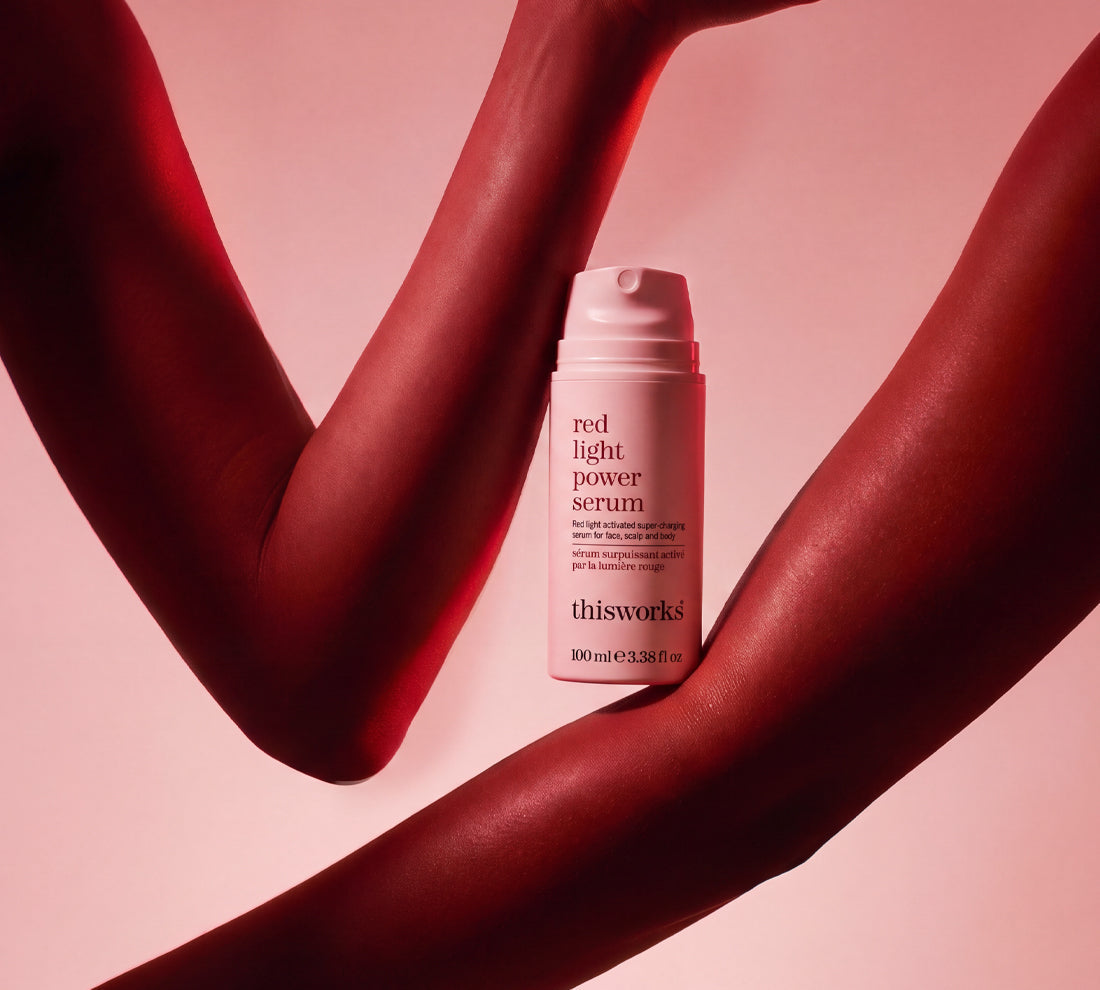 red lightRed Magazine features Dr Anna Persaud’s story: can we use our senses to make us feel safe?In Red, Dr Anna Persaud shares her personal experience of anxiety and how neuroscience, therapy and sensory rituals helped her understand her nervous system – and find new ways to switch off.read post
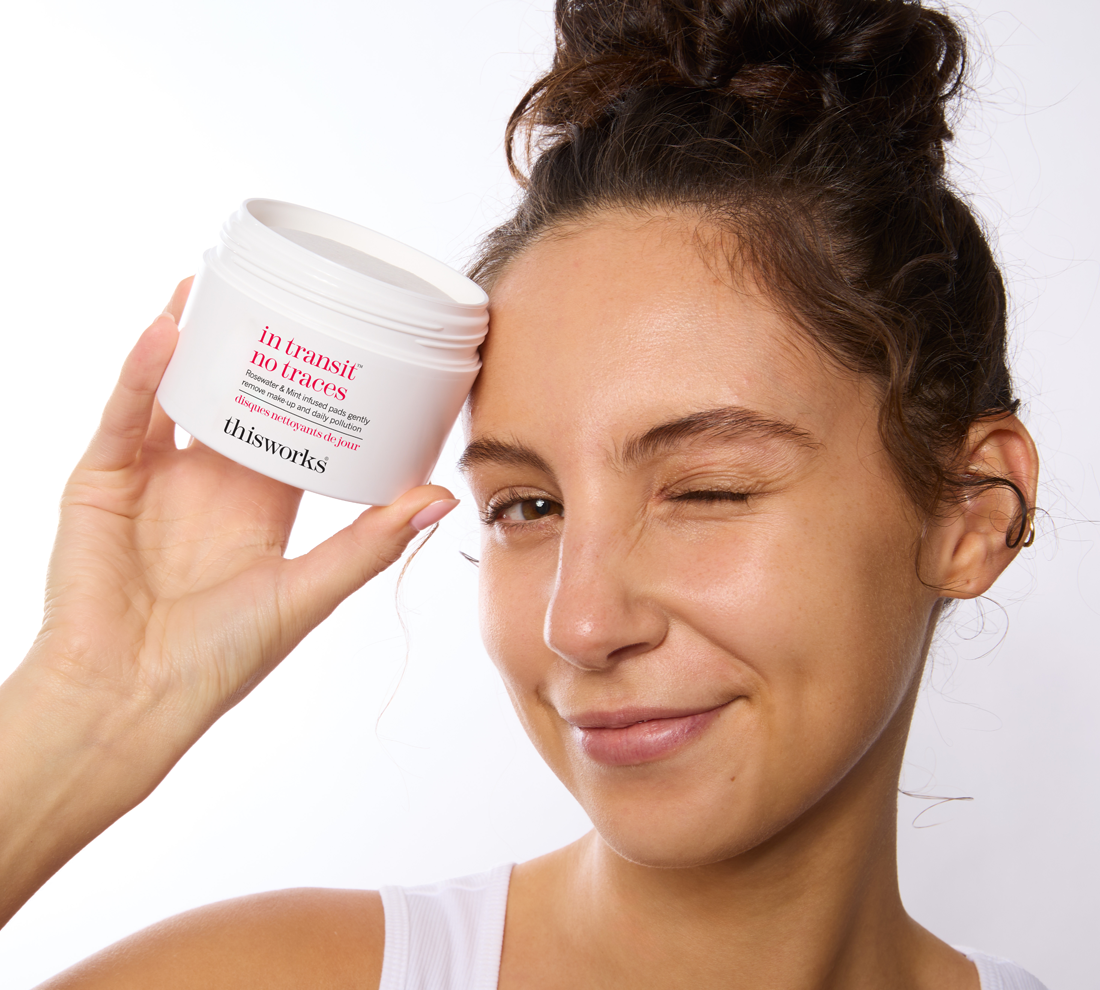 skincare concernsin transit no traces featured in British Vogue: the cleansing essential for hard waterOur in transit no traces cleansing pads have been featured in British Vogue as a Vogue-approved skincare solution for hard water, helping remove lingering residue without the need to rinse.read post
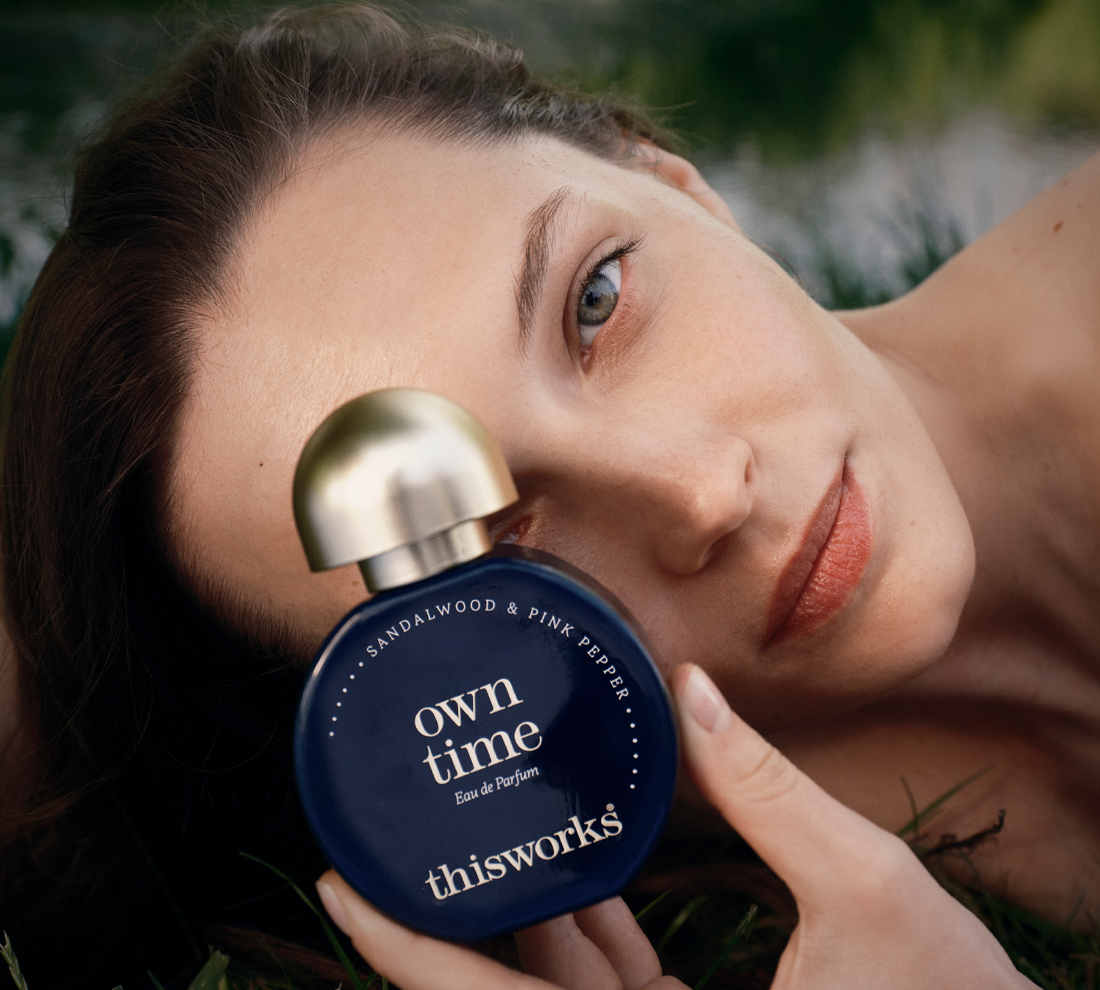 fragranceOwn Time Eau de Parfum featured in Refinery29: the connection between scent and wellbeingOwn Time Eau de Parfum features in a personal Refinery29 exploration of fragrance, self-care and endometriosis, with our CEO Dr Anna Persaud sharing the science behind scent, memory and emotion.read post
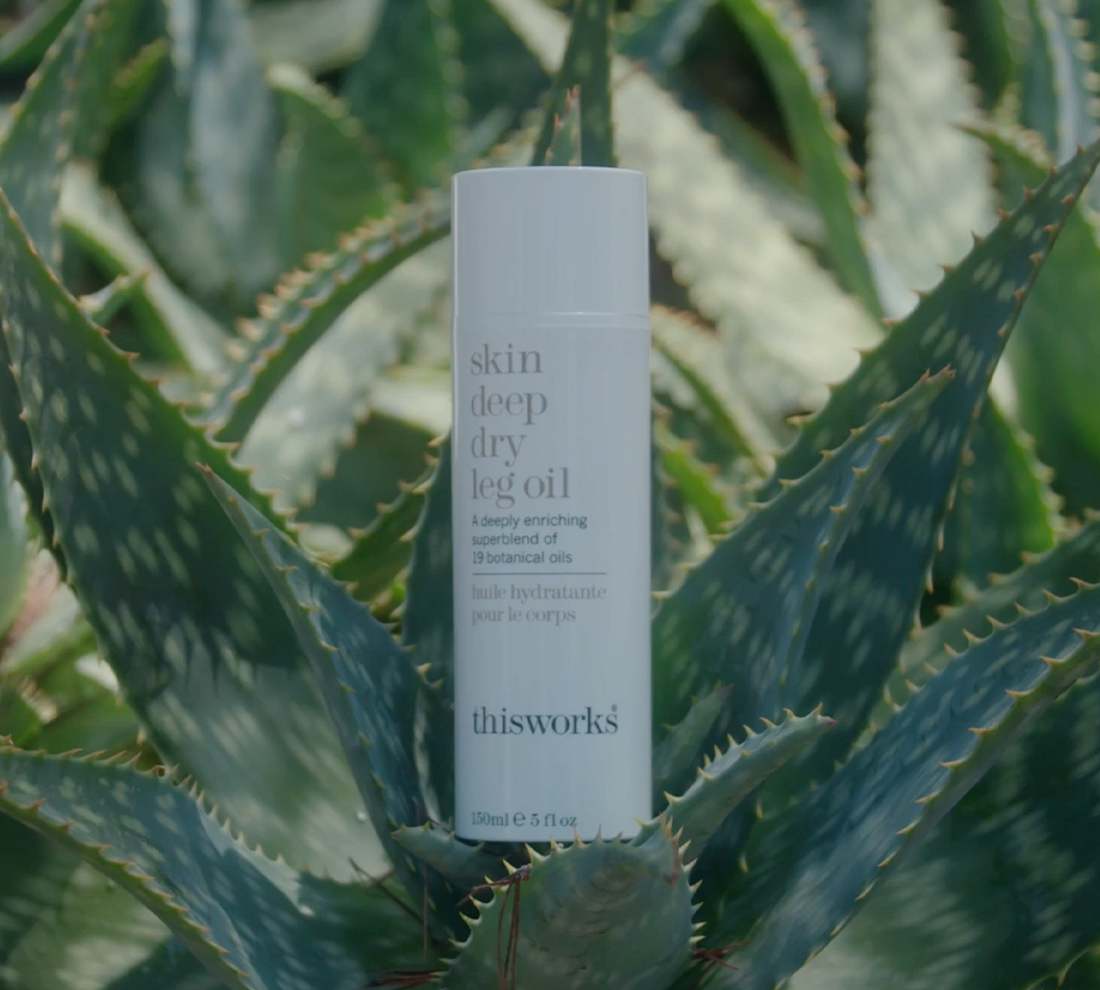 bodycare concernssummer skin recoverySummer may leave skin dry, dull and depleted, but recovery is about more than restoring your glow. Discover how intelligent skincare, technology and the power of touch can help replenish post-summer skin while reconnecting you with the body you live...read post
 sleep hygienethe science of switching off – a Doctor’s perspectiveDr Lana Gault explores the science behind switching off, from nervous system regulation and circadian rhythms to the simple, repeatable cues that can help prepare the body and brain for sleep.read post
