

can you train your brain for bedtime?
Can a familiar scent become a signal that it is time to sleep? Professor Gaby Badre explores the connection between scent, the brain and nervous system — and how repeated sensory cues may help support the transition from daytime alertness to rest.

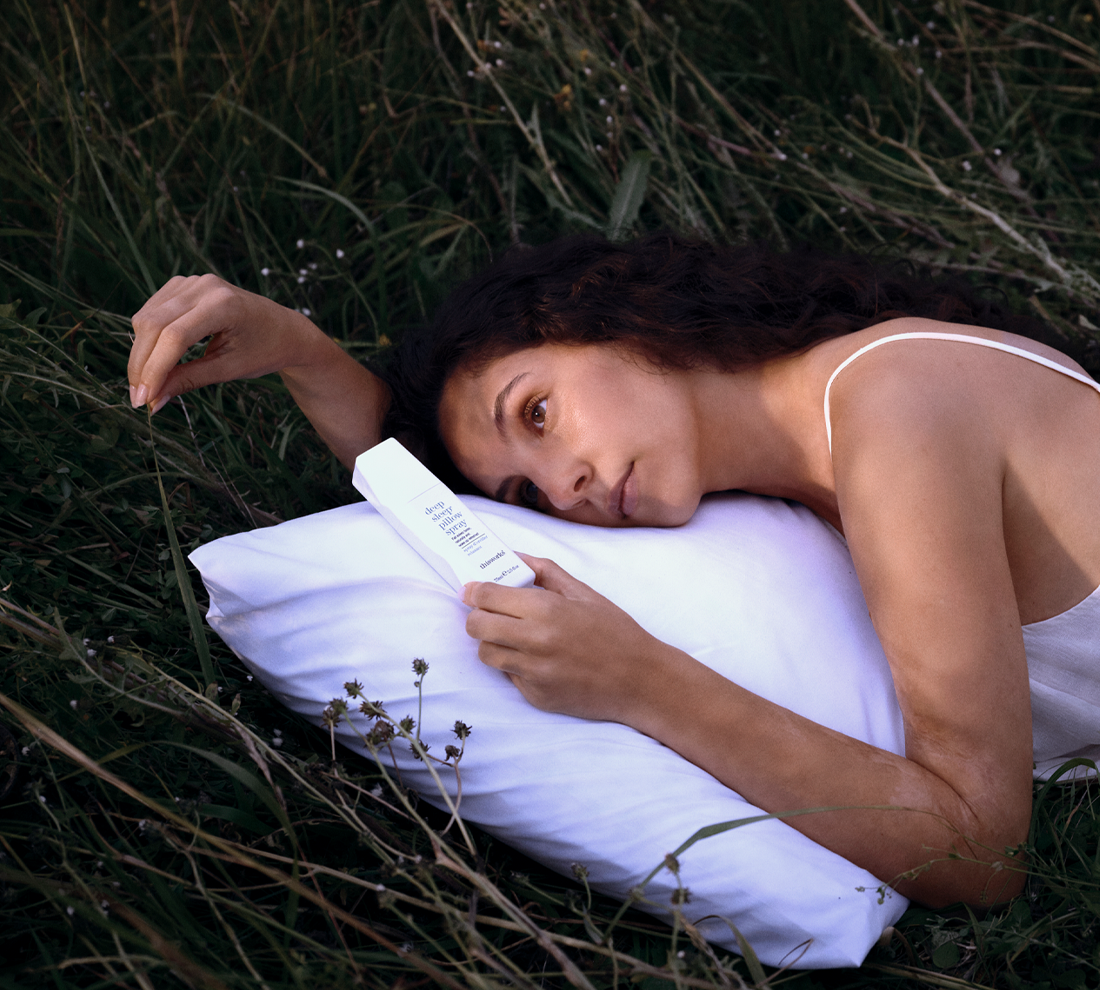
from alertness to rest
For sleep to come, the brain and body need to move away from daytime alertness and towards a lower-arousal state.
In chronic insomnia, this transition can become particularly difficult. The brain and body may remain too alert at a time when arousal should normally decrease, with cognitive activity, emotional arousal and autonomic activation all contributing.
Over time, learned associations can also play an important role. The bed may become paired with wakefulness, worry and frustration rather than rest.
But if the brain can learn associations that contribute to wakefulness, consistent cues may also have a role to play in supporting relaxation and the transition towards sleep.
One of those cues may be scent.
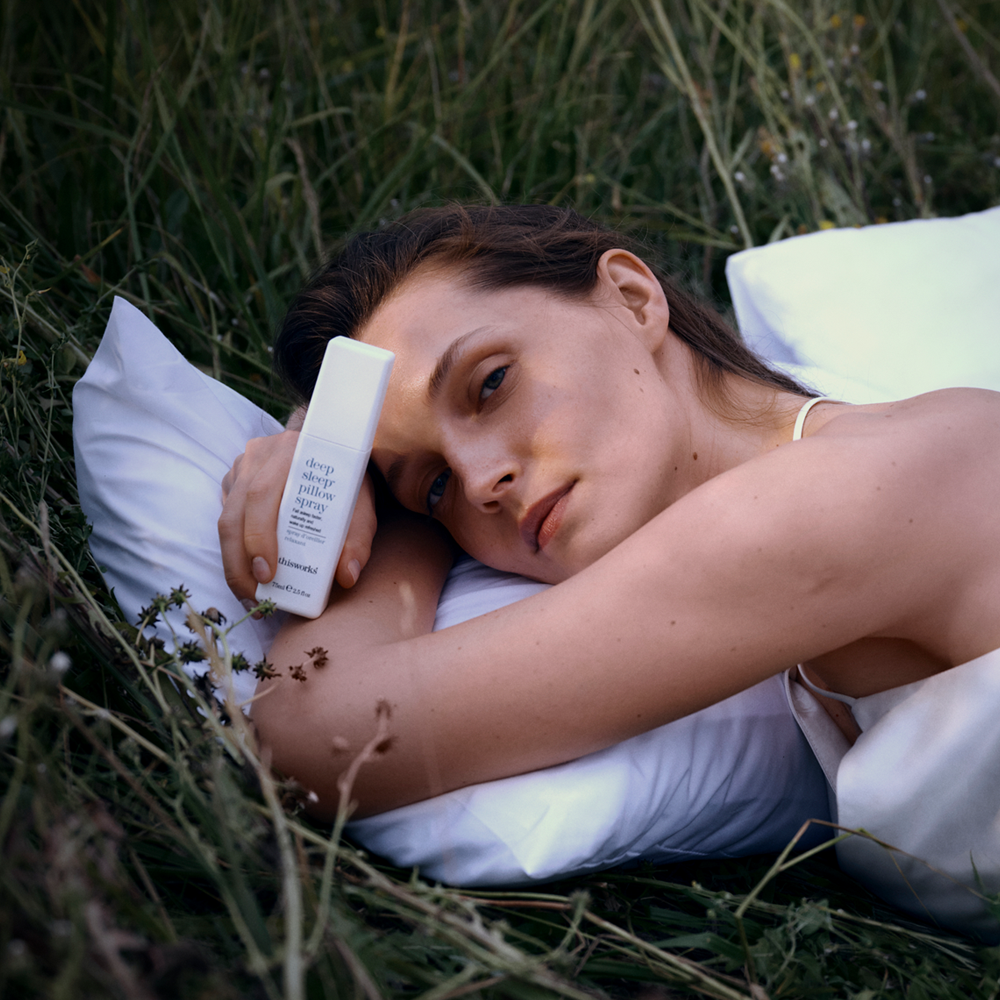
the role of scent in sleep
Aroma is a promising complementary tool to support healthy sleep.
While not a standalone treatment for chronic insomnia, the use of essential oils including lavender, bergamot and chamomile may serve as a supportive tool to reduce stress, promote relaxation and create a sleep-conducive environment.
They can be sprayed on the pillow, inhaled, diffused, applied topically or used in a bath.
The different compounds present in essential oils may act on several biological targets, potentially influencing some of the neuroendocrine, autonomic and immune mechanisms associated with insomnia.
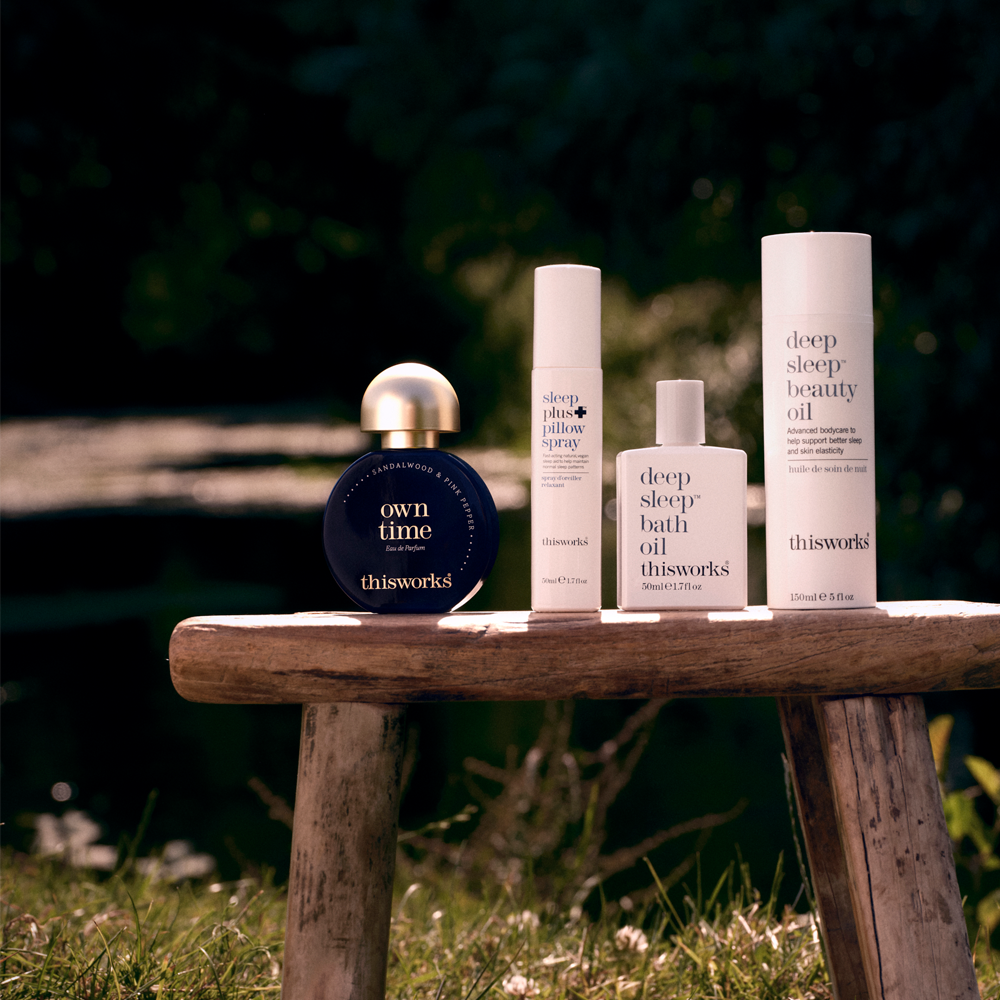
scent and the brain
Essential oils may exert their effects through two primary pathways.
The first is the olfactory pathway.
Inhaled aromatic compounds bind to olfactory receptors in the nose, transmitting signals through the olfactory bulb to brain regions closely connected with the limbic system — including the amygdala and hippocampus — as well as the hypothalamus, which is involved in autonomic, endocrine and sleep-wake regulation.
Unlike most sensory systems, olfactory information reaches primary olfactory cortical and limbic-related regions without an obligatory first relay through the thalamus.
This gives scent an unusually direct route to circuits involved in emotion, memory, arousal and autonomic regulation.
The main chemical constituents of essential oils may also influence central neurotransmitter systems and autonomic activity.
Lavender essential oil, the most extensively studied, contains linalool and linalyl acetate, which have reported sedative and anxiolytic properties.
Experimental studies suggest that these effects may involve GABAergic modulation as well as changes in autonomic activity.

what happens when scent meets skin?
The second potential pathway is transdermal absorption.
When applied to the skin — during massage, for example — some constituents of essential oils can be absorbed through the skin and potentially exert physiological effects.
Changes in physiological markers, including cortisol and serotonin, have been reported in some studies.
However, whether these effects result specifically from transdermal absorption, and the extent to which such absorption contributes to the sleep-related effects of aroma, remains uncertain.
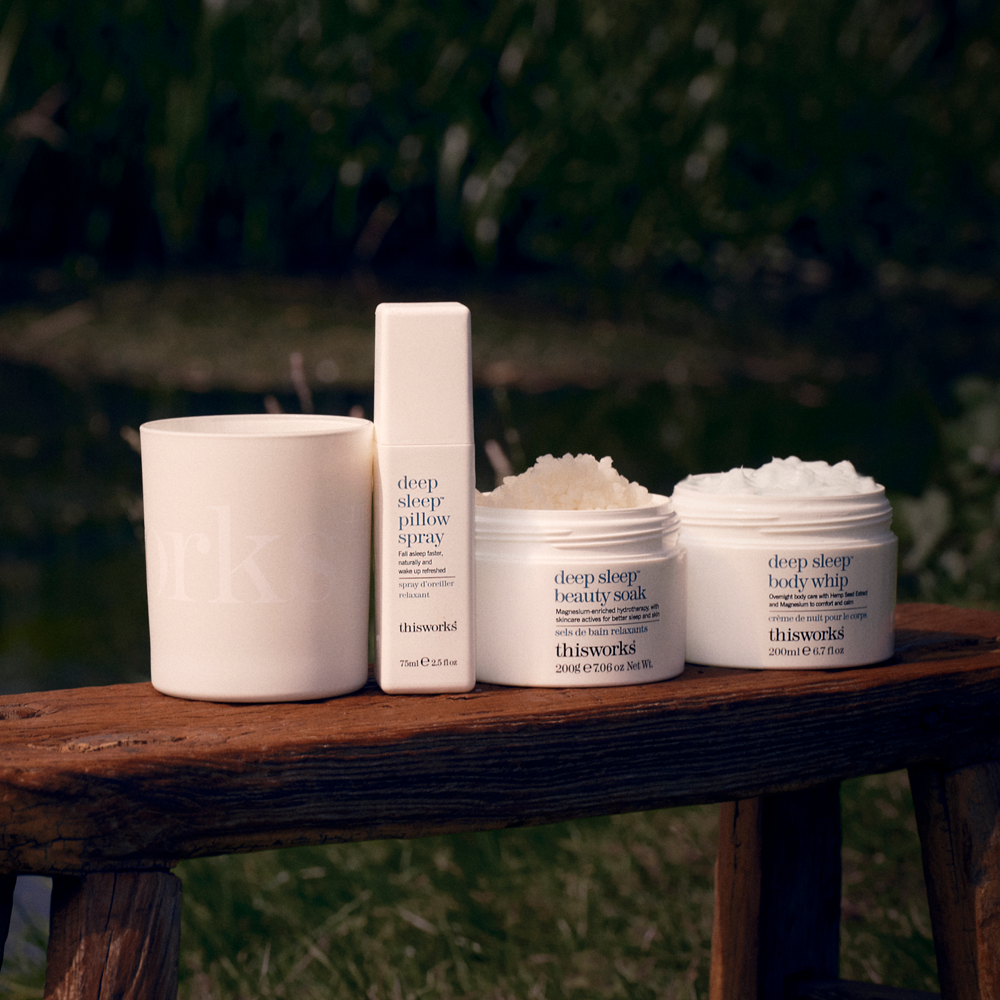
what does the research tell us?
Several randomised controlled trials and systematic reviews have investigated the efficacy of aroma in improving sleep.
Lavender has been reported to improve sleep quality compared with controls, with a reduction in anxiety and a mild increase in slow-wave — deep — sleep in some studies.
Ylang-Ylang may reduce stress and improve mood, indirectly supporting sleep.
Bergamot has been reported to reduce anxiety and improve sleep in palliative care patients.
Sandalwood may promote relaxation, with some evidence of effects on the physiological stress response, including reduced cortisol levels in some studies.
Chamomile has shown mild sedative effects and improved sleep quality in some studies, including in older adults.
Objective measures such as heart rate variability — HRV — monitoring during and after a controlled stressor may provide a useful way of assessing whether a given aroma protocol is associated with a shift towards increased cardiac vagal modulation and autonomic recovery, rather than simply producing a subjectively pleasant or relaxing experience.
where are the limitations?
Aroma does not necessarily address the root causes of chronic insomnia.
Responses can vary widely, and what works for one person may not work for another. The quality and composition of the essential oils or mixtures also matter.
Essential oils should be used with caution in children and pregnant or breastfeeding women, and should preferably be avoided in people with allergies or asthma, as some oils — including eucalyptus and peppermint — may trigger respiratory symptoms in sensitive individuals.
If used topically, oils should be properly diluted to avoid skin irritation or sensitisation.
Certain oils, including lavender and chamomile, may enhance the effects of sedatives such as benzodiazepines, although the evidence is limited.
making scent part of a sleep routine
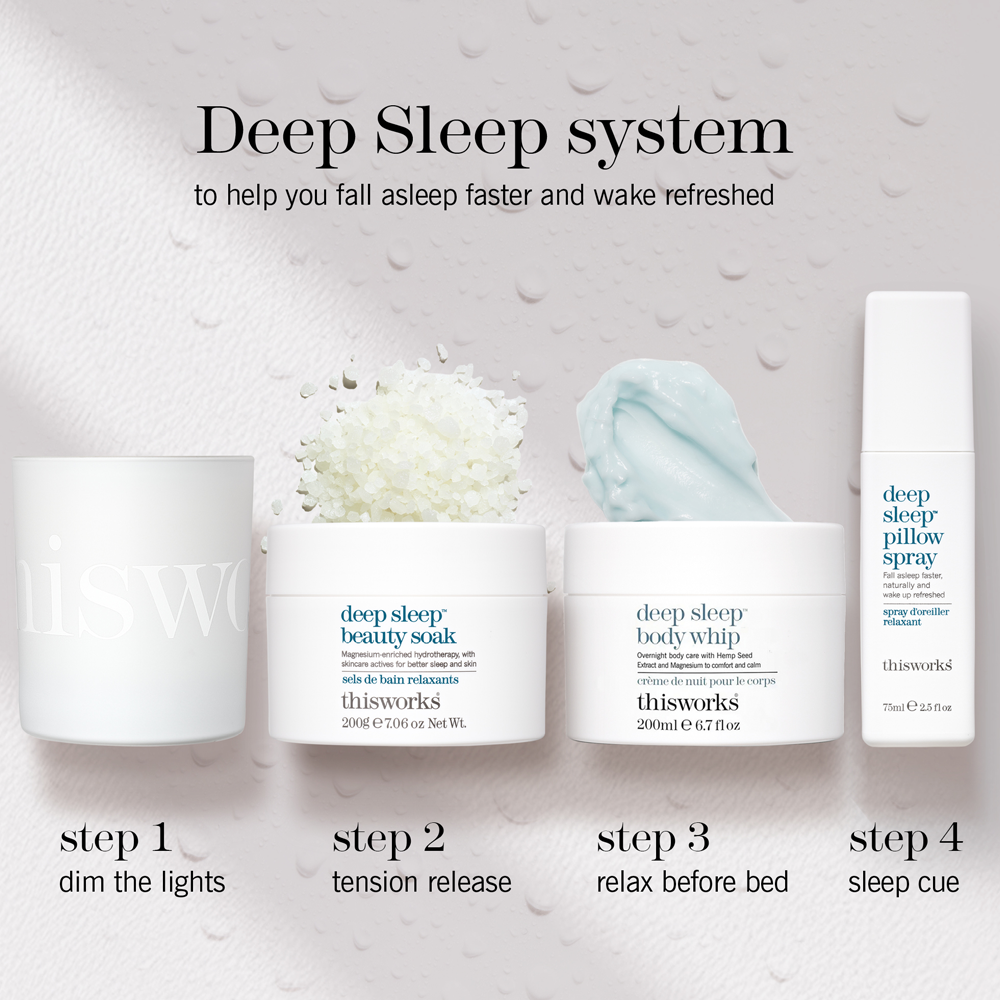
For optimal results, aroma should form part of a broader sleep hygiene strategy, such as a consistent bedtime routine combined with relaxation techniques.
Keeping a sleep diary can help monitor progress and track its effects on sleep quality and duration.
Aroma is particularly well suited as a conditioning cue, paired consistently with a wind-down routine to help re-establish the bed and bedroom as a low-arousal environment.
In this way, it can reinforce the stimulus-control principle at the heart of Cognitive Behavioral Therapy for Insomnia — CBT-I — rather than working against it.
It can also be used as a pre-sleep down-regulator through a pillow spray, diffusion or bedside inhalation patch.
It may potentially be used as an adjunct during the withdrawal or tapering of hypnotics, or during CBT-I, where a gentle shift towards relaxation and potentially greater parasympathetic activity may ease the discomfort associated with behavioural changes without reintroducing pharmacological dependence.
can the brain learn that it is time for sleep?
This is where the repeated use of scent becomes particularly interesting.
If a relaxing aroma is introduced every night during the period immediately preceding sleep, preferably combined with dimmed light, reduced activity, breathing or relaxation exercises and a consistent bedtime routine, night after night, the brain repeatedly encounters the same sequence:
aroma → relaxation → reduced arousal → sleep
In addition to any potential relaxing effect of the aroma itself, repeated association may gradually transform the aroma into a conditioned cue for relaxation and sleep.
Eventually, exposure to the familiar scent may itself signal that it is time to disengage from daytime activity, reduce arousal and prepare for sleep.
It is not simply about a scent being pleasant or relaxing. The consistency of the sensory experience may matter too.
Paired with the same wind-down behaviours night after night, a familiar aroma can become part of a sequence the brain begins to recognise: daytime activity is ending, arousal is reducing and sleep is approaching.
In this way, scent may become one part of teaching the brain when it is time to switch off.
Written by Professor Gaby Badre, sleep medicine expert and This Works scientific adviser.
related posts
 sleep hygienecan you train your brain for bedtime?Can a familiar scent become a signal that it is time to sleep? Professor Gaby Badre explores the connection between scent, the brain and nervous system — and how repeated sensory cues may help support the transition from daytime alertness...read post
 sleep hygienewhen the brain won’t switch off: understanding chronic insomniaWhy can sleep remain difficult long after the original trigger has passed? Professor Gaby Badre explores the science of chronic insomnia, the hyperarousal that can keep the brain alert at night, and how the brain can be retrained for sleep.read post
 red lightRed Magazine features Dr Anna Persaud’s story: can we use our senses to make us feel safe?In Red, Dr Anna Persaud shares her personal experience of anxiety and how neuroscience, therapy and sensory rituals helped her understand her nervous system – and find new ways to switch off.read post
 skincare concernsin transit no traces featured in British Vogue: the cleansing essential for hard waterOur in transit no traces cleansing pads have been featured in British Vogue as a Vogue-approved skincare solution for hard water, helping remove lingering residue without the need to rinse.read post
 fragranceOwn Time Eau de Parfum featured in Refinery29: the connection between scent and wellbeingOwn Time Eau de Parfum features in a personal Refinery29 exploration of fragrance, self-care and endometriosis, with our CEO Dr Anna Persaud sharing the science behind scent, memory and emotion.read post
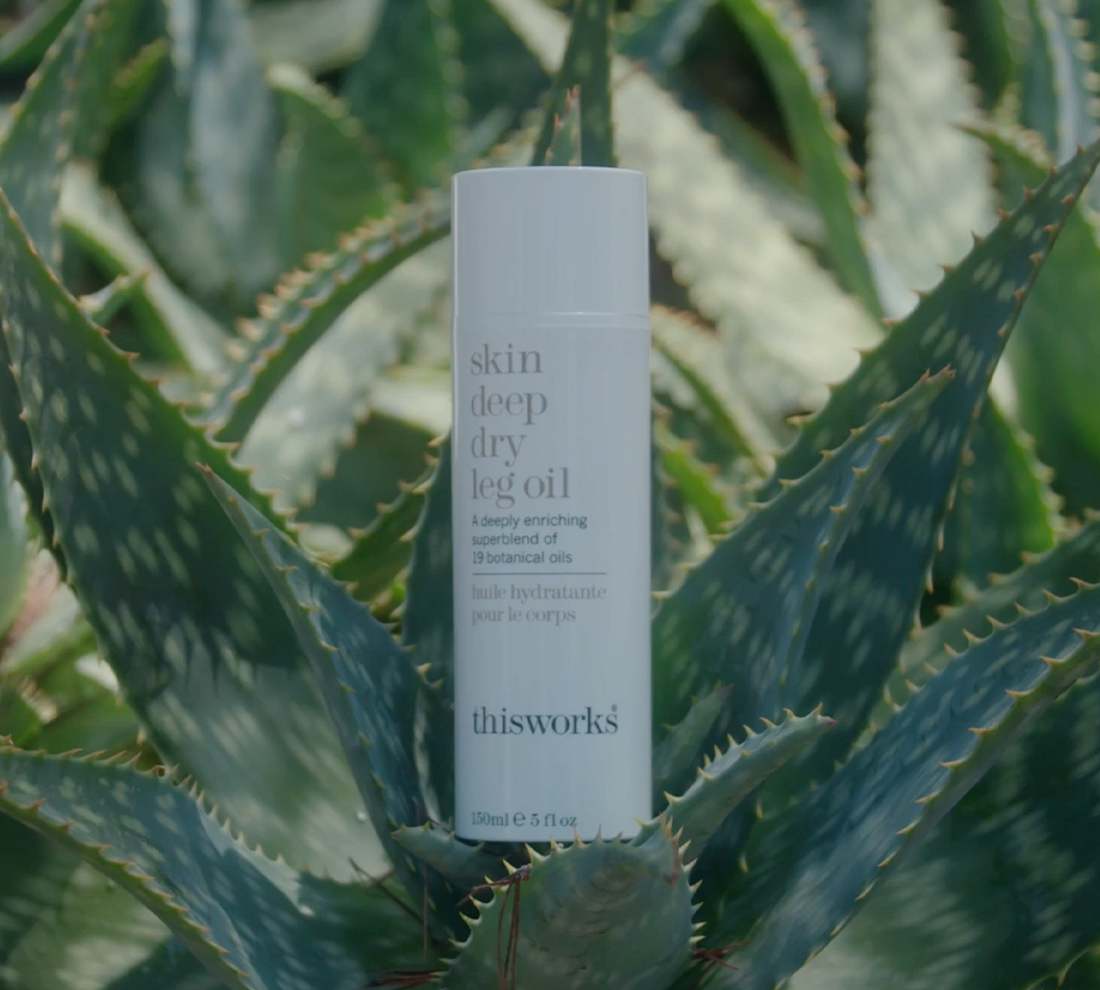 bodycare concernssummer skin recoverySummer may leave skin dry, dull and depleted, but recovery is about more than restoring your glow. Discover how intelligent skincare, technology and the power of touch can help replenish post-summer skin while reconnecting you with the body you live...read post
 sleep hygienethe science of switching off – a Doctor’s perspectiveDr Lana Gault explores the science behind switching off, from nervous system regulation and circadian rhythms to the simple, repeatable cues that can help prepare the body and brain for sleep.read post
 sleep hygienethe science of switching offYou don’t just have a sleep problem, you have a switching off problem. Sensory care rituals and neuroscience-informed products designed to support the transition into sleep and recovery.read post

