



Dr Anna Persaud shares her expert sleep advice in Marie Claire: how to improve sleep quality and build a better bedtime routine
Our CEO Dr Anna Persaud features in Marie Claire, sharing her expert advice on the signs of poor sleep, how to fix a bad sleep schedule and the importance of consistent bedtime rituals for better sleep.
We're delighted to see Dr Anna Persaud, CEO of This Works and PhD in biochemistry, featured in Marie Claire's latest article, This App Promises To Be Game-Changing for Your Sleep and Energy Levels -What I Thought After Testing for a Month.
Exploring the science of sleep tracking and how technology can help us better understand our sleep habits, Marie Claire turns to Anna for her expert insights on sleep quality, sleep hygiene and creating a consistent bedtime routine.
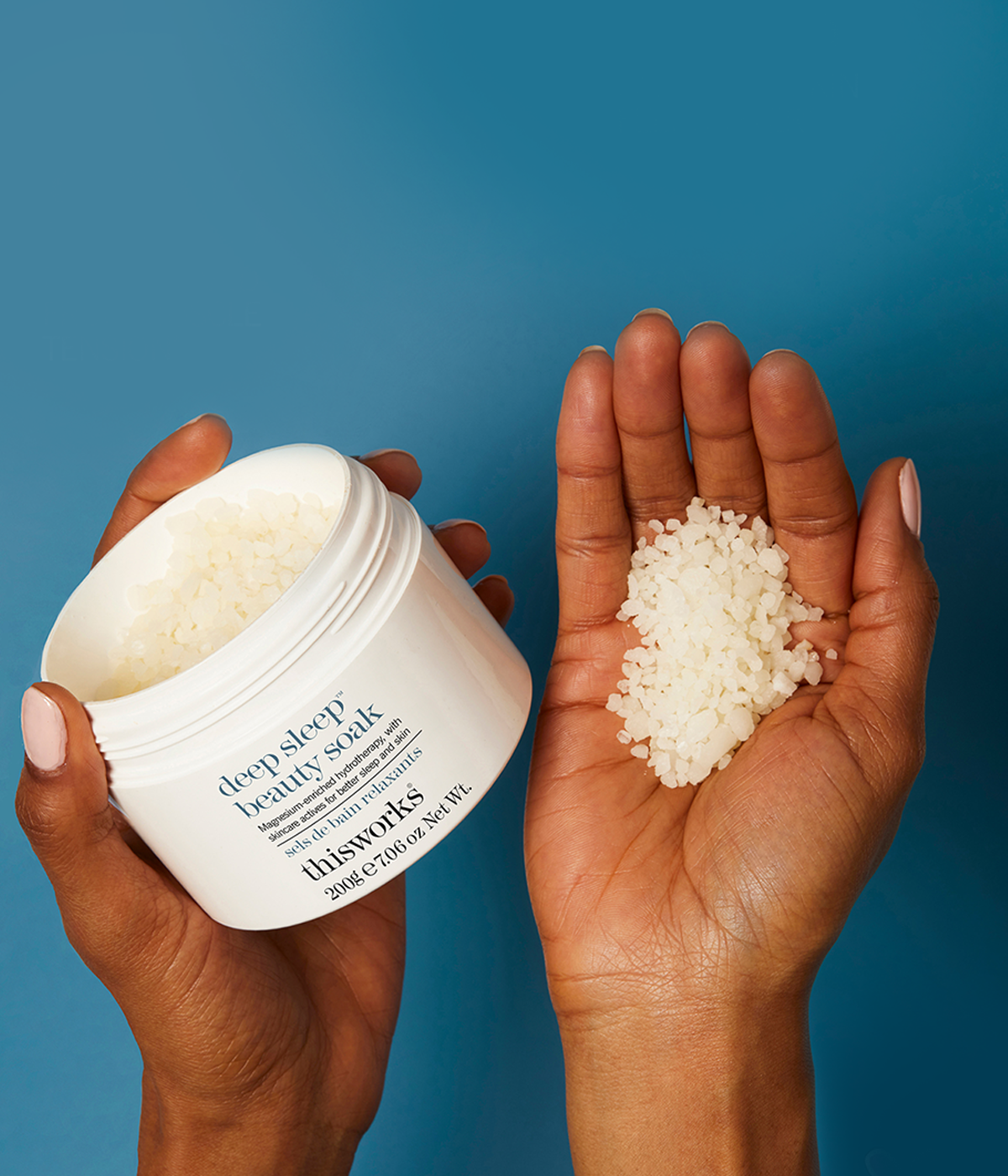
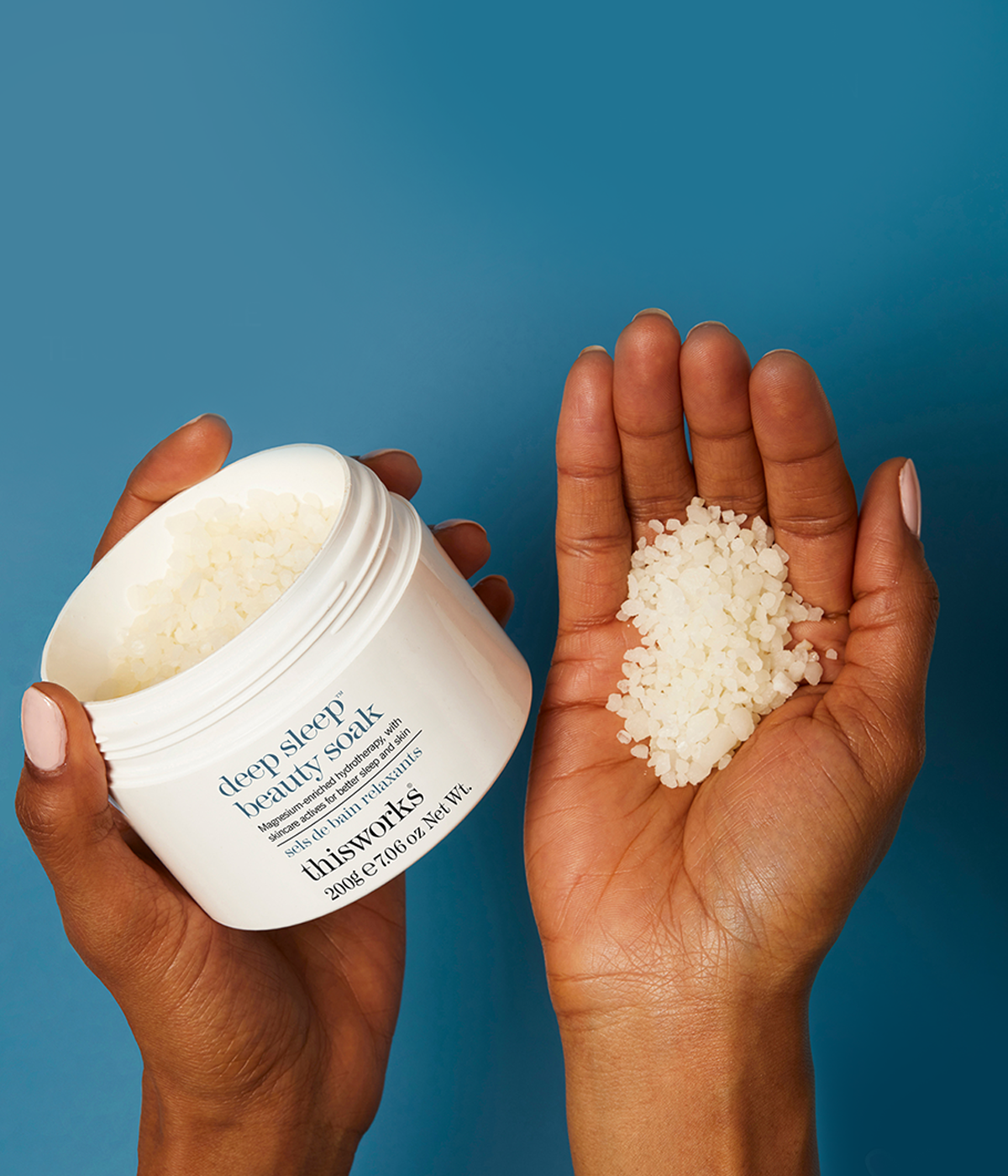
The feature also highlights two of our sleep essentials, deep sleep body whip and deep sleep bath soak, as part of Marie Claire's favourite sleep aids.
what are the signs of poor sleep?
Poor sleep doesn't always mean struggling to fall asleep. As Anna explains, the effects of disrupted sleep can often be felt throughout the following day.
"Poor sleep often shows up during the day."
Anna highlights difficulty concentrating, low energy, reduced patience and feeling less able to cope as potential signs that your sleep quality may be suffering. At night, these difficulties can appear as trouble falling asleep, waking repeatedly or waking too early without feeling refreshed.
Sleep is essential for both physical and mental recovery, supporting everything from emotional regulation and memory to immune function and skin health.
While most adults need around seven to nine hours of sleep, Anna emphasises that sleep quality matters just as much as duration.
Sleep trackers can help identify patterns in bedtime, wake time and night-time interruptions, but the most important measure is how rested you feel and how well you function throughout the day.
how do you fix a bad sleep schedule?
For anyone looking to improve their sleep schedule, Anna recommends beginning with the morning rather than focusing solely on bedtime.
"Start with your morning."
Waking at a consistent time each day, including weekends, and getting outside into natural daylight can help anchor your body's internal clock and support a more regular sleep-wake cycle.
Anna also advises creating a clear transition between daytime activity and evening rest. Dimming the lights, reducing stimulating screen use and allowing time to switch off can help prepare the mind and body for sleep.
She highlights the importance of regular mealtimes, avoiding heavy meals close to bedtime and being mindful of caffeine and alcohol, which can interfere with sleep quality.
Crucially, Anna explains that feeling tired and feeling sleepy are not the same thing. You can be physically exhausted while your brain remains mentally alert.
Rather than forcing an early bedtime, she recommends going to bed when you genuinely feel sleepy and maintaining a consistent wake time to help gradually reset your sleep schedule.
what makes a good bedtime routine?
For Anna, a good sleep routine doesn't need to be complicated. The key is consistency and creating a sequence of familiar sensory cues that help the nervous system transition from activity into rest.
"A good sleep routine should be simple and consistent."
In Marie Claire, Anna shares the evening rituals she personally relies on to help her switch off.
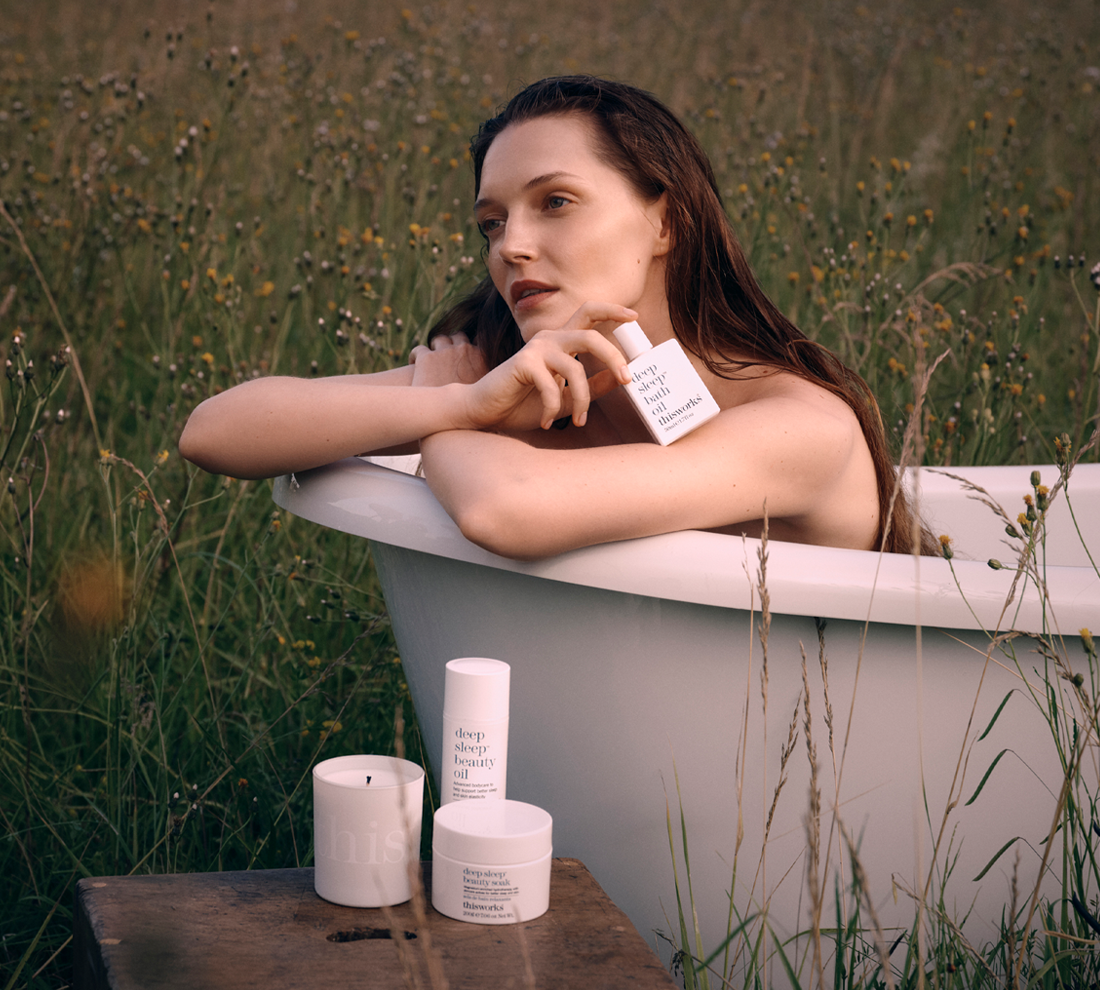
Her routine begins with deep sleep bath oil, using warmth to help relax physically and release tension. She then applies deep sleep body whip with Magnesium, focusing on her neck and shoulders, where she tends to hold tension.
Anna also incorporates the red light body wrap duo into her evening routine, using it on her lower back and neck as a relaxing part of her wind-down ritual.
Finally, she uses deep sleep pillow spray, creating a familiar fragrance cue that remains with her overnight.
Alongside these sensory rituals, Anna puts her phone on Do Not Disturb and avoids checking her sleep score once she's in bed.
While sleep technology can be useful for identifying patterns, constantly monitoring sleep data can create unnecessary pressure around achieving the perfect night's rest.
As Anna explains, the purpose of a bedtime routine isn't to force sleep, but to create the right conditions for it.
the science of switching off
At This Works, we believe that recovery doesn't begin when you get into bed – it begins when you switch off.
Anna's advice in Marie Claire reflects our approach to nervous system care and sensory-led sleep rituals, using warmth, touch, light and fragrance to help create a clear transition from daytime alertness to evening calm.
From consistent morning daylight to a familiar evening fragrance, small, repeatable habits can help support a healthier relationship with sleep.
Read the full Marie Claire feature here.
 sleep hygieneDr Anna Persaud shares her expert sleep advice in Marie Claire: how to improve sleep quality and build a better bedtime routineOur CEO Dr Anna Persaud features in Marie Claire, sharing her expert advice on the signs of poor sleep, how to fix a bad sleep schedule and the importance of consistent bedtime rituals for better sleep.read post
 expertssleep FAQs: a neuroscientist answers your biggest sleep questionsWhy do we feel tired but wired? Can we train our brains to sleep better? This Works Scientific Advisor Professor Gaby Badre explores the neuroscience behind sleep, insomnia and the science of switching off.read post
 sleep hygieneDr Anna Persaud shares the science of Magnesium, sleep and nervous system regulation in ELLEOur CEO Dr Anna Persaud features in ELLE, sharing her expertise on Magnesium glycinate, its role in the nervous system and why this essential mineral matters for sleep, stress and overall wellbeing.read post
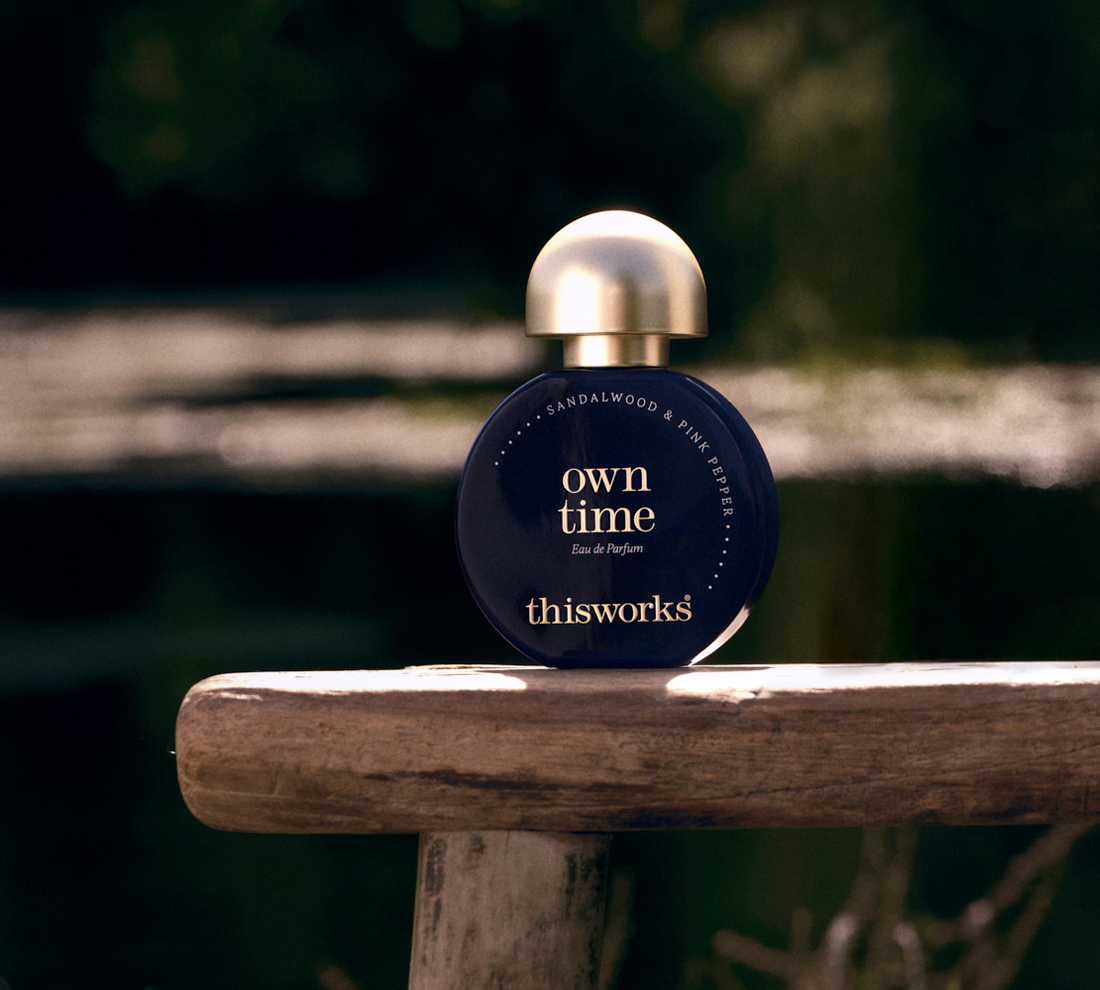 fragranceOwn Time Eau de Parfum featured in Forbes: the rise of Functional Fragrance and bedtime ritualsOur Own Time Eau de Parfum has been featured in Forbes, exploring how Functional Fragrance is redefining perfume layering and becoming part of our evening self-care rituals.read post
 sleep hygienewhen the clocks go back: how to help your body clock adjustAs the clocks go back, discover how the seasonal shift affects your sleep and the small changes that can help you adjust, with expert advice from Professor Gaby Badre and Lisa Artis, Deputy CEO of The Sleep Charity.read post
 expertsgetting on your nerves? episode 5: the September switchIn episode 5 of getting on your nerves?, Dr Anna Persaud is joined by medical doctor Dr Lana Gault to explore the September switch – how the transition from summer into autumn affects our physical health, mental wellbeing, sleep and...read post
 expertsgetting on your nerves? bonus episode: getting out of your head, into your bodyIn this Wellness Weekender special of getting on your nerves?, Dr Anna Persaud is joined by wellness expert and integrative therapist Esther Triviño to explore somatic yoga, interoception, nervous system regulation and how movement, breath, sound and sensory cues can...read post
 expertsgetting on your nerves? episode 4: wherever I lay my hatWhy can some people sleep anywhere, while others struggle as soon as their surroundings change? Dr Anna Persaud and Professor Gaby Badre explore sleep adaptability, circadian rhythm, nervous system regulation and how to become a more resilient sleeper when conditions...read post
