









Dr Anna Persaud shares the science of Magnesium, sleep and nervous system regulation in ELLE
Our CEO Dr Anna Persaud features in ELLE, sharing her expertise on Magnesium glycinate, its role in the nervous system and why this essential mineral matters for sleep, stress and overall wellbeing.


We're delighted to see Dr Anna Persaud, CEO of This Works and PhD in biochemistry, featured in ELLE's latest article, Feeling Wired But Tired? 5 Signs Your Body Needs This Type Of Magnesium.
Exploring the growing interest in Magnesium glycinate for sleep, stress and nervous system regulation, the feature brings together expert insights on how Magnesium supports the body, the signs of potential deficiency and what to consider when incorporating it into your wellbeing routine.
what is Magnesium glycinate and why does it matter?
Magnesium is an essential mineral involved in hundreds of biological processes, from supporting normal muscle function to maintaining the nervous system and helping the body produce energy.
As Dr Anna Persaud explains in ELLE:
"Magnesium supports fundamental biological processes including energy production, nerve signalling, and muscle contraction."
Anna also explains that Magnesium glycinate is a form of Magnesium bound to glycine, an amino acid involved in the body's nervous system processes.
With Magnesium increasingly discussed as part of evening wind-down routines, understanding its biological role is an important starting point.
how much Magnesium do we need?
In the feature, Anna highlights the importance of obtaining sufficient Magnesium through a balanced diet.
According to UK dietary guidelines, the recommended daily intake of Magnesium is 270mg for adult women aged 19–64 and 300mg for adult men.
Anna points towards foods including nuts, seeds, pulses, whole grains and leafy greens as important dietary sources of Magnesium.
While Magnesium supplements have become increasingly popular, particularly Magnesium glycinate, meeting nutritional requirements through food remains an important foundation for overall health and wellbeing.
the connection between Magnesium, sleep and nervous system regulation
One of the key themes explored in ELLE is the relationship between Magnesium and the nervous system, particularly for those who experience the familiar feeling of being physically exhausted but mentally alert.
Magnesium contributes to normal nervous system function and energy metabolism, making it an important nutrient for everyday wellbeing.
The article also explores how Magnesium influences processes involved in regulating nerve activity and highlights emerging research into Magnesium bisglycinate supplementation and self-reported sleep quality.
Although Magnesium deficiency cannot be diagnosed from symptoms alone, the feature discusses five potential indicators of inadequate Magnesium levels:
- Feeling wired but tired
- Muscle cramps, spasms or tightness
- Twitching eyelids
- Persistent fatigue
- Loss of appetite
These symptoms can have many different causes, so professional advice is important when assessing a possible deficiency.
understanding the science of switching off
At This Works, our approach to wellbeing is rooted in understanding how the nervous system responds to the demands of everyday life and the importance of creating opportunities to recover.
Anna's contribution to ELLE reinforces the role of fundamental biological processes in supporting our health, from nutrition and energy production to nerve signalling and muscle function.
Alongside good nutrition, consistent sleep habits and calming sensory rituals can help create the conditions for a more restorative evening routine.
As interest in Magnesium glycinate continues to grow, understanding the science behind the trends is an important part of making informed decisions about sleep and wellbeing.
Read the full ELLE feature here.
 sleep hygieneDr Anna Persaud shares her expert sleep advice in Marie Claire: how to improve sleep quality and build a better bedtime routineOur CEO Dr Anna Persaud features in Marie Claire, sharing her expert advice on the signs of poor sleep, how to fix a bad sleep schedule and the importance of consistent bedtime rituals for better sleep.read post
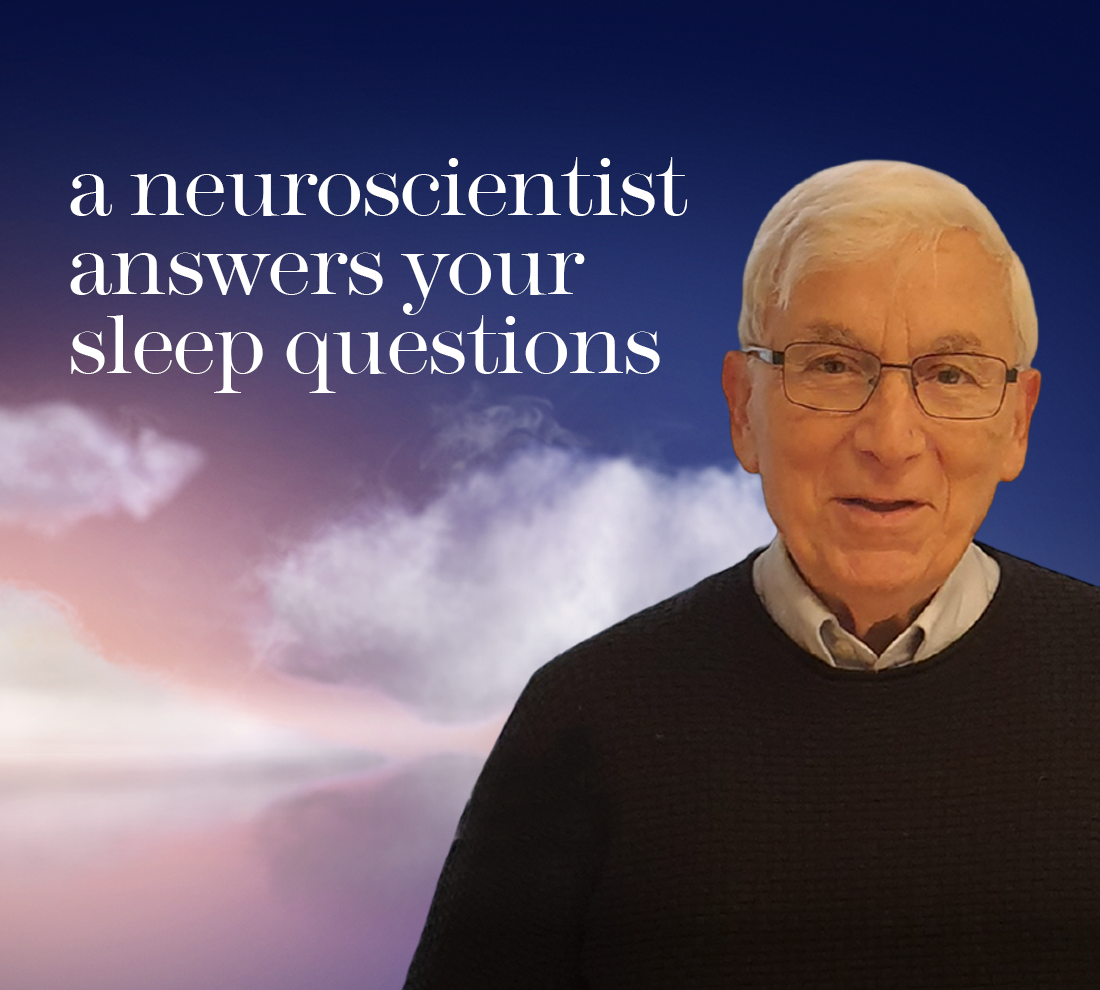 expertssleep FAQs: a neuroscientist answers your biggest sleep questionsWhy do we feel tired but wired? Can we train our brains to sleep better? This Works Scientific Advisor Professor Gaby Badre explores the neuroscience behind sleep, insomnia and the science of switching off.read post
 sleep hygieneDr Anna Persaud shares the science of Magnesium, sleep and nervous system regulation in ELLEOur CEO Dr Anna Persaud features in ELLE, sharing her expertise on Magnesium glycinate, its role in the nervous system and why this essential mineral matters for sleep, stress and overall wellbeing.read post
 fragranceOwn Time Eau de Parfum featured in Forbes: the rise of Functional Fragrance and bedtime ritualsOur Own Time Eau de Parfum has been featured in Forbes, exploring how Functional Fragrance is redefining perfume layering and becoming part of our evening self-care rituals.read post
 sleep hygienewhen the clocks go back: how to help your body clock adjustAs the clocks go back, discover how the seasonal shift affects your sleep and the small changes that can help you adjust, with expert advice from Professor Gaby Badre and Lisa Artis, Deputy CEO of The Sleep Charity.read post
 expertsgetting on your nerves? episode 5: the September switchIn episode 5 of getting on your nerves?, Dr Anna Persaud is joined by medical doctor Dr Lana Gault to explore the September switch – how the transition from summer into autumn affects our physical health, mental wellbeing, sleep and...read post
 expertsgetting on your nerves? bonus episode: getting out of your head, into your bodyIn this Wellness Weekender special of getting on your nerves?, Dr Anna Persaud is joined by wellness expert and integrative therapist Esther Triviño to explore somatic yoga, interoception, nervous system regulation and how movement, breath, sound and sensory cues can...read post
 expertsgetting on your nerves? episode 4: wherever I lay my hatWhy can some people sleep anywhere, while others struggle as soon as their surroundings change? Dr Anna Persaud and Professor Gaby Badre explore sleep adaptability, circadian rhythm, nervous system regulation and how to become a more resilient sleeper when conditions...read post
