



when the brain won’t switch off: understanding chronic insomnia
Why can sleep remain difficult long after the original trigger has passed? Professor Gaby Badre explores the science of chronic insomnia, the hyperarousal that can keep the brain alert at night, and how the brain can be retrained for sleep.

when poor sleep becomes chronic
Sleep is a fundamental pillar of health, yet for a significant portion of the global population — particularly in the industrialised world — restful sleep is a frustrating goal.
Instead of being associated with relaxation, the bed gradually becomes associated with frustration and apprehension: “Am I going to sleep tonight? How will I be able to cope tomorrow?”
Nearly a third of adults report occasional sleep difficulty, whether in the quality or quantity of their sleep. Sleep quantity alone, however, does not define whether someone sleeps well. Some people naturally sleep six hours — “short sleepers” — while others may spend nine hours asleep — “long sleepers” — and function perfectly well.
What matters is whether sleep is sufficient and restorative.
In insomnia, the problem is therefore not simply how many hours one sleeps, but difficulties such as delayed sleep onset, fragmented sleep and, importantly, their impact on daytime functioning.
While acute or short-term insomnia is often triggered by an occasional event — a stressful life event or medical condition, for example — and resolves when the situation improves, chronic insomnia is a serious condition with profound implications for physical and mental health. It can increase the risk of depression, anxiety and cardiovascular disorders, while reducing quality of life.
With a worldwide prevalence of 6–10% of adults, chronic insomnia represents a major public health concern. It is more common in women and in people with coexisting medical or psychiatric conditions, but still frequently goes unrecognised and untreated.

what defines chronic insomnia?
The reference systems are the American Psychiatric Association’s Diagnostic and Statistical Manual of Mental Disorders (DSM-5-TR) and the American Academy of Sleep Medicine’s International Classification of Sleep Disorders (ICSD-3-TR).
The criteria shared by both systems include dissatisfaction with sleep quantity or quality, associated with one or more of the following:
- difficulty falling asleep — onset insomnia
- difficulty maintaining sleep — sleep maintenance insomnia — characterised by frequent awakenings or problems returning to sleep after awakening
- early-morning awakening with an inability to return to sleep
- sleep that consequently feels non-restorative
The sleep disturbance must cause significant daytime distress or impairment in social, occupational, behavioural or other important areas of functioning. Sleep difficulty must also occur despite adequate opportunity and circumstances to sleep.
The symptoms should not be attributable to the physiological effects of medication or substance use, and coexisting mental disorders or medical conditions should not adequately explain the predominant complaint of insomnia. Similarly, the insomnia should not be better explained by another sleep-wake disorder, such as a sleep-related breathing disorder.
Insomnia is defined as chronic when sleep difficulty occurs at least three nights per week and is present for at least three months.
This three-month threshold is what separates chronic insomnia from shorter-lasting insomnia disorder, such as that following an identifiable stressor.
A useful way of remembering the criteria is the 3-3-3 rule:
3 nights per week, for 3 months, with one or more of 3 principal nocturnal symptoms.
These are persistent difficulty initiating sleep — commonly taking more than 30 minutes to fall asleep — difficulty maintaining sleep through frequent awakenings, or early-morning awakening with an inability to return to sleep.
There must also be significant daytime distress or impairment in social, occupational, behavioural or cognitive functioning, such as daytime fatigue, impaired attention or memory, mood disturbance or reduced motivation.
Importantly, sleep difficulty must occur despite adequate opportunity and environment for sleep, rather than simply being the consequence of insufficient opportunity to sleep.
Chronic insomnia can coexist with medical, psychiatric or other sleep disorders, such as obstructive sleep apnoea, provided that the insomnia is not entirely explained by the coexisting disorder.

why does chronic insomnia develop?
There is rarely a single cause.
The pathophysiology of chronic insomnia is complex and multifactorial, involving factors that predispose someone to, trigger and then maintain the disorder.
The initial trigger may be easily recognised: lifestyle or environmental factors, psychological stress, a relationship or work problem, physical illness, pain, hormonal changes, childcare or disruption of the sleep-wake rhythm.
Substance use — including caffeine, alcohol, nicotine and stimulants — an irregular sleep schedule or an inadequate sleep environment may also contribute to the development of insomnia.
However, the original trigger often disappears while insomnia persists and becomes chronic.
A self-perpetuating cycle develops: poor sleep increases worry about sleep and its possible consequences the following day, leading to anticipatory anxiety about the next night and increasing cognitive and physiological arousal.
This, in turn, increases stress and further interferes with sleep, reinforcing the cycle.

the 3p model of insomnia
This progression has been well conceptualised by the 3P model, proposed by Arthur Spielman, which separates the factors contributing to insomnia into three categories that interact over time.
predisposing factors
These are traits that lower the threshold for sleep disruption but do not, by themselves, cause insomnia.
They can include genetic predisposition, a tendency towards hyperarousal — such as high physiological or cognitive arousal, anxiety-prone or ruminative personalities — increased stress reactivity and elevated core body temperature.
Being a woman can also increase predisposition, due in part to hormonal fluctuations during menstruation, pregnancy and menopause, as can advanced age.
precipitating factors
These are triggers that initiate poor sleep and acute insomnia.
Psychological stress can include major life events such as bereavement, job loss, a new job, relationship conflict, divorce, a new baby or psychological trauma, as well as chronic stressors such as work pressure or financial difficulties.
Medical conditions can include chronic pain, such as arthritis or fibromyalgia; respiratory disorders such as asthma and COPD; gastrointestinal issues such as GERD; neurological conditions and trauma.
Psychiatric disorders, including depression, PTSD, anxiety disorders and bipolar disorder, may also precipitate insomnia.
Other triggers include alcohol, caffeine, nicotine, stimulants, certain medications and circadian disruption caused by shift work, jet lag or irregular sleep-wake schedules.
perpetuating factors
These are the behavioural and cognitive patterns that can maintain insomnia long after the initial trigger has resolved.
Poor sleep hygiene can play a role: irregular sleep schedules, excessive napping, stimulating activities before bed such as screen time or intense exercise, and an uncomfortable sleep environment caused by factors such as noise, light or extreme temperatures.
Conditioned arousal can also develop, where the bed or bedroom becomes associated with frustration, anxiety or wakefulness through behaviours such as lying in bed awake for hours or clock-watching.
Maladaptive beliefs about sleep can further reinforce this. Someone might catastrophise the consequences of poor sleep — “If I do not sleep well tonight, I will not be able to work tomorrow” — or develop unrealistic expectations such as “I must get nine hours of sleep every night.”
Spending excessive time in bed in an attempt to “catch up” on sleep may further fragment sleep and reduce sleep efficiency.
Compensatory behaviours, such as relying on caffeine, alcohol or sleeping pills to cope with sleep loss, can also worsen insomnia in the long term.

the hyperarousal model: when the brain stays alert
The central mechanistic feature of chronic insomnia is cerebral and autonomic hyperarousal.
The brain and body remain too alert at a time when arousal should normally decrease. Cognitive activity, emotional arousal and autonomic activation may all contribute.
Dysregulation of the hypothalamic-pituitary-adrenal — or HPA — axis may contribute to this state, with increased stress-system activity and, in some people, elevated evening cortisol.
Hyperarousal may also be reflected by increased metabolic activity, elevated core body temperature and persistent autonomic activation, with increased sympathetic activity and reduced parasympathetic — or vagal — modulation.
At the cortical level, electroencephalography (EEG) studies have shown increased high-frequency activity at bedtime and during sleep, suggesting that parts of the brain remain relatively activated even after an individual has fallen asleep.
Alterations in inflammatory pathways, including changes in pro-inflammatory cytokines, have also been reported in chronic insomnia, although their precise role — whether cause, consequence or both — remains uncertain.
Chronic insomnia is also frequently reported alongside gastrointestinal complaints such as IBS and GERD, although the relationship appears bidirectional.
Alterations in the gut microbiota are often associated with insomnia and poor sleep. The gut-brain axis could potentially influence sleep through immune, metabolic, neurochemical and vagal pathways, including mechanisms involving serotonin and GABA. However, this remains an active area of research.
Persistent hyperarousal may help explain some of the association between chronic insomnia and anxiety, depression, chronic pain and cardiometabolic disorders, although these relationships are complex and often bidirectional.

when the bed becomes a cue for wakefulness
The bed can become paired with wakefulness, worry and frustration rather than rest.
Over time, the original stressor may become less important than the learned association between the bed and wakefulness.
This conditioned arousal is an important mechanism perpetuating chronic insomnia and is specifically targeted by behavioural treatment, particularly stimulus control therapy.
It also helps explain why advice about sleep hygiene alone is not enough.
Telling someone not to drink coffee late in the day or to maintain a regular sleep schedule is appropriate, but often insufficient because it does not necessarily dismantle the learned cognitive, behavioural and physiological mechanisms maintaining the disorder.

what happens during rem sleep?
At a neurobiological level, hyperarousal has also been linked to instability of sleep, particularly during Rapid Eye Movement — REM — sleep.
Some studies suggest that REM in insomnia may be more fragmented and contain brief intrusions of wake-like cortical activity.
This hypothesis may help explain an important paradox in chronic insomnia: the sometimes relatively modest objective sleep alterations measured in the laboratory can contrast with the significant subjective sleep disturbance reported by patients.
Furthermore, because REM sleep is involved in emotional processing, its instability has been proposed as one possible mechanism contributing to the strong association between insomnia and mood and anxiety disorders.

can you assess insomnia yourself?
There is no online tool that can formally diagnose insomnia disorder.
Diagnosis requires a clinical assessment to confirm the frequency and duration of symptoms and their impact on daytime functioning, as well as to rule out other sleep disorders such as sleep apnoea.
A useful tool for self-screening is the Insomnia Severity Index (ISI), a seven-item self-report questionnaire that takes under two minutes to complete and has been validated in many languages. It is freely available online, but it is not a diagnosis in itself.
Another widely used questionnaire is the Pittsburgh Sleep Quality Index (PSQI). It provides a broader assessment of sleep quality over the previous month, including sleep latency, duration, efficiency, sleep disturbances, use of sleep medication and daytime dysfunction.
The two questionnaires are complementary: the ISI focuses more specifically on insomnia and its severity, while the PSQI provides a broader picture of sleep quality and sleep-related difficulties.
A two-week sleep diary can provide additional information by recording bedtime, sleep onset, awakenings, final waking time and estimated sleep duration.
It can help identify the pattern of insomnia — difficulty falling asleep, maintaining sleep, early-morning awakening or a combination of these — and reveal how sleep varies from night to night.
Together, these tools provide a useful first step in identifying and characterising a sleep problem and determining whether professional assessment may be appropriate.

retraining the brain for sleep
Currently, one of the first-line treatments for chronic insomnia is Cognitive Behavioral Therapy for Insomnia (CBT-I).
CBT-I is a structured, multi-component programme that directly targets the cognitive and behavioural patterns that perpetuate the disorder. It addresses the underlying mechanisms maintaining insomnia rather than simply masking its symptoms.
A central component is the cognitive part, teaching patients to identify and modify the negative beliefs and worries about sleep that keep them awake. The behavioural part helps establish healthy sleep habits and routines.
The core components include:
Sleep Restriction Therapy (SRT): The goal is to increase sleep efficiency — time asleep compared with time in bed — by temporarily limiting time in bed to more or less match actual sleep time, consolidating sleep drive before gradually expanding time in bed.
Stimulus Control Therapy (SCT): The aim is to reassociate the bed and bedroom with sleep rather than wakefulness. This includes using the bed only for sleep and sex, rather than reading, watching television or using a phone; maintaining a regular wake-up time; going to bed when sleepy; and avoiding napping.
Cognitive therapy: This is intended to reframe maladaptive beliefs about sleep. For example, catastrophic thoughts such as “I’ll not be able to work adequately tomorrow” can be replaced with more realistic thoughts or mental imagery techniques. Patients can also be taught about normal variations in sleep and misconceptions surrounding sleep needs.
Paradoxical intention may also be used to reduce performance anxiety by instructing patients to stay awake instead of trying to fall asleep.
Sleep hygiene education: Lifestyle adjustments can promote better sleep, including maintaining consistent sleep schedules — even on weekends — avoiding caffeine, nicotine and alcohol close to bedtime, limiting exposure to screens, and avoiding heavy meals and excessive fluids before bed.
Regular exercise is recommended, although very vigorous exercise should be avoided within three to four hours of bedtime.
Relaxation techniques: Diaphragmatic breathing, mindfulness, meditation, Progressive Muscle Relaxation (PMR) and listening to soft music may all be used.
However, it is essential not to feel pressure or stress to perform these techniques — “I must do it” — as this may itself increase arousal.
If successful, CBT-I can provide substantial improvement without the risks associated with pharmacotherapy.

when medication may be considered
In some cases, it may be necessary to combine CBT-I with medication for a short period of time in adults with chronic insomnia.
Medication may also be considered when CBT-I is unavailable, insufficiently effective or not feasible.
Pharmacotherapy may include medication targeting sleep specifically, such as benzodiazepines or benzodiazepine receptor agonists — Z-drugs — melatonin or melatonin receptor agonists, and dual orexin receptor antagonists.
These medications can be prescribed alone or alongside medication addressing anxiety and mood, such as low-dose sedating antidepressants.
Short-term use is generally preferred, particularly for benzodiazepines and Z-drugs, to reduce the risks of tolerance, dependency, anterograde amnesia and
rebound insomnia.
Sudden discontinuation can lead to worsening insomnia, particularly after prolonged use of some hypnotic medications.
Adverse effects may include risk of falls, cognitive impairment and motor vehicle accidents, especially in older adults. Certain medications may also exacerbate underlying conditions.
complementary approaches
Acupuncture, yoga and Tai Chi may help reduce stress and hyperarousal, while light therapy and chronotherapy may be used when appropriate to adjust circadian phase.
Nutritional interventions and supplements may also have some impact on sleep.
Magnesium may improve sleep quality in some patients, possibly through effects on neurotransmission, including GABAergic mechanisms.
L-Theanine, found in green tea, may promote relaxation without sedation, while valerian root has been reported to have mild sedative effects.
Tryptophan — found in dairy products, nuts, seeds and bananas — is a precursor of serotonin and subsequently melatonin, although its clinical effect on insomnia remains uncertain.

understanding insomnia differently
Chronic insomnia is a complex disorder with significant effects on physical health and mental wellbeing, while also causing important daytime consequences that affect quality of life.
Its causes are diverse, including genetic, psychological, environmental, medical and behavioural factors.
The hyperarousal model helps to explain how cognitive, emotional, behavioural and neurobiological factors may perpetuate the disorder, even when the original trigger has gone.
Early intervention and personalised treatment plans — preferably within a multidisciplinary approach combining behavioural treatment, pharmacological treatment when necessary, complementary interventions and good adherence to sleep hygiene practices — may offer an effective way forward for people struggling with chronic insomnia.
Understanding that insomnia is not simply about “getting enough hours”, but also about how the brain and body respond to sleep, is an important place to start.
Written by Professor Gaby Badre, sleep medicine expert and This Works scientific adviser.

related posts
 sleep hygienewhen the brain won’t switch off: understanding chronic insomniaWhy can sleep remain difficult long after the original trigger has passed? Professor Gaby Badre explores the science of chronic insomnia, the hyperarousal that can keep the brain alert at night, and how the brain can be retrained for sleep.read post
 red lightRed Magazine features Dr Anna Persaud’s story: can we use our senses to make us feel safe?In Red, Dr Anna Persaud shares her personal experience of anxiety and how neuroscience, therapy and sensory rituals helped her understand her nervous system – and find new ways to switch off.read post
 skincare concernsin transit no traces featured in British Vogue: the cleansing essential for hard waterOur in transit no traces cleansing pads have been featured in British Vogue as a Vogue-approved skincare solution for hard water, helping remove lingering residue without the need to rinse.read post
 fragranceOwn Time Eau de Parfum featured in Refinery29: the connection between scent and wellbeingOwn Time Eau de Parfum features in a personal Refinery29 exploration of fragrance, self-care and endometriosis, with our CEO Dr Anna Persaud sharing the science behind scent, memory and emotion.read post
 bodycare concernssummer skin recoverySummer may leave skin dry, dull and depleted, but recovery is about more than restoring your glow. Discover how intelligent skincare, technology and the power of touch can help replenish post-summer skin while reconnecting you with the body you live...read post
 sleep hygienethe science of switching off – a Doctor’s perspectiveDr Lana Gault explores the science behind switching off, from nervous system regulation and circadian rhythms to the simple, repeatable cues that can help prepare the body and brain for sleep.read post
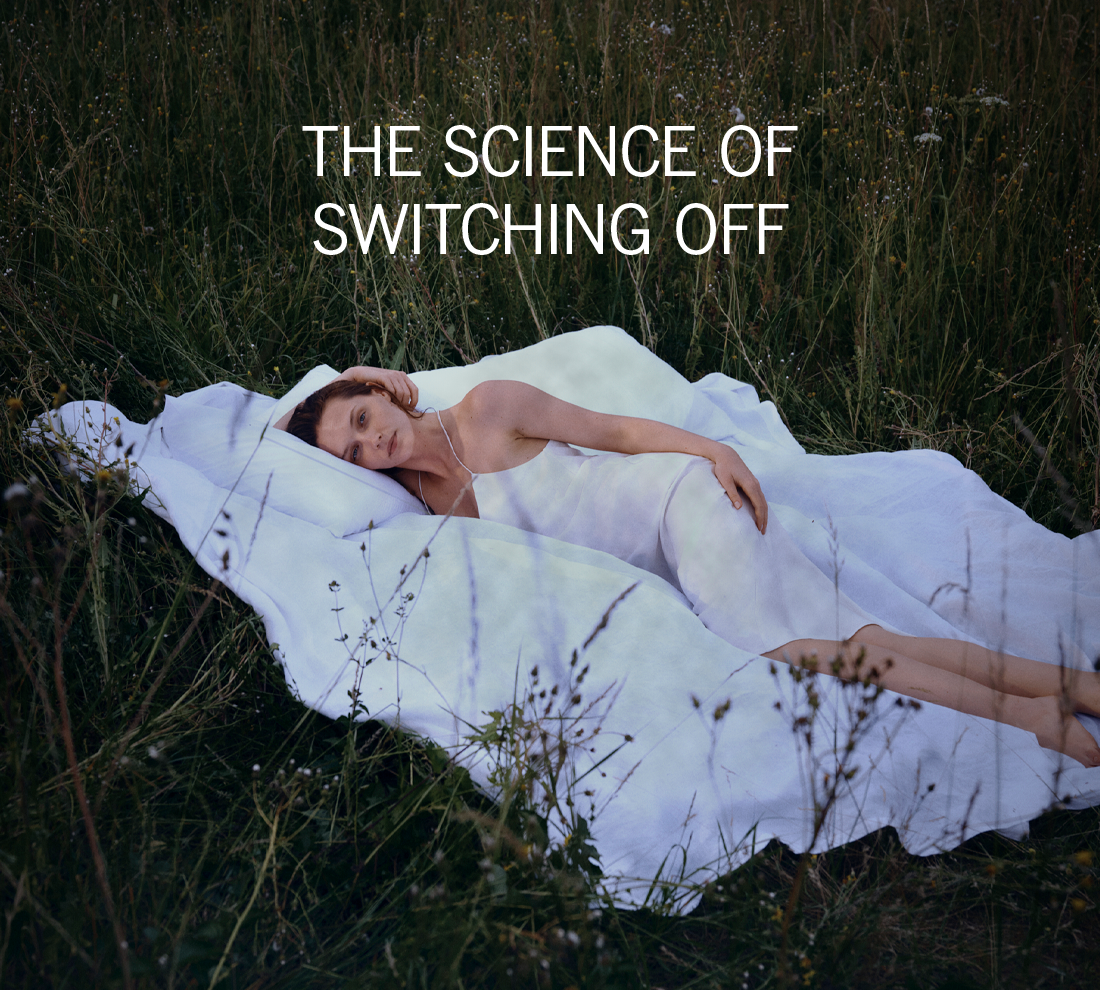 sleep hygienethe science of switching offYou don’t just have a sleep problem, you have a switching off problem. Sensory care rituals and neuroscience-informed products designed to support the transition into sleep and recovery.read post
 fragranceOwn Time Eau de Parfum wins an Oprah Daily Beauty O-ward for best bedtime scentOur Own Time Eau de Parfum has been named Best Bedtime Scent in the Oprah Daily Beauty O-wards, celebrating the very best in beauty and wellbeing.read post

