the science of switching off
You don’t just have a sleep problem, you have a switching off problem. Sensory care rituals and neuroscience-informed products designed to support the transition into sleep and recovery.

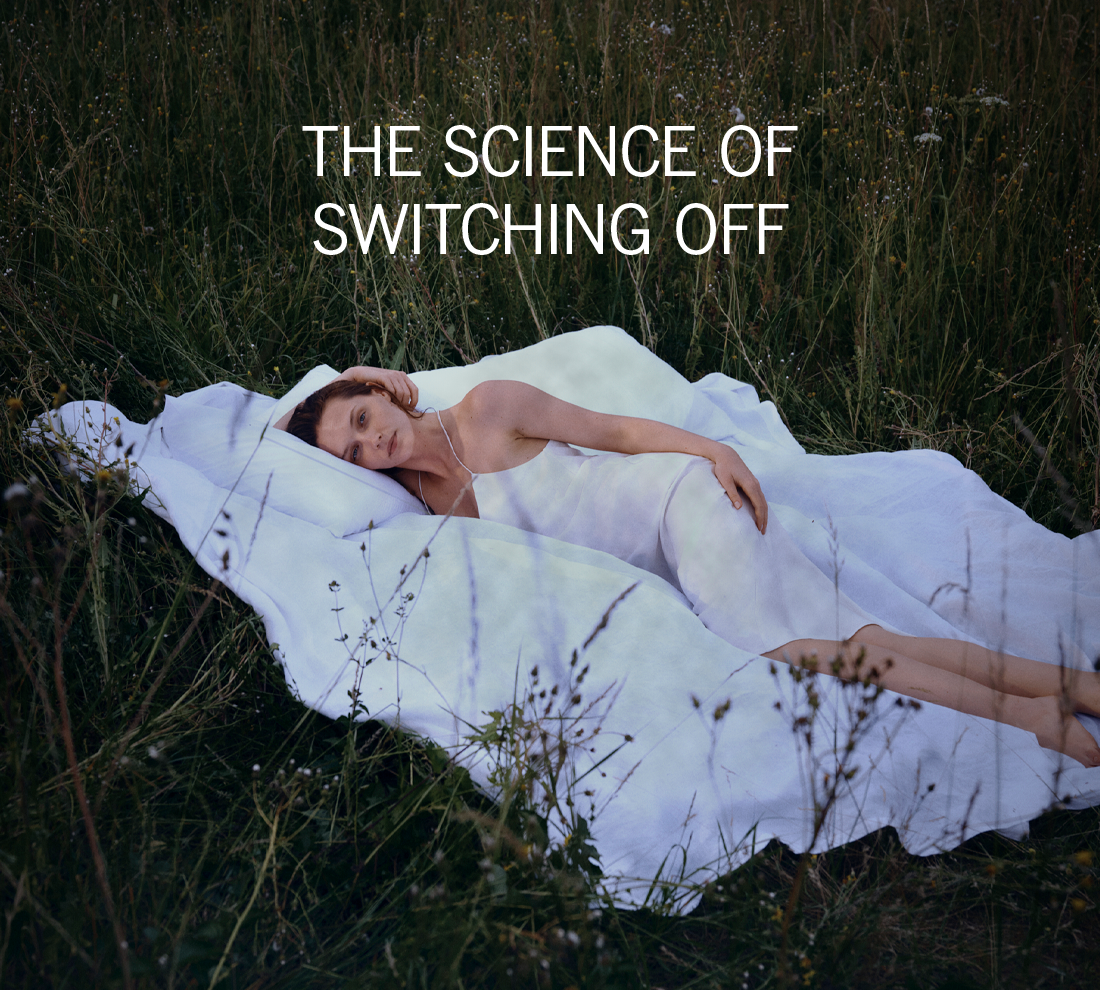
we don't just have a sleep problem. we have a switching-off problem.
Modern life asks the brain to remain responsive almost continuously. Emails, messages, notifications, work, family and the constant availability of information mean that the end of the day does not necessarily mean the end of cognitive demand.
91% of UK adults experienced high or extreme levels of pressure or stress at some point in the past year, while recent UK research found that only 42% of workers felt able to switch off from work when they needed to. HSE figures for 2024/25 estimate that 964,000 workers experienced work-related stress, depression or anxiety, accounting for 22.1 million working days lost.
Not being able to switch off does not necessarily look dramatic. It can be being exhausted but still checking your phone. Replaying a conversation while brushing your teeth. Mentally writing tomorrow's list in bed. Holding tension in your jaw, neck or shoulders hours after work has finished. Feeling physically tired while your brain continues to process, anticipate and respond.
And eventually, that inability to transition can interfere with the thing the body needs most: recovery.
switching off is a transition
Sleep is not a switch that we simply decide to turn on. Before sleep comes a biological transition from wakefulness towards rest, shaped by circadian timing, sleep pressure, behaviour and environment.
Light matters. Temperature matters. Routine matters. Sensory information - including scent and touch - gives the brain information about what is happening around us.
Importantly, the brain learns. Through neuroplasticity and associative learning, repeated experiences can create associations between sensory cues, environments and behaviours. Olfaction is especially interesting because smell is closely integrated with neural systems involved in emotion and memory.
Human research has demonstrated associative learning involving odours during sleep, while other studies have shown that re-presenting an odour associated with prior learning during slow-wave sleep can reactivate memory-related processes.
This creates a compelling possibility for modern recovery: rather than trying to force ourselves to switch off, can we become better at giving the brain consistent cues that it is time to do so?
train the transition
For more than 20 years, This Works has been creating sensory rituals around one of the most important transitions of the day: the journey from wakefulness to sleep.
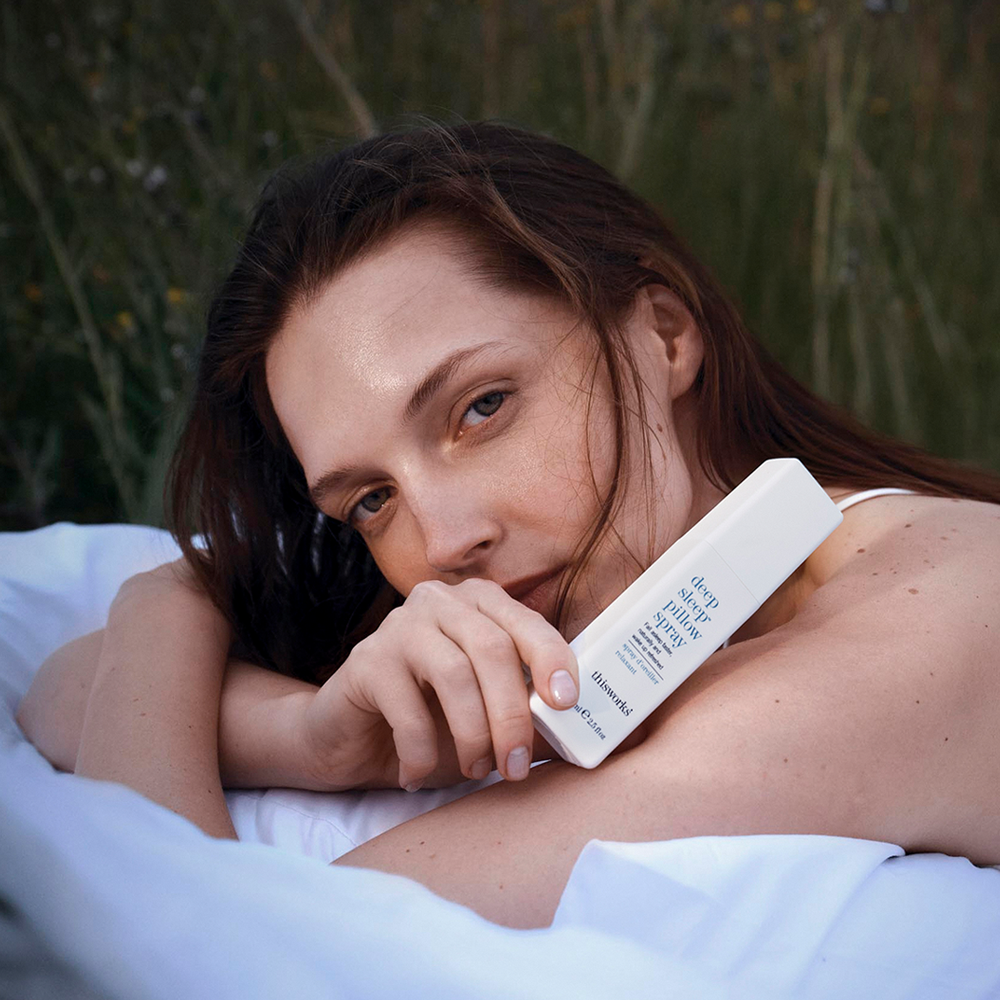
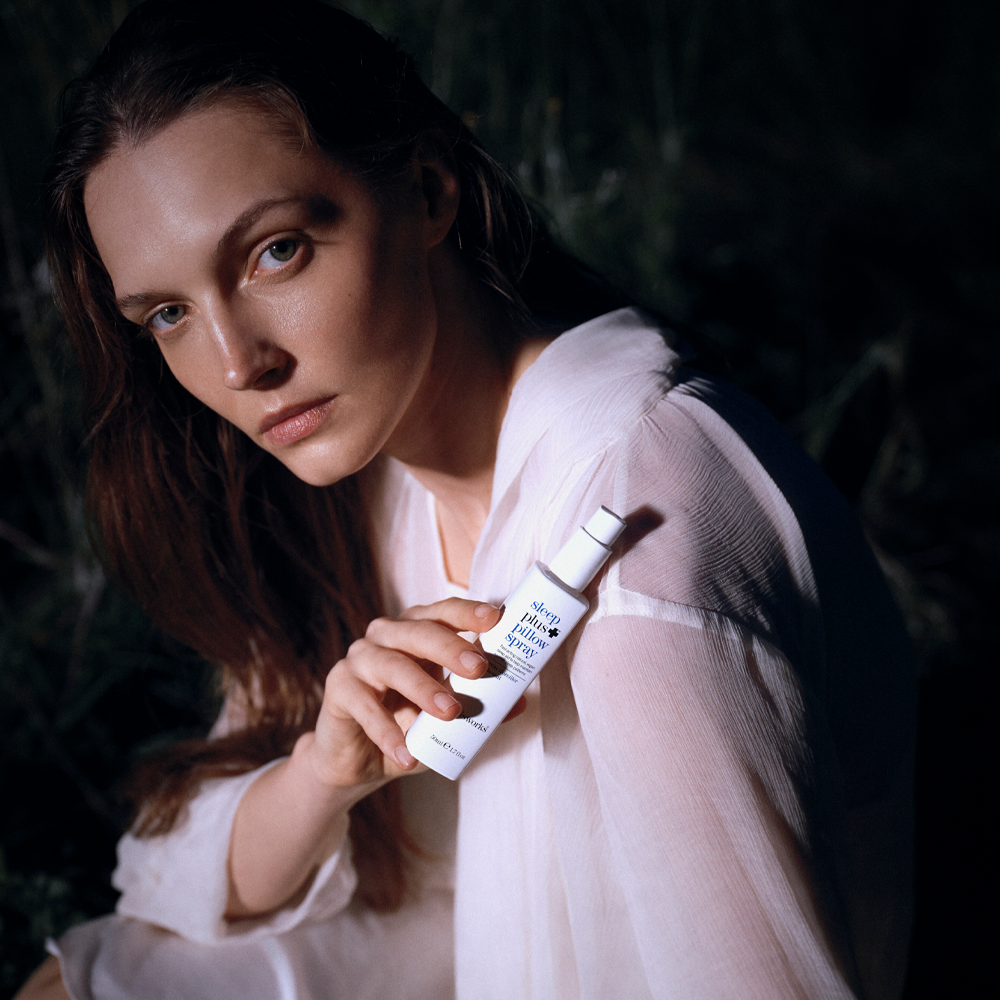
Deep sleep pillow spray began with a beautifully simple behaviour: the same fragrance, used in the same place, immediately before sleep. Used repeatedly, sensory rituals can become familiar cues within a bedtime routine, helping create a recognisable transition between the activity of the day and the conditions we associate with sleep.
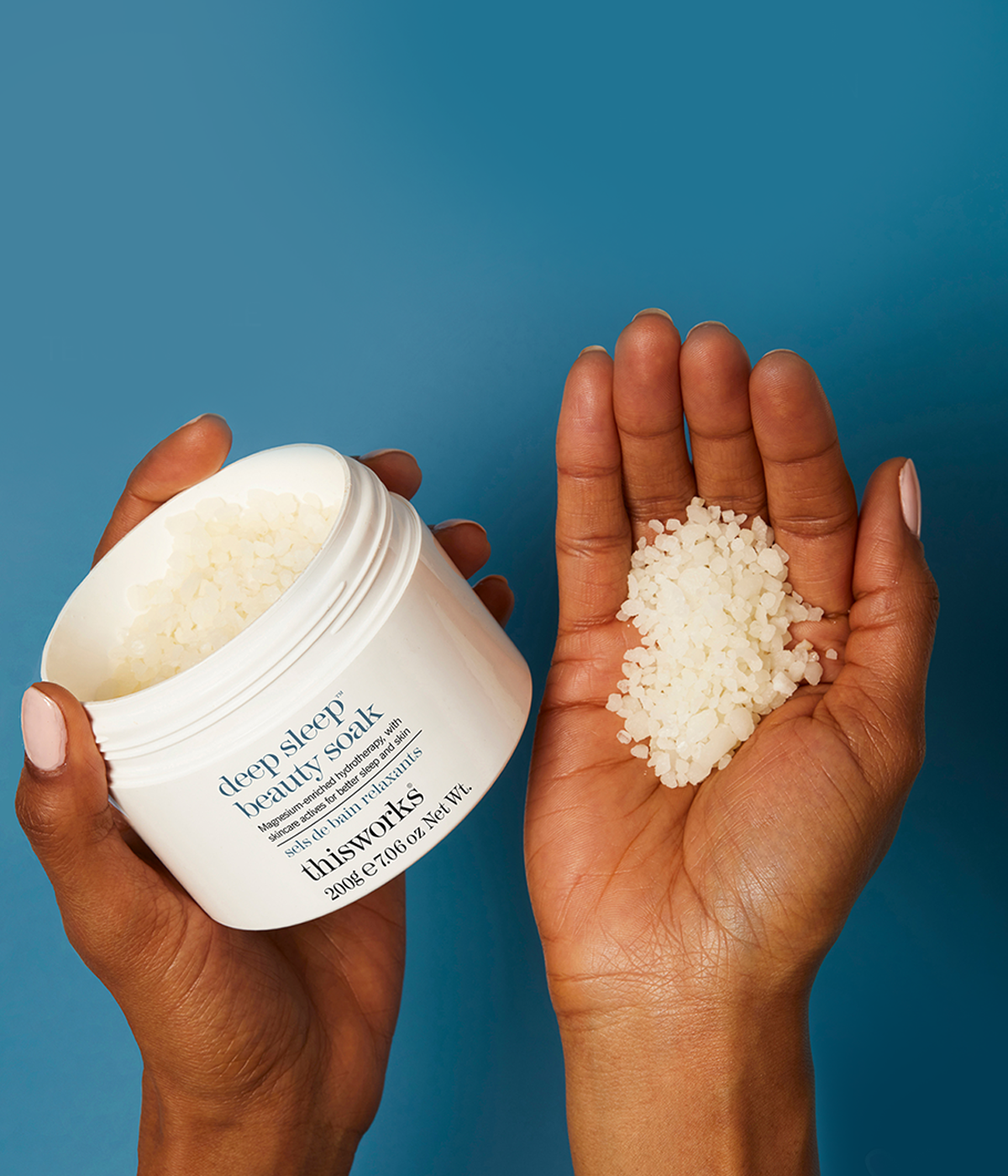
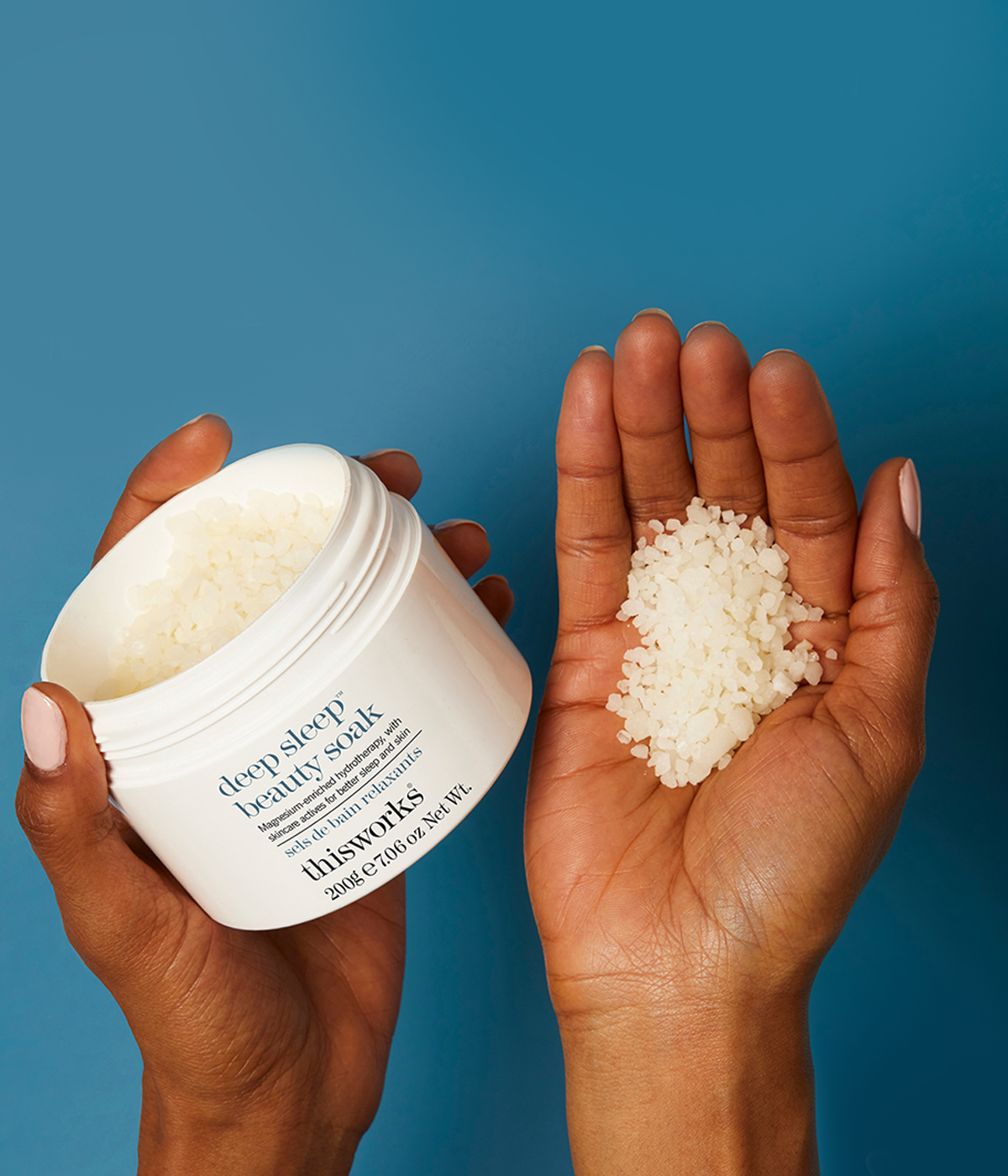
Bathing, breathing, touch, skincare and fragrance can all form part of a deliberate recovery ritual. This is sensory care: using carefully designed products and repeated rituals to support the body's natural transition from doing to recovery.
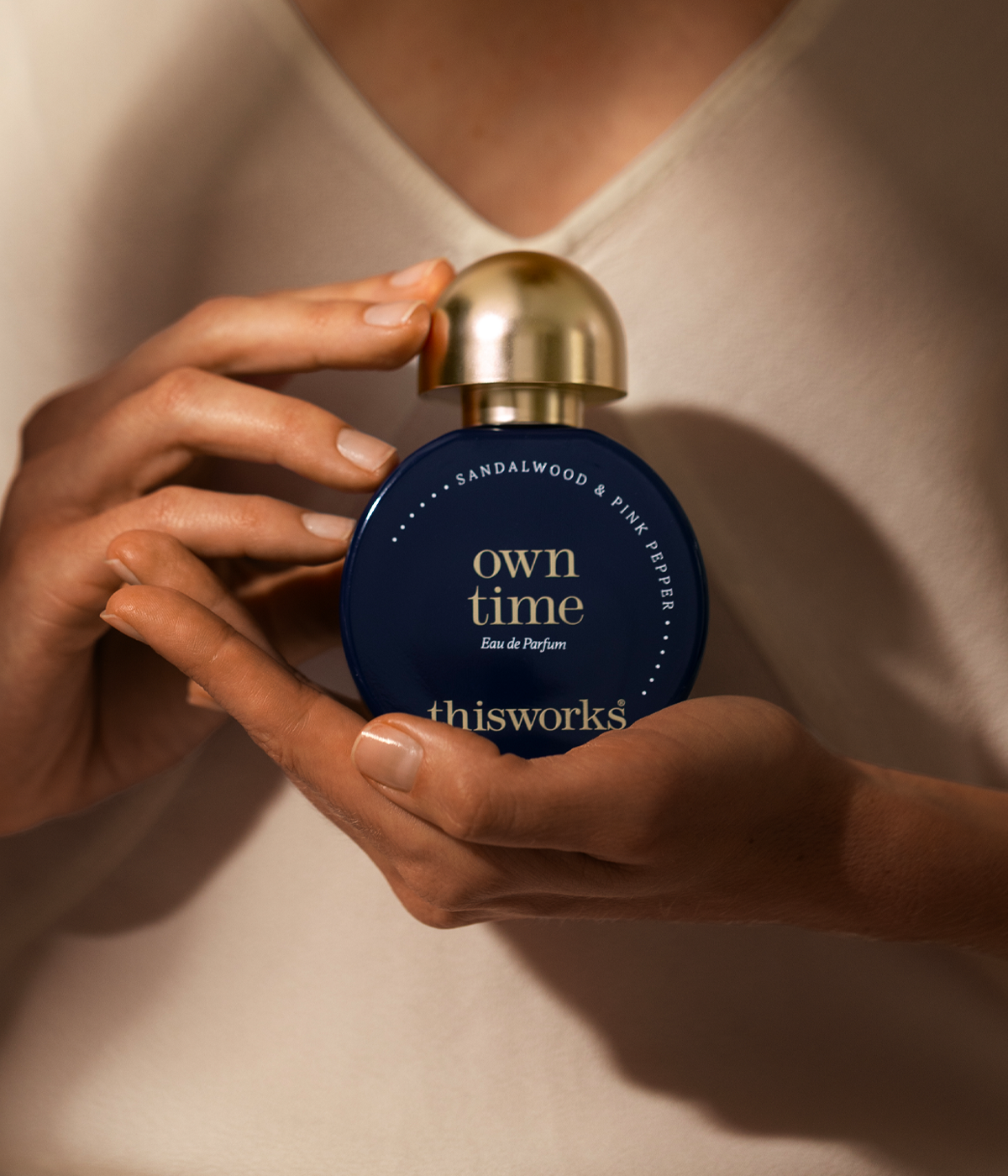
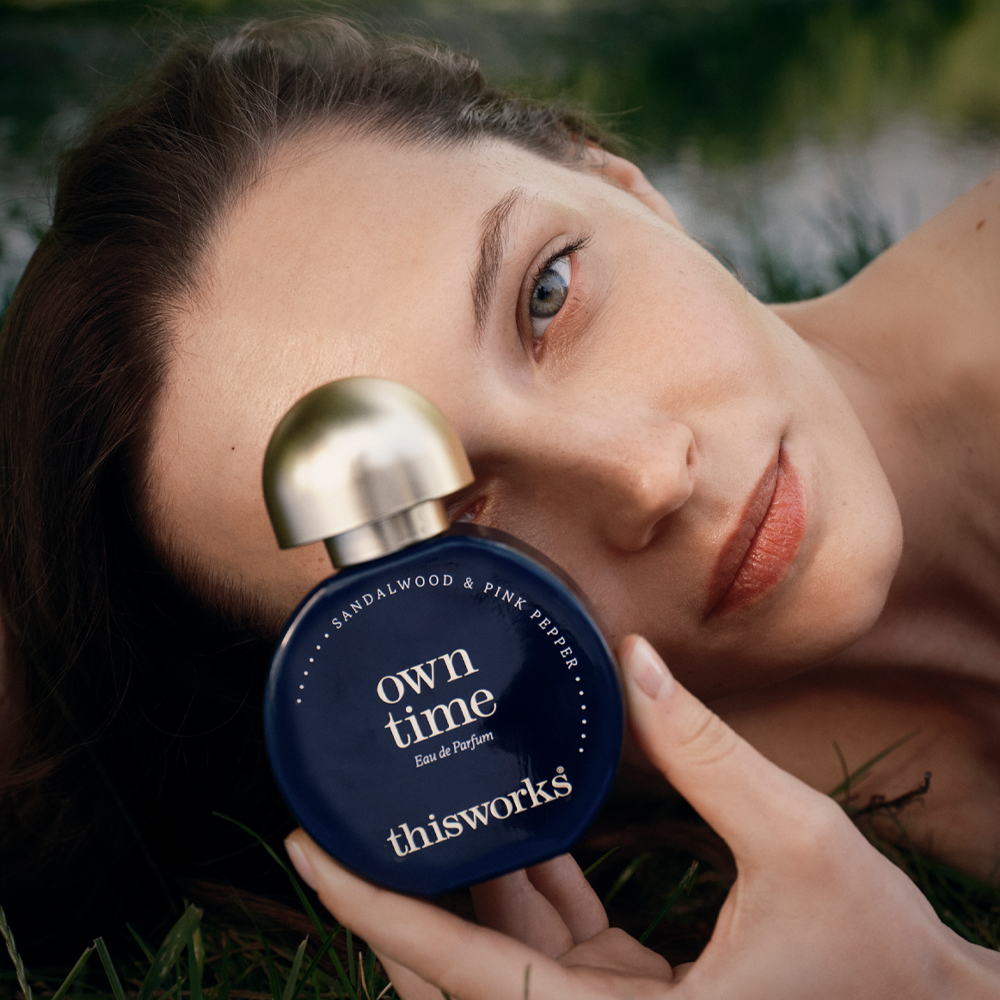
Terpenes are the aromatic building blocks of essential oils and Functional Fragrance, working with the Central Nervous System to alleviate stress, induce calm and improve sleep quality. This science underpins Deep Sleep's terpene-rich blend of Lavender, Camomile and Vetivert, and has evolved with Own Time, which builds on seven years of neuroscientific research and features a next-generation Sesquiterpene derived from Lavandin.

powered by terpenes, informed by neuroscience
At the heart of Functional Fragrance are terpenes: the aromatic building blocks naturally found in plants and essential oils. They give essential oils their characteristic scent, but their role goes beyond fragrance alone. When inhaled, terpene-rich aromas interact with olfactory pathways closely connected to areas of the brain involved in emotion, memory and arousal, making scent an important part of the sensory transition from alertness towards rest. As a pioneer of the Functional Fragrance category, This Works has spent more than two decades developing its understanding of how carefully constructed terpene-rich fragrance blends can be used to influence mood, behaviour and wellbeing. The Deep Sleep Functional Fragrance, also found across the Sleep Plus range, combines Lavender, Camomile and Vetivert - essential oils naturally rich in different terpene compounds and long associated with calm and relaxation. Lavender is particularly rich in Linalool and Linalyl Acetate, aromatic compounds widely studied for their calming properties. Camomile contains its own complex mix of monoterpenes and sesquiterpenes traditionally associated with relaxation, while Vetivert is composed predominantly of sesquiterpenes and sesquiterpenoids, giving the fragrance its grounding, earthy character. Rather than relying on one ingredient or molecule in isolation, This Works brings these terpene-rich oils together in a carefully balanced Functional Fragrance, designed to become part of a repeated pre-sleep ritual and provide the mind and body with a familiar sensory signal that the active part of the day is coming to an end. In a pilot fMRI study, the Deep Sleep Functional Fragrance was associated with activity in areas of the brain linked with emotion, pleasure and calmness, providing exploratory evidence for the relationship between the fragrance and a mental state more conducive to sleep.
sleep as recovery
During sleep, the brain and body are not inactive. Sleep supports memory consolidation, emotional processing, immune function, metabolic regulation and physical restoration. Different sleep stages perform different but interconnected functions, making both sleep duration and continuity important.
Deep non-REM sleep is strongly associated with physiological restoration and memory processes, while REM sleep is involved in emotional processing and learning. Fragmented or insufficient sleep can disrupt these functions.
So the question is not simply how quickly you fall asleep. It is: how well can you transition from the demands of your day into the biological conditions that allow recovery to happen?

why this works
This Works has spent over two decades studying the transition into recovery, combining sleep and circadian science with Functional Fragrance, skincare and sensory ritual to support key moments in the journey towards rest.
Across bathing, body care and overnight skincare, fragrance, temperature, water, massage and touch transform everyday beauty routines into intentional recovery rituals.
The aim is not to instruct the body how to sleep. The body already knows.
Our role is to help create the conditions that make switching off easier, more consistent and more effortless.
Because recovery doesn't begin when you fall asleep. It begins the moment you let go.

references
1. Mental Health UK. The Burnout Report 2026.
2. Mental Health UK. Research on workplace switching off, 2025.
3. Health and Safety Executive. Health and Safety at Work: Summary Statistics for Great Britain 2025.
4. Arzi A, et al. Humans can learn new information during sleep. Nature Neuroscience. 2012;15:1460-1465.
5. Rasch B, et al. Odor cues during slow-wave sleep prompt declarative memory consolidation. Science. 2007;315:1462-1465.
 sleep hygienewhen the clocks go back: how to help your body clock adjustAs the clocks go back, discover how the seasonal shift affects your sleep and the small changes that can help you adjust, with expert advice from Professor Gaby Badre and Lisa Artis, Deputy CEO of The Sleep Charity.read post
 expertsgetting on your nerves? episode 5: the September switchIn episode 5 of getting on your nerves?, Dr Anna Persaud is joined by medical doctor Dr Lana Gault to explore the September switch – how the transition from summer into autumn affects our physical health, mental wellbeing, sleep and...read post
 expertsgetting on your nerves? bonus episode: getting out of your head, into your bodyIn this Wellness Weekender special of getting on your nerves?, Dr Anna Persaud is joined by wellness expert and integrative therapist Esther Triviño to explore somatic yoga, interoception, nervous system regulation and how movement, breath, sound and sensory cues can...read post
 expertsgetting on your nerves? episode 4: wherever I lay my hatWhy can some people sleep anywhere, while others struggle as soon as their surroundings change? Dr Anna Persaud and Professor Gaby Badre explore sleep adaptability, circadian rhythm, nervous system regulation and how to become a more resilient sleeper when conditions...read post
 expertsgetting on your nerves? episode 3: the power of nowIn episode 3 of getting on your nerves?, Dr Anna Persaud is joined by psychotherapist and trauma expert Lauren Baird to explore why being present can feel so difficult. From negativity bias, fight or flight and the window of tolerance...read post
 expertsgetting on your nerves? episode 2: the upper body editIn episode 2 of getting on your nerves?, Dr Anna Persaud is joined by Dr Lana Gault and This Works ambassador Mithra Nandu to explore how stress and nervous system dysregulation show up in the upper body. From jaw tension,...read post
 expertsgetting on your nerves? episode 1: signs you are stressedIn episode 1 of getting on your nerves?, Dr Anna Persaud is joined by medical doctor Dr Lana Gault to explore how stress first shows up in the body and mind. From burnout, fatigue and disrupted sleep to fight or...read post
 sleep hygienecan you train your brain for bedtime?Can a familiar scent become a signal that it is time to sleep? Professor Gaby Badre explores the connection between scent, the brain and nervous system — and how repeated sensory cues may help support the transition from daytime alertness...read post
