how to build a sleep routine that changes your sleep quality within a week
Better sleep rarely comes from a single product or one early night. Discover how to create a simple, science-backed sleep routine that helps calm the nervous system, supports overnight recovery and improves sleep quality in just seven days.
why your sleep routine matters more than you think
We often think of sleep as something that simply happens when we're tired enough. Yet quality sleep begins long before you climb into bed.
From the moment you wake up, your body is gathering information that influences how easily you will fall asleep that evening. Light exposure, stress levels, meal timing, movement, screen use and evening habits all affect your Circadian Rhythm, your internal 24-hour body clock that regulates sleep and wakefulness.
This is why the most effective sleep products work best as part of a consistent ritual rather than as standalone solutions.
The good news? You do not need months to see a difference. Small, intentional changes can help support better sleep surprisingly quickly. Within a week, many people notice improvements in how easily they fall asleep, how rested they feel in the morning and how well they recover overnight.
Here's how to build a sleep routine that works with your biology, not against it.
day one: start with your wake-up time
If there is one habit that can transform your sleep, it is waking up at the same time every day.
Your Circadian Rhythm thrives on consistency. Regular wake times help anchor the body's internal clock, making it easier to feel sleepy when bedtime arrives.
Even if you have had a poor night's sleep, try to avoid sleeping in significantly later than usual. Consistency today helps build better sleep tomorrow.
Within a few days, many people notice they naturally begin feeling tired at a more predictable time each evening.
day two: create a wind-down window
One of the biggest challenges facing modern sleepers is that we often expect ourselves to move straight from activity into sleep.
The reality is that the nervous system needs time to transition.
Think of the hour before bed as a landing strip for sleep. Instead of answering emails, scrolling social media or tackling household tasks, begin introducing activities that encourage calm.
Try:
- Dimming overhead lights
- Reading a book
- Gentle stretching
- Journalling
- Listening to relaxing music
- Taking a warm bath
The goal is not perfection. It is consistency.
When repeated nightly, these behaviours become cues that tell the brain sleep is approaching.
day three: make scent part of your ritual
The sense of smell has a unique relationship with the brain. Unlike many other senses, scent has direct connections to areas involved in emotion, memory and behaviour.
This is why fragrance can play such an important role in creating sleep associations.
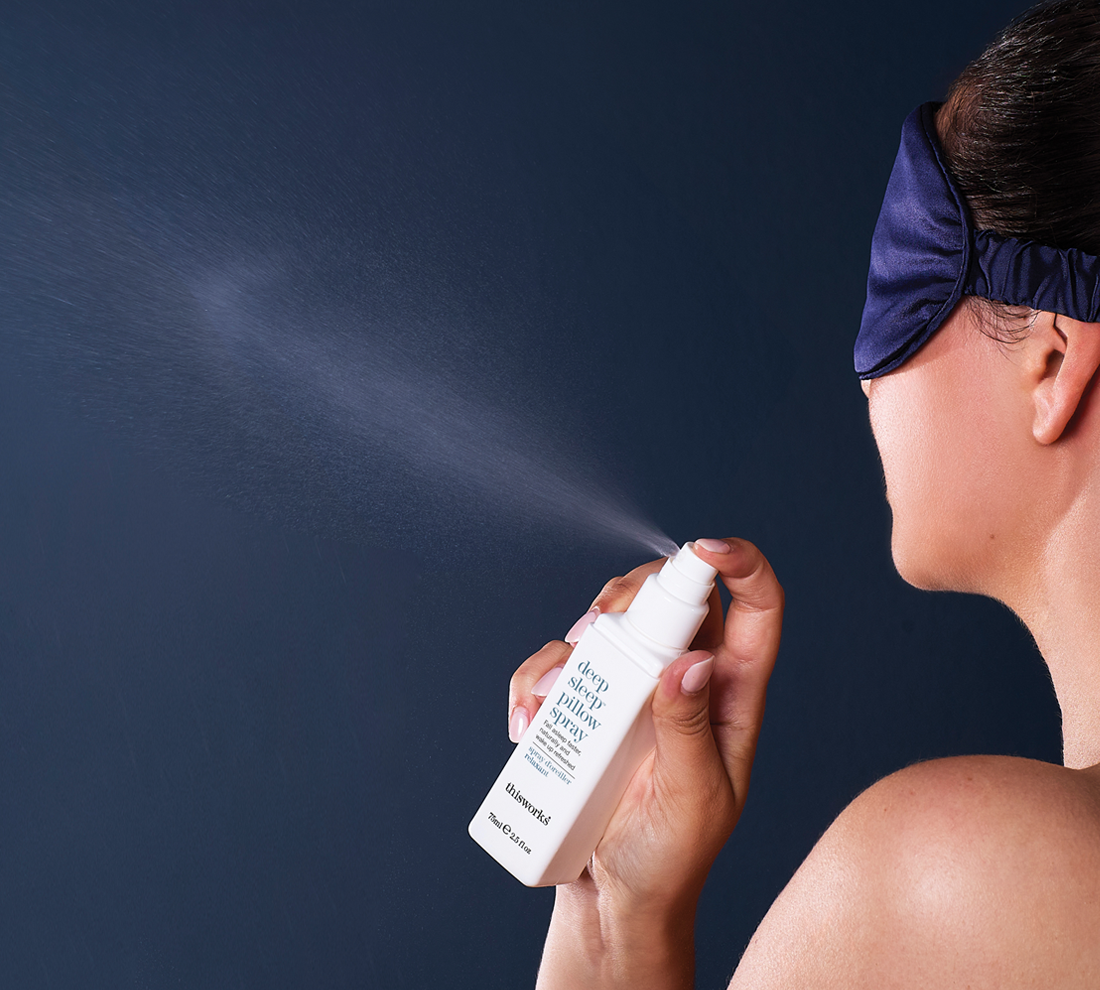
A pillow spray or sleep spray used consistently each evening can become a powerful signal that it is time to switch off.
Our iconic deep sleep pillow spray combines Lavender, Camomile and Vetivert in a natural aromatherapeutic Superblend designed to calm both mind and body before bed. Simply spritz onto your pillow and bedding as the final step in your evening routine.
In a study of 100 subjects and 100 ex-prescription users, 89% fell asleep faster than usual, 98% felt more refreshed in the morning and 97% slept better after using products from the Deep Sleep collection.* Panel tested.
Whether you call it a sleeping spray, deep sleep spray or lavender pillow spray, consistency is what helps create the strongest bedtime association.
day four: create a bedtime ritual worth looking forward to
One of the most effective ways to improve sleep quality is to make your evening routine feel enjoyable rather than restrictive.
When bedtime becomes associated with comfort, calm and self-care, it becomes much easier to maintain healthy habits consistently.
A warm bath can be an ideal place to begin. Deep sleep bath oil combines Lavender, Camomile and Vetivert in a luxurious spa-strength formula designed to help you unwind at the end of the day. As the warm water helps ease physical tension, the calming aroma creates a sensory cue that encourages the mind to slow down.
These small rituals may seem simple, but they can help reinforce the transition from daytime activity into evening restoration.
day five: support overnight recovery
Sleep is one of the most important recovery tools available to us.
During sleep, the body undergoes numerous restorative processes. The nervous system recalibrates, the mind processes information and the skin enters an important phase of renewal. This is why we often say that sleep is the first step in any skincare routine.
Supporting overnight recovery starts before your head reaches the pillow.
After bathing, try applying deep sleep beauty oil to the face and body. This advanced overnight treatment combines high-performance botanical oils, Bakuchiol and the Deep Sleep Functional Fragrance to help support skin barrier integrity while preparing the body and mind for sleep.
The act of slowly massaging oil into the skin also encourages a mindful pause at the end of the day. A few quiet moments spent caring for yourself can become a powerful signal that the day is complete and rest is beginning.
day six: calm the mind, not just the body
Many sleep challenges begin in the mind rather than the bedroom.
If racing thoughts keep you awake, it may be helpful to create a brief evening practice that allows you to mentally "clock off".
This could be:
- Writing tomorrow's to-do list
- Practising gratitude
- Deep breathing exercises
- A short meditation
- Gentle stretching
Research into the nervous system continues to reveal how closely stress and sleep are connected. This Works has spent years working alongside neuroscientists to better understand this relationship and develop sleep aids that support the body's natural transition into rest.
The aim is not to stop thoughts entirely. It is to create enough calm that sleep can arrive naturally.
day seven: build a routine you can actually keep
The most effective sleep routine is not the most complicated one.
It is the one you will follow consistently.
A simple seven-day framework might look like this:
one hour before bed
- Lower the lights
- Put screens away
- Enjoy a warm bath with deep sleep bath oil
thirty minutes before bed
- Apply deep sleep beauty oil to face and body
- Read, journal or practise mindful breathing
at bedtime
- Mist your pillow with deep sleep pillow spray
- Keep your bedroom cool and comfortable
- Allow yourself to unwind naturally
Over time, your brain begins to recognise these repeated cues and associate them with sleep.
That is the real power of ritual.
better sleep begins with small changes
When people search for the best sleep spray, sleep aids or sleep products, they are often hoping for a quick fix.
The truth is that lasting sleep improvements usually come from a combination of supportive products and consistent habits.
The encouraging news is that those habits do not need to be complicated.
A regular bedtime, a calming environment, a warm bath, a nourishing overnight ritual and a trusted sleep spray can work together to support deeper, more restorative sleep.
Within a week, you may notice that falling asleep feels easier. Within a few weeks, those habits can become second nature.
Because great sleep is not built in a single night.
It is built through small rituals, repeated consistently, that help the body and mind find their way back to rest.
references
*Deep Sleep collection panel tested results: 89% fell asleep faster than usual, 98% felt more refreshed in the morning and 97% slept better. In a study of 100 subjects and 100 ex-prescription users.
sleep hygiene: related posts
 sleep hygienecan you train your brain for bedtime?Can a familiar scent become a signal that it is time to sleep? Professor Gaby Badre explores the connection between scent, the brain and nervous system — and how repeated sensory cues may help support the transition from daytime alertness...read post
 sleep hygienewhen the brain won’t switch off: understanding chronic insomniaWhy can sleep remain difficult long after the original trigger has passed? Professor Gaby Badre explores the science of chronic insomnia, the hyperarousal that can keep the brain alert at night, and how the brain can be retrained for sleep.read post
 red lightRed Magazine features Dr Anna Persaud’s story: can we use our senses to make us feel safe?In Red, Dr Anna Persaud shares her personal experience of anxiety and how neuroscience, therapy and sensory rituals helped her understand her nervous system – and find new ways to switch off.read post
 skincare concernsin transit no traces featured in British Vogue: the cleansing essential for hard waterOur in transit no traces cleansing pads have been featured in British Vogue as a Vogue-approved skincare solution for hard water, helping remove lingering residue without the need to rinse.read post
 fragranceOwn Time Eau de Parfum featured in Refinery29: the connection between scent and wellbeingOwn Time Eau de Parfum features in a personal Refinery29 exploration of fragrance, self-care and endometriosis, with our CEO Dr Anna Persaud sharing the science behind scent, memory and emotion.read post
 bodycare concernssummer skin recoverySummer may leave skin dry, dull and depleted, but recovery is about more than restoring your glow. Discover how intelligent skincare, technology and the power of touch can help replenish post-summer skin while reconnecting you with the body you live...read post
 sleep hygienethe science of switching off – a Doctor’s perspectiveDr Lana Gault explores the science behind switching off, from nervous system regulation and circadian rhythms to the simple, repeatable cues that can help prepare the body and brain for sleep.read post
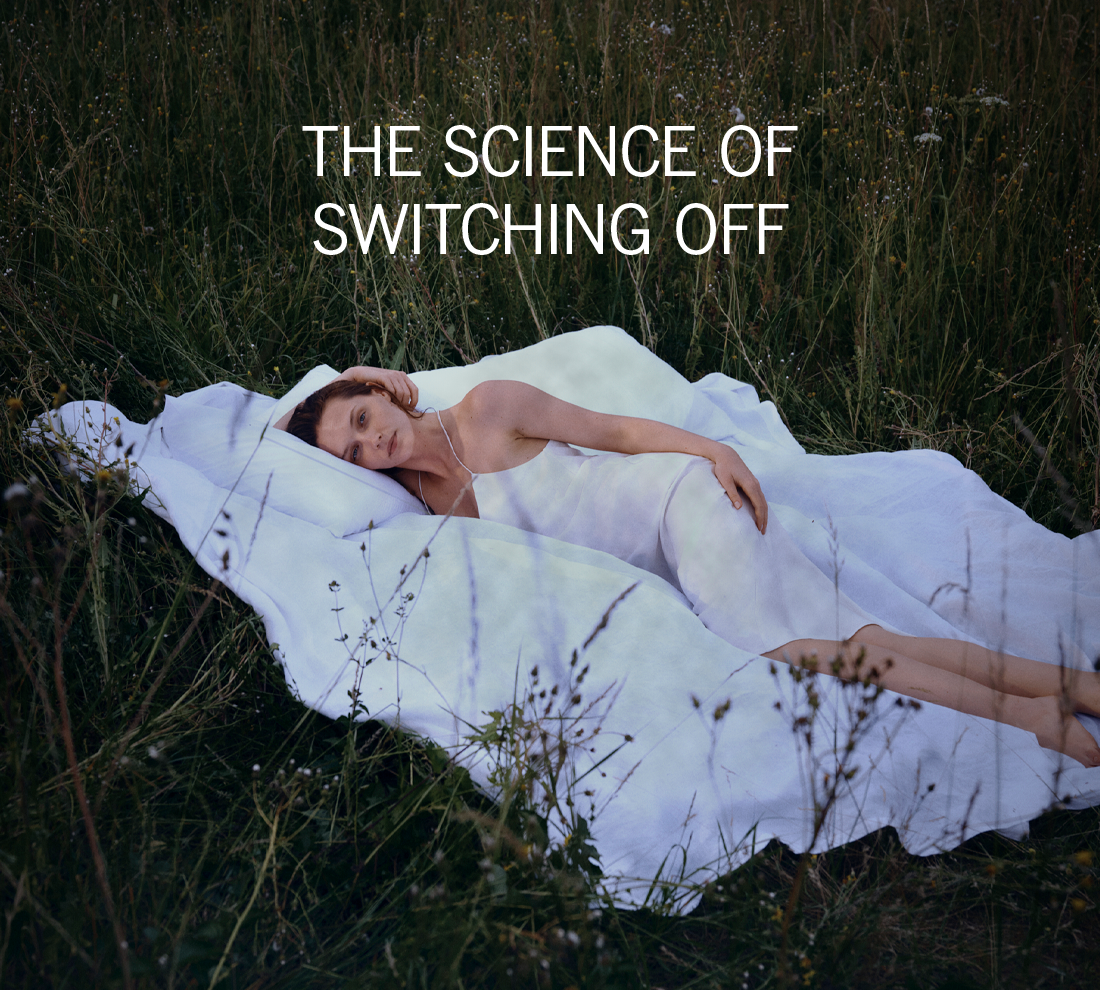 sleep hygienethe science of switching offYou don’t just have a sleep problem, you have a switching off problem. Sensory care rituals and neuroscience-informed products designed to support the transition into sleep and recovery.read post

