best red light therapy devices: what to look for before you buy
Red light therapy has become one of the most talked-about beauty technologies in recent years. But with so many devices available, how do you know which one is right for you? Discover the science behind red light therapy, the benefits to look for, and how to choose a red light therapy device that fits your skincare goals.

why red light therapy is having a moment
From celebrity facialists to dermatology clinics, red light therapy has become one of the fastest-growing trends in skincare.
Once only available in professional treatment settings, advances in technology have made at home red light therapy more accessible than ever. Today, consumers can choose from a wide range of devices designed to support visible improvements in skin tone, texture and firmness from the comfort of home.
But not all red light therapy devices are created equal.
Understanding how red light therapy works and what to look for before you buy can help you make a more informed choice.
what is red light therapy?
Red light therapy is a non-invasive treatment that uses specific wavelengths of visible red light to support the skin's natural renewal processes.
The technology works through a process called photobiomodulation, which describes how light interacts with cells. In simple terms, certain wavelengths of light can be absorbed by the skin, helping to support cellular activity associated with healthier-looking skin.¹
Unlike ultraviolet (UV) light, which can contribute to skin damage, red light therapy uses carefully selected wavelengths that have been widely studied within both medical and cosmetic settings.
This is why red light therapy has become increasingly popular among those looking to support visible skin results without invasive procedures.
what are the benefits of red light therapy?
One reason interest in red light therapy continues to grow is the wide range of potential skincare applications being explored by researchers.
Some of the most commonly discussed red light therapy benefits include supporting:
- The appearance of firmer-looking skin
- Skin texture and smoothness
- More even-looking skin tone
- Overall skin radiance
- The appearance of fine lines and wrinkles
- Skin renewal processes
While results vary from person to person, consistency is often the most important factor. Like many skincare treatments, red light therapy delivers its best results when used regularly over time.
what should you look for in a red light therapy device?
With so many options on the market, choosing the right red light therapy device can feel overwhelming.
Here are some key considerations.
clinically used wavelengths
One of the most important factors is wavelength.
Different devices use different wavelengths of light, which can influence how deeply the light penetrates the skin.
Look for brands that clearly communicate the wavelengths used within their technology and explain the science behind their approach.
comfort and ease of use
The best red light therapy device is often the one you'll use consistently.
If a device feels complicated or inconvenient, it is less likely to become part of your regular skincare routine.
Comfortable, wearable designs can help make treatments easier to incorporate into everyday life.
treatment area
Consider which areas you would like to target.
Some red light therapy devices are designed specifically for the face, while others may focus on the neck, décolleté or larger areas of the body.
Choosing a device that aligns with your skincare goals can help create a more personalised experience.
scientific credibility
As interest in red light therapy grows, so does the number of products entering the market.
Look for brands that explain their technology clearly, reference scientific research and provide guidance on how to use their devices effectively.
why skincare and red light therapy work best together
One of the biggest misconceptions surrounding red light therapy is that the device alone does all the work.
At This Works, we believe the most effective approach combines technology with intelligent skincare.
Where red light therapy meets intelligent skincare, powerful routines can be created.
Our Red Light collection combines clinically used LED wavelengths with targeted skincare, pairing a red light therapy device with red light power serum to help support visible improvements in tone, texture and firmness.
The system is designed to help enhance treatment performance while supporting visible skin results.
Light delivers. Skincare enhances.
red light therapy for skin: building an effective routine
Creating a successful routine does not need to be complicated.
A simple red light therapy for skin routine might look like this:
step one: cleanse
Begin with clean skin to ensure there are no barriers between the light and the skin's surface.
step two: apply red light power serum
Targeted skincare can help complement your red light therapy routine and support visible skin results.
step three: use your red light therapy device
Follow the recommended treatment time for your chosen device.
step four: stay consistent
Consistency matters more than intensity.
Like many skincare technologies, visible improvements often build gradually over time through regular use.
is at home red light therapy worth it?
For many people, the biggest advantage of at home red light therapy is convenience.
Rather than scheduling regular clinic visits, treatments can be incorporated into existing skincare routines.
The key is choosing a system that feels achievable and enjoyable to use consistently.
When combined with targeted skincare and realistic expectations, at home red light therapy can become a valuable addition to a long-term skincare routine.
how to choose the best red light therapy device for you
The best red light therapy device is not necessarily the most expensive or the one with the longest list of features.
Instead, look for a device that:
- Uses clinically relevant technology
- Fits comfortably into your routine
- Aligns with your skincare goals
- Is supported by credible science
- Works alongside targeted skincare products
Ultimately, successful red light therapy is about consistency.
When used regularly as part of a thoughtful skincare routine, red light therapy can help support visible improvements in skin tone, texture and firmness over time.
Because the most effective skincare routines are not built around a single product or device.
They are built around intelligent systems that work together.
references
- Avci P, Gupta A, Sadasivam M, et al. Low-level light therapy (photobiomodulation) for skin: stimulating, healing, restoring. Seminars in Cutaneous Medicine and Surgery. 2013;32(1):41-52.
- Barolet D. Light-emitting diodes (LEDs) in dermatology. Seminars in Cutaneous Medicine and Surgery. 2008;27(4):227-238.
- Hamblin MR. Mechanisms and applications of the anti-inflammatory effects of photobiomodulation. AIMS Biophysics. 2017;4(3):337-361.
 joywellness weekender: five days to reconnect with your nervous systemJoin us this August Bank Holiday for five days of neuroscience-led rituals designed to help you regulate your nervous system through sensory care. Together we'll explore aroma, light, touch, movement and mindful self-assessment, discovering how small daily rituals can create...read post
 joythe wellness gift guide: how to choose something worth givingFinding the perfect gift isn't about spending more—it's about choosing something thoughtful. Whether you're shopping for wellness gift sets, skincare gift sets, relaxation gifts or sleep gifts for someone special, discover how to choose gifts that encourage rest, relaxation and...read post
 joywellness gifts for new mums: what they actually needThe best gifts for new mums aren't always the biggest—they're the ones that help her feel cared for. Whether you're shopping for a baby shower, celebrating a new arrival or simply letting someone know you're thinking of them, discover thoughtful...read post
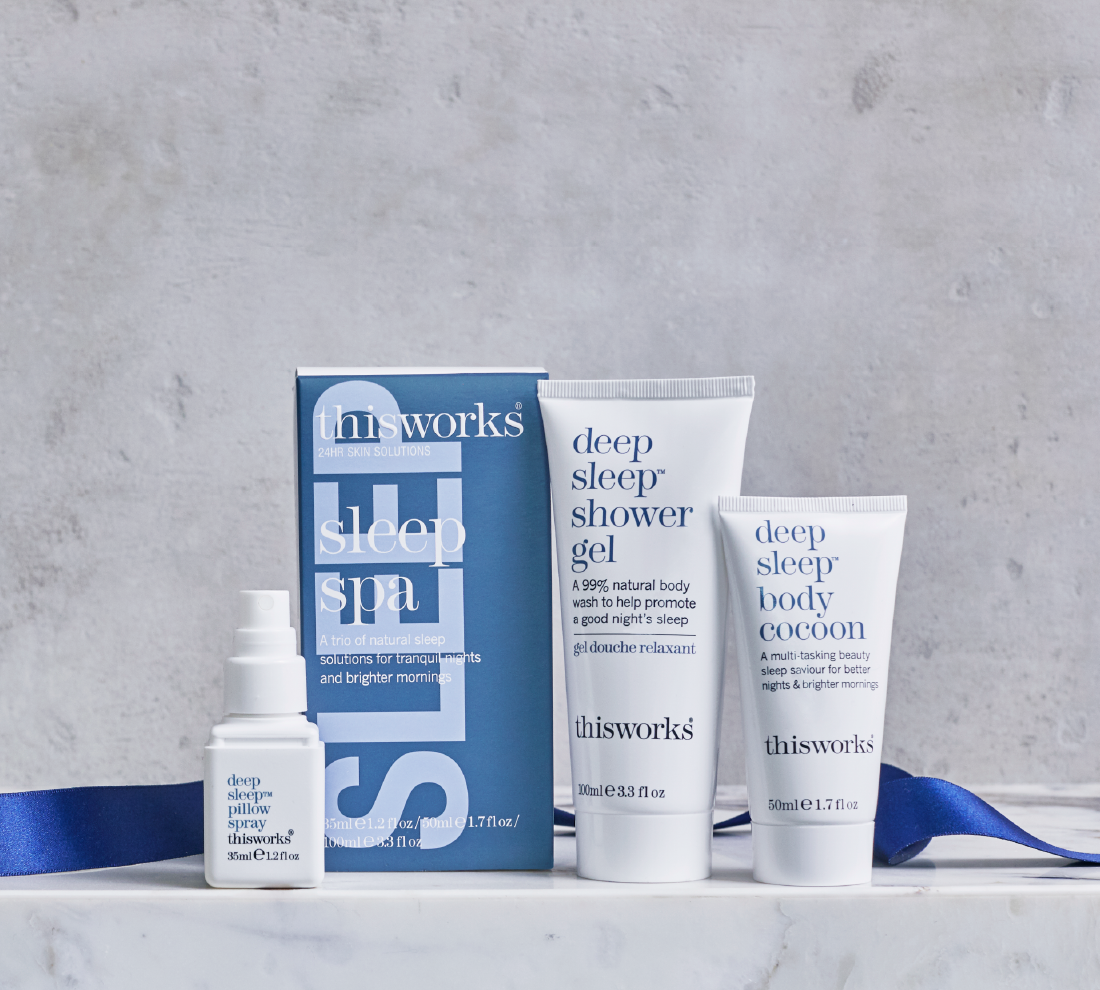 joythe best wellness gift sets: tried, tested and worth the investmentThe best gifts become part of someone's everyday routine. Whether you're shopping for wellness gift sets, sleep gifts, pamper gift sets or skincare gift sets, discover thoughtfully curated collections designed to support better sleep, relaxation and everyday wellbeing long after...read post
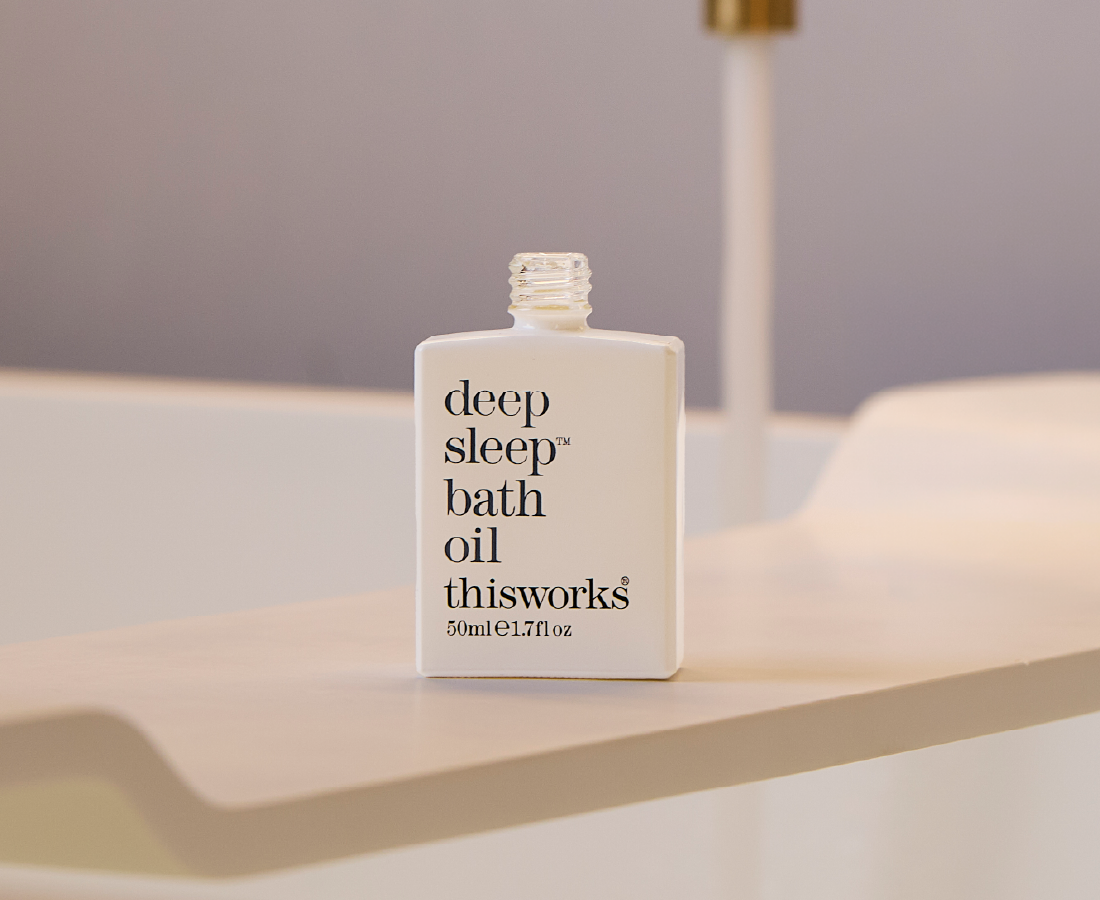 breathworkhow to build a bathing ritual that genuinely helps you switch off and sleepAfter a busy day, switching off isn't always as simple as climbing into bed. Stress, screen time and busy schedules can make it harder for both your mind and body to recognise that it's time to rest. A consistent bathing...read post
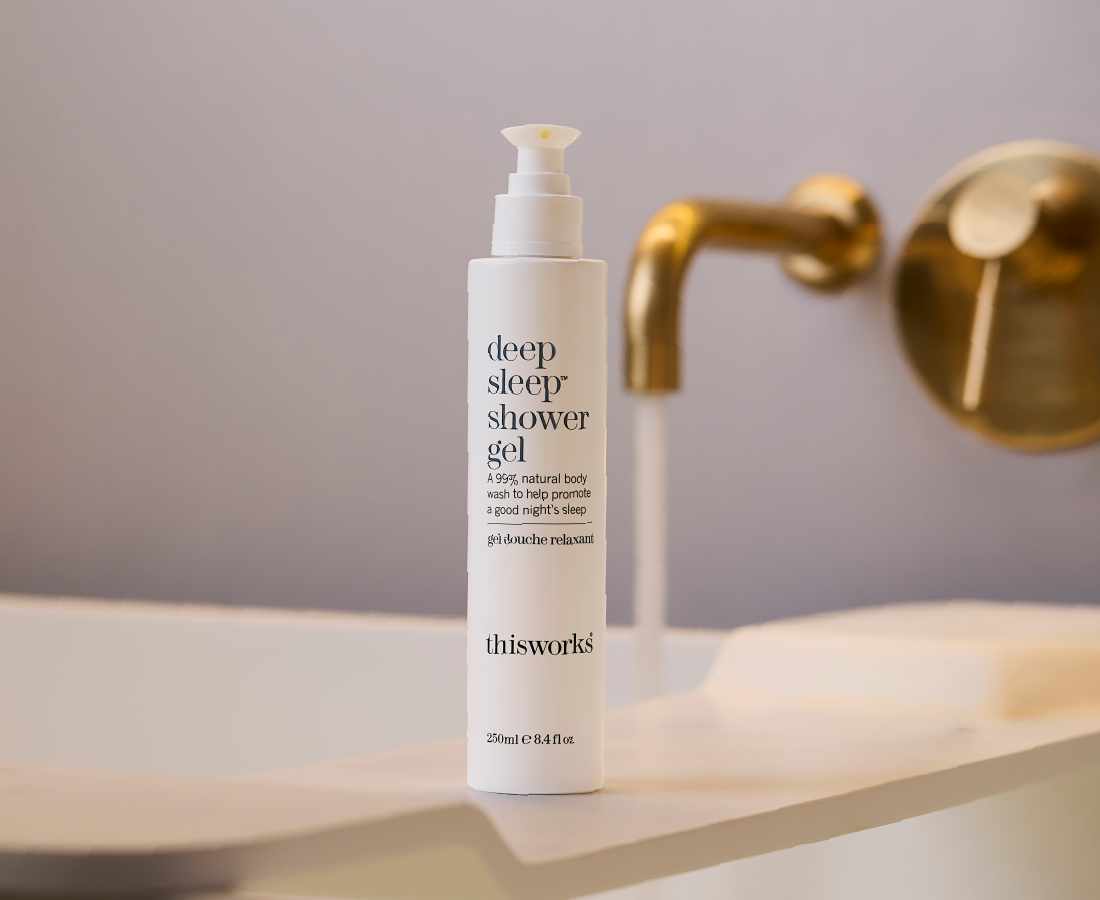 breathworkcan a bath really improve your sleep? what the science saysCan a warm bath before bed really help you sleep better? Science suggests it can. Discover how a simple evening bathing ritual, paired with bath oils, bath salts, calming home fragrance and scented candles, may support your body's natural sleep...read post
 breathworkthe best bath and shower products for an evening wind-down ritualThe products you choose before bed can help shape a more relaxing evening routine. Discover how bath oils, bath salts, shower gel, scented candles and home fragrance work together to create a calming bathing ritual that supports relaxation, nourishes skin...read post
 fragrancehow scent affects your mood: the neuroscience of fragrance explainedCan fragrance do more than simply smell beautiful? Discover the neuroscience behind scent, why your brain responds so powerfully to aroma, and how Functional Fragrance is helping redefine perfume as part of a modern wellbeing ritual.read post

