









how sound shapes your nervous system, with Professor Gaby Badre
From birdsong and music to the voice of someone you love, sound has a profound influence on the way your brain and nervous system function. Our expert scientific advisor, Professor Gaby Badre, explains why hearing is much more than one of our five senses, how sound continues to shape your body even while you sleep, and why creating a calmer sound environment may help support better sleep, lower stress and overall wellbeing.


introduction
Sound is an ever-present part of our lives, yet its influence on the brain and nervous system is often overlooked. While vision is usually considered our dominant sense, hearing is unique because it never truly switches off. Unlike our eyes, which we can close, our ears remain active even while we sleep, constantly monitoring our surroundings for signals of safety or potential danger.
Far from simply allowing us to hear the world around us, sound continuously influences how we think, feel and function. It can alter stress levels, affect heart rate, shape our emotions, influence memory and attention, and even determine how well we sleep.
Some sounds naturally encourage relaxation. Gentle rainfall, birdsong, flowing water or the reassuring voice of someone we trust signal that our environment is safe. Others, including alarms, heavy traffic or unpredictable noise, trigger alertness and prepare the body to respond.
Understanding how sound interacts with the nervous system helps us appreciate that what we hear every day is much more than background noise. It is a biological signal that continuously influences our wellbeing.

how your brain processes sound
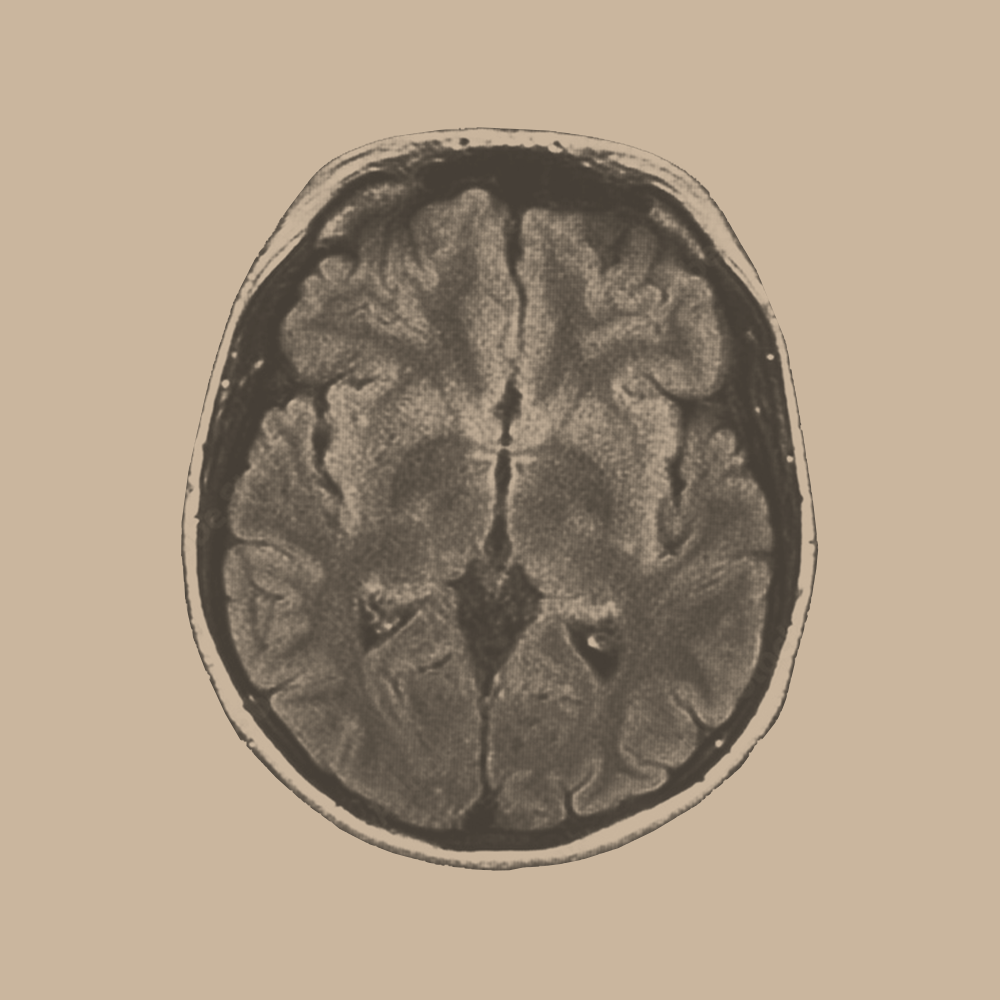
Every sound begins as a vibration travelling through the air. These sound waves enter the ear, where they are converted into electrical signals by specialised hair cells inside the cochlea, a spiral-shaped structure within the inner ear.
These signals then travel to multiple areas of the brain. One pathway allows us to recognise and interpret what we are hearing, while another rapidly reaches regions involved in emotion, memory and survival.
This explains why certain sounds can trigger an emotional response almost instantly. A sudden bang may make your heart race before you even know what caused it, while a familiar song can transport you back to a particular place or moment in your life.
The brain is constantly asking one simple question:
Does this sound mean I am safe?
The answer shapes your body's response long before you consciously think about it.
how sound influences your nervous system
One of the most important systems affected by sound is the autonomic nervous system, which controls automatic functions such as breathing, heart rate, blood pressure and digestion.
This system has two main branches.
The sympathetic nervous system prepares the body for action. Often known as the "fight or flight" response, it increases alertness and helps us respond to challenges.
The parasympathetic nervous system, often called the "rest and digest" system, encourages relaxation, recovery and repair.
Throughout the day, your brain uses sound as one way of deciding which system should take the lead.
An alarm, shouting or persistent traffic noise can quickly activate the sympathetic nervous system. Heart rate rises, breathing becomes faster and stress hormones such as cortisol are released.
In contrast, calming music, nature sounds and familiar voices may encourage parasympathetic activity, helping slow the heart rate, reduce blood pressure and support recovery after a busy day.
Researchers are also exploring how music and vocal activities may improve heart rate variability, a measure of how adaptable and resilient the nervous system is. Higher heart rate variability is generally associated with better recovery from stress and greater overall wellbeing.

why sound matters for sleep
Although we lose consciousness when we fall asleep, our hearing never completely switches off.
Throughout the night, the brain continues monitoring the environment, allowing us to respond to important sounds while filtering out those that are familiar or unimportant.
Modern life, however, presents a challenge.
Traffic, aircraft, noisy neighbours and other environmental sounds can repeatedly interrupt sleep. Even when these noises are not loud enough to wake us fully, they may trigger tiny interruptions known as micro-arousals.
These brief disturbances often go unnoticed, yet they can increase heart rate, activate the body's stress response and reduce the amount of deep sleep and REM sleep we experience.
Deep sleep and REM sleep are essential for memory, emotional regulation, immune function and physical recovery. Repeated disruption may leave us feeling less refreshed, less focused and more stressed the following day.
Fortunately, carefully chosen sounds may also help support sleep.
Nature sounds, calming music and consistent bedtime soundscapes can help reduce the impact of disruptive environmental noise while encouraging the nervous system to transition towards a more restful state.
Researchers are also investigating pink noise, a gentle sound similar to rainfall, which may help reinforce the brain's natural deep sleep rhythms. While research is ongoing, these findings highlight the close relationship between sound and healthy sleep.

when sound becomes harmful
Not all sound benefits our health.
Long-term exposure to loud environments can permanently damage the delicate hair cells within the inner ear, leading to irreversible hearing loss.
Chronic environmental noise may also have wider effects on the body. Persistent exposure to traffic, aircraft or industrial noise can keep the nervous system in a prolonged state of alertness, increasing stress hormone levels and placing additional strain on the cardiovascular system.
The World Health Organization now recognises environmental noise as one of the leading environmental health risks in Europe, with growing evidence linking chronic noise exposure to poorer sleep, increased stress and reduced overall wellbeing.

the relaxing power of sound
Fortunately, the opposite is also true.
Gentle, predictable sounds can provide reassuring signals that help the brain shift away from vigilance and towards recovery.
Nature soundscapes, slow instrumental music and harmonious rhythms have all been associated with lower heart rate, reduced blood pressure and a greater sense of calm.
Many of these sounds may remind the brain of environments that have historically been safe, allowing the nervous system to relax.
This may explain why spending time in nature, listening to birdsong or simply hearing the reassuring voice of a loved one can feel so restorative.

the future of sound and neuroscience
As our understanding of the brain grows, researchers are increasingly exploring how sound can support health and wellbeing.
Music therapy is already used in many healthcare settings to help reduce anxiety, improve mood and support rehabilitation.
Scientists are also investigating sound-based approaches including binaural beats, vibroacoustic therapy and carefully timed sounds during sleep to better understand how auditory stimulation may support relaxation, recovery and cognitive function.
Although research continues to evolve, one thing is already clear: sound is far more than something we hear. It is something our nervous system continuously responds to.

conclusion
Every day, sound influences the brain in ways we rarely notice. It shapes our emotions, affects our physiology and helps determine whether our nervous system remains alert or moves towards rest and recovery.
While we cannot always control the sounds around us, we can become more intentional about the environments we create, particularly during the evening. Reducing unnecessary noise, listening to calming music or nature sounds and following a consistent bedtime ritual can all help support the transition towards restful sleep.
At This Works, we believe the environment you create before bed matters. Pairing a peaceful soundscape with relaxing evening rituals, such as dimming the lights and incorporating the calming aroma of our Deep Sleep collection, may help support your nervous system as it prepares for a restorative night's sleep.
Understanding the science behind sound reminds us that every day our nervous system is listening. By choosing environments that promote calm rather than constant stimulation, we can better support both sleep and overall wellbeing.
 expertsgetting on your nerves? episode 5: the September switchIn episode 5 of getting on your nerves?, Dr Anna Persaud is joined by medical doctor Dr Lana Gault to explore the September switch – how the transition from summer into autumn affects our physical health, mental wellbeing, sleep and...read post
 expertsgetting on your nerves? bonus episode: getting out of your head, into your bodyIn this Wellness Weekender special of getting on your nerves?, Dr Anna Persaud is joined by wellness expert and integrative therapist Esther Triviño to explore somatic yoga, interoception, nervous system regulation and how movement, breath, sound and sensory cues can...read post
 expertsgetting on your nerves? episode 4: wherever I lay my hatWhy can some people sleep anywhere, while others struggle as soon as their surroundings change? Dr Anna Persaud and Professor Gaby Badre explore sleep adaptability, circadian rhythm, nervous system regulation and how to become a more resilient sleeper when conditions...read post
 expertsgetting on your nerves? episode 3: the power of nowIn episode 3 of getting on your nerves?, Dr Anna Persaud is joined by psychotherapist and trauma expert Lauren Baird to explore why being present can feel so difficult. From negativity bias, fight or flight and the window of tolerance...read post
 expertsgetting on your nerves? episode 2: the upper body editIn episode 2 of getting on your nerves?, Dr Anna Persaud is joined by Dr Lana Gault and This Works ambassador Mithra Nandu to explore how stress and nervous system dysregulation show up in the upper body. From jaw tension,...read post
 expertsgetting on your nerves? episode 1: signs you are stressedIn episode 1 of getting on your nerves?, Dr Anna Persaud is joined by medical doctor Dr Lana Gault to explore how stress first shows up in the body and mind. From burnout, fatigue and disrupted sleep to fight or...read post
 sleep hygienecan you train your brain for bedtime?Can a familiar scent become a signal that it is time to sleep? Professor Gaby Badre explores the connection between scent, the brain and nervous system — and how repeated sensory cues may help support the transition from daytime alertness...read post
 sleep hygienewhen the brain won’t switch off: understanding chronic insomniaWhy can sleep remain difficult long after the original trigger has passed? Professor Gaby Badre explores the science of chronic insomnia, the hyperarousal that can keep the brain alert at night, and how the brain can be retrained for sleep.read post
