

red light and circadian skin science: a research review by our expert Professor Gaby Badre
Neuroscientist Professor Gaby Badre explores the science behind red light therapy, from cellular repair to circadian rhythms, and what recent studies reveal about timing, efficacy, and skin health.


what is red light therapy and why it matters now
Photobiomodulation, or PBM, refers to the use of low-intensity red or near-infrared light to stimulate biological activity without heating or damaging tissue. In dermatology, red light typically falls within the range of about 620 to 700 nm, sometimes used alone and sometimes combined with near infrared wavelengths. Over recent years, PBM has moved from a relatively specialised technique to a more widely discussed approach in wound care, skin rejuvenation, post-procedure recovery, and support for inflammatory skin conditions.
Interest in this field has grown alongside a broader change in the understanding of the skin. Rather than being viewed only as a protective barrier, the skin is now recognised as an active organ with its own daily biological rhythms. Many skin functions vary across the day, including cell renewal, barrier repair, oil production, inflammation, protection against oxidative stress, and DNA repair. This means that the skin does not respond in exactly the same way at all times.
This is important for PBM because red light is thought to influence several of these same processes, especially cellular energy production, repair, and inflammatory balance. As a result, the interaction between PBM and circadian biology has become an important area of research. The question is no longer only whether red light can help the skin, but also whether its effects may depend partly on the time of treatment.
This issue has become more relevant in a world of increasing artificial light exposure and growing interest in light-based therapies. Therapeutic red light may therefore interact not only with skin physiology, but also with the skin’s own timing system and potentially with broader circadian regulation.
how red light works at a cellular level
PBM works when red or near-infrared light is absorbed by molecules inside the mitochondria, the parts of the cell that generate energy. This can increase the production of ATP, the molecule that provides usable energy for cellular activity. This can trigger further cellular responses, including signals that regulate cell activity and changes in nitric oxide, a molecule involved in blood flow, inflammation, and tissue repair.
Downstream, these effects activate signalling pathways that promote collagen synthesis, tissue repair, and growth-factor production, while reducing enzymes involved in collagen breakdown.
A key principle of PBM is the biphasic dose-response relationship, too little light may be ineffective, the right amount can be beneficial, and too much may reduce the positive effect. For superficial cutaneous applications, the therapeutic window generally lies between 8 and 20 J/cm².
The evidence for red and near-infrared photobiomodulation is no longer based on a few isolated reports. Recent reviews and clinical studies suggest that this approach can reduce inflammation, support tissue repair, and help skin recovery, while appearing generally safe when used within accepted treatment ranges. At the same time, the field is not yet fully standardised. Studies often use different wavelengths, doses, treatment schedules, and devices, which makes direct comparison difficult.
The strongest clinical support at present concerns wound healing and repair-related conditions. Analyses of controlled trials suggest that photobiomodulation can improve wound healing and reduce pain, although study quality and methodology remain uneven. There is also growing support for skin rejuvenation and anti-aging applications, with controlled studies using red light, often around 630 to 660 nm, reporting improvements in facial appearance and signs of skin renewal after repeated sessions.
Other applications appear promising. Hair loss, including female hair loss and alopecia areata, has shown moderate to strong responses in some studies. Chronic wounds may benefit especially when red and near-infrared wavelengths are combined, acne may improve through anti-inflammatory effects, and scar prevention and post-procedural healing are also areas of interest.
Safety remains a central concern. Reviews examining multiple cell types have not found evidence that clinically relevant red-light treatment promotes malignant change. This does not remove the need for caution in specific medical situations, but it supports the overall safety profile of PBM when properly used.

the skin as a circadian organ
The skin functions as a peripheral circadian organ, with a local timing system that regulates repair, renewal, barrier recovery, immune activity, and protection against stress. These processes do not remain constant over 24 hours. Cell renewal, DNA repair, oxidative defence, temperature regulation, sebaceous activity, and inflammatory responses all vary according to the time of day.
Molecular studies confirm this rhythmic activity. Skin biopsies taken at different times show that a significant proportion of skin genes are expressed according to a circadian pattern, particularly those involved in DNA repair, cell division, and barrier maintenance. In skin that is chronically exposed to light, this organisation becomes disturbed, fewer genes maintain a clear rhythm, and the timing of their activity shifts.
The skin is also directly sensitive to light. It contains photoreceptors, including neuropsin (OPN5), melanopsin, and cryptochromes, which allow it to respond locally to light. Experimental studies show that skin tissue can detect changes between day and night and adapt to a shifted light-dark cycle.
Blue light appears particularly relevant because it can activate melanopsin and alter circadian gene activity. When these rhythms are disrupted, protective functions such as barrier integrity and repair may also be affected. Circadian disruption, whether from irregular light exposure, sleep loss, or shift work, may weaken the skin’s ability to recover and increase its susceptibility to environmental damage.
These findings have clear implications for photobiomodulation. Red-light PBM appears to influence many of the same pathways that are under circadian control, including mitochondrial function, oxidative balance, inflammation, and tissue repair. This makes it plausible that treatment response depends not only on wavelength and dose, but also on when the skin receives the light.

red light, circadian rhythms, and practical implications
Most research on light and biological rhythms has focused on blue light because of its strong effect on the brain’s central clock. Red light appears to act differently. Early studies suggest that it may support circadian physiology in a gentler way, particularly in relation to sleep.
In some studies of whole-body red or near-infrared photobiomodulation, participants reported improved sleep quality, along with higher melatonin levels and lower nighttime heart rate. These effects appeared even when no clear improvements were seen in physical performance, suggesting that red light may influence sleep regulation more than exercise outcomes.
Its effects may also depend on timing. During the day, PBM appears to support cellular energy production and brain oxygenation. During sleep, it may enhance the brain’s glymphatic system, which is more active at night and linked to circadian regulation.
In the skin, red light influences oxidative balance, inflammatory signalling, calcium regulation, and collagen production. It supports both surface renewal and deeper structural repair, while helping to regulate inflammation in damaged tissue. Some studies suggest a possible indirect effect on melatonin, although the mechanism remains uncertain.
From a practical perspective, timing may become an important factor in treatment design. A session delivered when the skin is naturally more prepared for repair could be more effective than the same treatment at another time of day. Red light around 660 nm does not significantly activate retinal melanopsin, making it less likely to interfere with melatonin and sleep, and more compatible with evening use.

limitations and conclusion
Red-light photobiomodulation is increasingly supported as a safe and promising non-thermal approach in dermatology. Current evidence suggests benefits for skin repair, wound healing, scar support, and skin rejuvenation. At the same time, the skin is now understood as a light-sensitive organ with its own daily biological rhythms, making treatment timing a potentially important factor.
Even so, the field remains at an early stage. Much of the research has focused either on the disruptive effects of blue light or on general PBM mechanisms, with less known about how red light interacts with the skin’s own circadian system. Many studies are limited by small sample sizes, short follow-up, and variability in treatment protocols.
Red-light PBM appears to have genuine value, particularly in repair and rejuvenation contexts. Circadian timing is a promising variable, but not yet an established therapeutic principle.

references
1. Barolet D, Roberge CJ, Auger FA, Boucher A, Germain L. Regulation of skin collagen metabolism in vitro using a pulsed 660 nm LED light source, clinical correlation with a single-blinded study. J Invest Dermatol. 2009.
2. Buhr ED et al. Neuropsin mediates local light-dependent circadian regulation in skin. Curr Biol. 2019.
3. Couturaud V et al. Reverse skin aging signs by red light photobiomodulation. Skin Res Technol. 2023.
4. Duan J et al. The circadian clock and diseases of the skin. FEBS Lett. 2021.
5. Glass GE. Oncologic safety of low-level light therapy. Aesthet Surg J. 2023.
6. Hernández-Bule ML et al. Comprehensive review on photobiomodulation. Int J Mol Sci. 2024.
7. Maghfour J et al. Evidence-based consensus on photobiomodulation. J Am Acad Dermatol. 2025.
8. Moro C et al. Photobiomodulation effects on the brain during wakefulness and sleep. Front Neurosci. 2022.
9. Ngoc LTN et al. LED therapy systematic review. Photodermatol Photoimmunol Photomed. 2023.
10. Olinski LE et al. Opsin 3 function in skin. Adv Biol Regul. 2020.
11. Saint-Antoine MM et al. Circadian transcriptome in human skin. bioRxiv. 2025.
12. Suh S et al. Opsins in human skin and PBM implications. 2020.
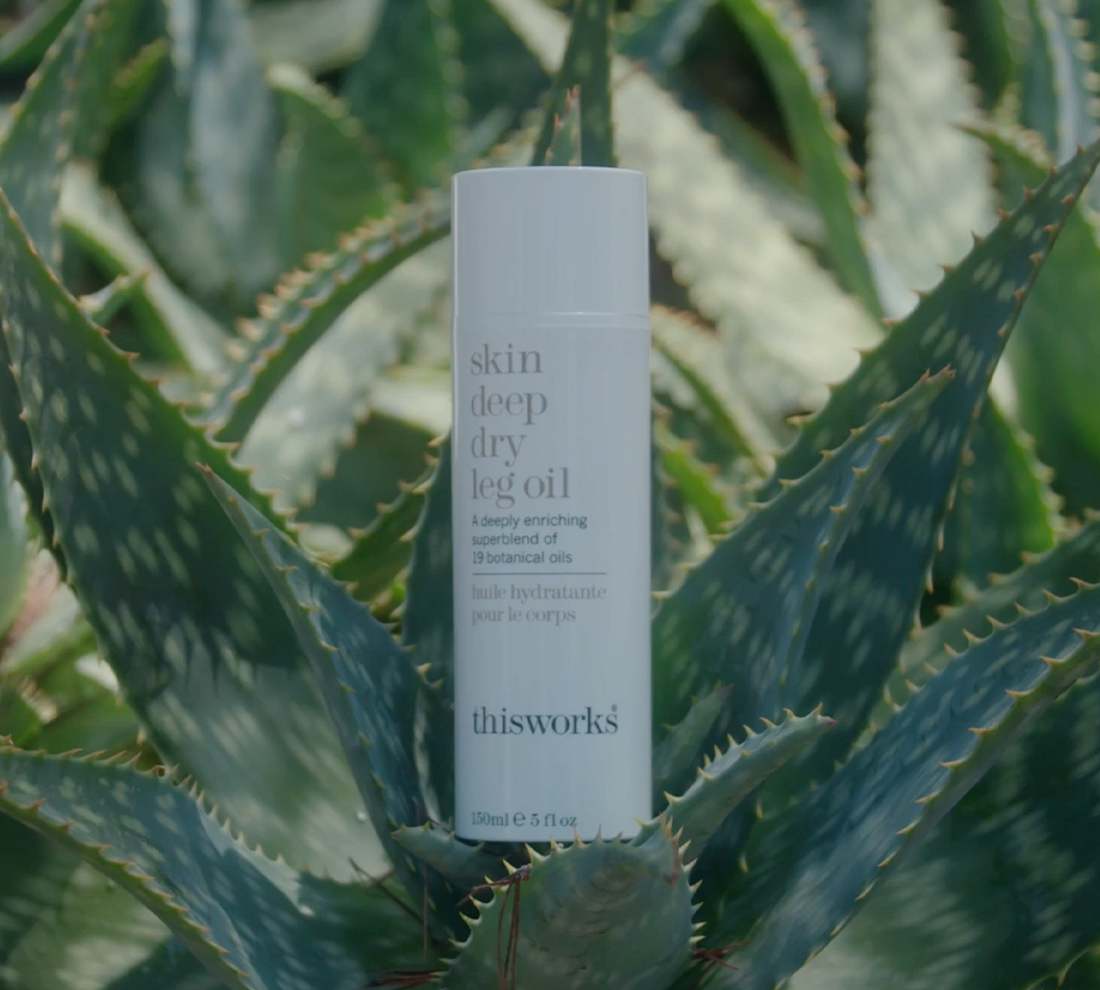 bodycare concernssummer skin recoverySummer may leave skin dry, dull and depleted, but recovery is about more than restoring your glow. Discover how intelligent skincare, technology and the power of touch can help replenish post-summer skin while reconnecting you with the body you live...read post
 sleep hygienethe science of switching off – a Doctor’s perspectiveDr Lana Gault explores the science behind switching off, from nervous system regulation and circadian rhythms to the simple, repeatable cues that can help prepare the body and brain for sleep.read post
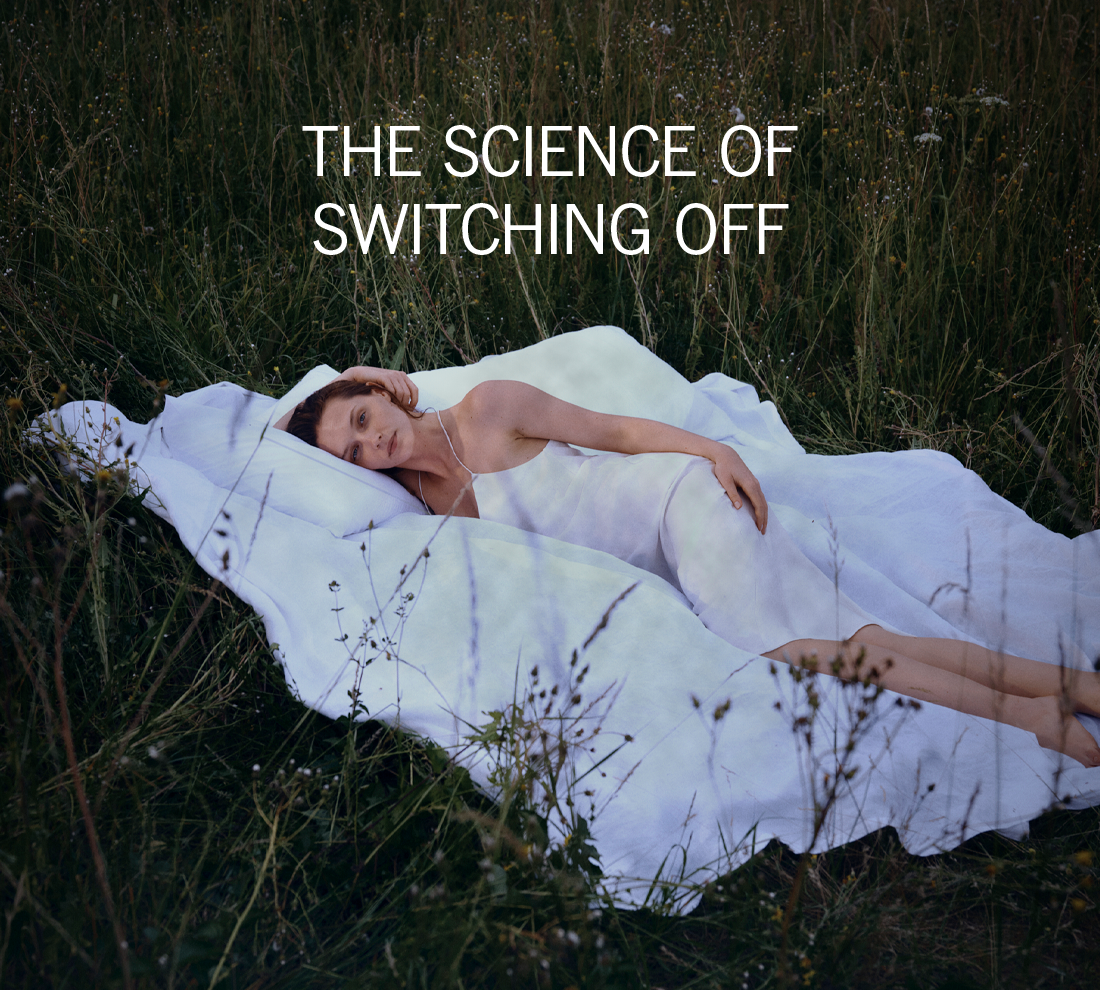 sleep hygienethe science of switching offYou don’t just have a sleep problem, you have a switching off problem. Sensory care rituals and neuroscience-informed products designed to support the transition into sleep and recovery.read post
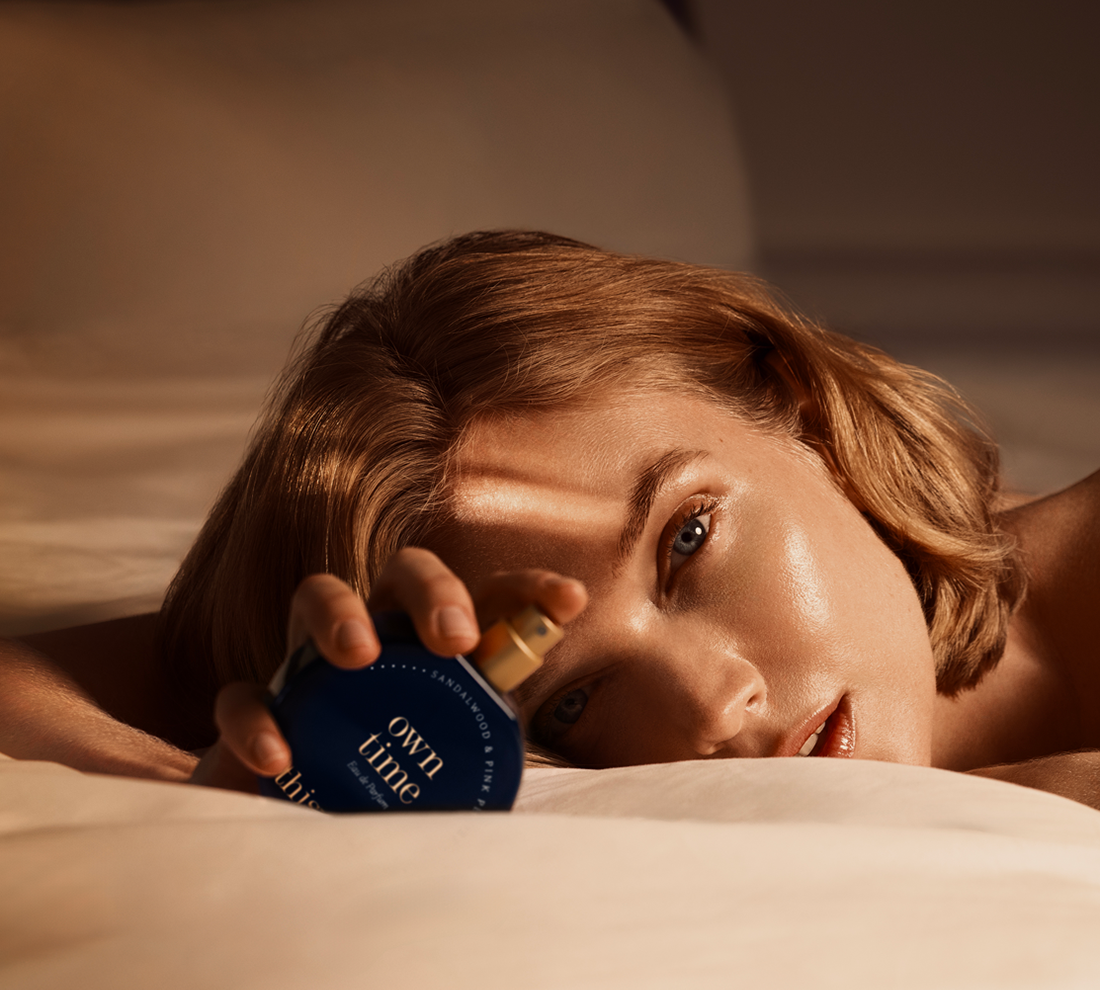 fragranceOwn Time Eau de Parfum wins an Oprah Daily Beauty O-ward for best bedtime scentOur Own Time Eau de Parfum has been named Best Bedtime Scent in the Oprah Daily Beauty O-wards, celebrating the very best in beauty and wellbeing.read post
 sleep hygienethe science of switching off: Dr Anna Persaud in the Financial TimesDr Anna Persaud, CEO of This Works, joins the Financial Times’ Brains of Wellbeing + Beauty series to explore what it really takes to get a better night’s sleep.read post
 joywellness weekender: five days to reconnect with your nervous systemJoin us this August Bank Holiday for five days of neuroscience-led rituals designed to help you regulate your nervous system through sensory care. Together we'll explore aroma, light, touch, movement and mindful self-assessment, discovering how small daily rituals can create...read post
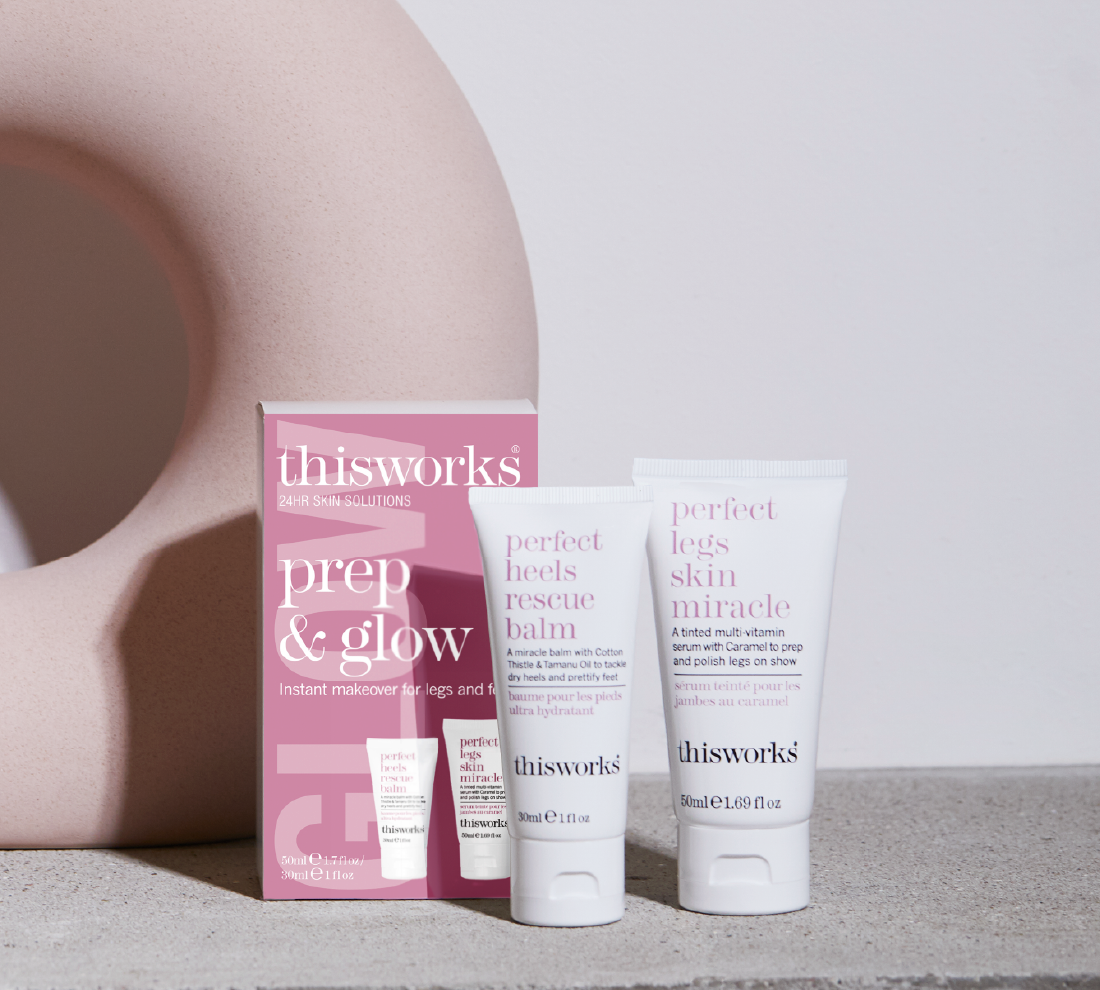 joythe wellness gift guide: how to choose something worth givingFinding the perfect gift isn't about spending more—it's about choosing something thoughtful. Whether you're shopping for wellness gift sets, skincare gift sets, relaxation gifts or sleep gifts for someone special, discover how to choose gifts that encourage rest, relaxation and...read post
 joywellness gifts for new mums: what they actually needThe best gifts for new mums aren't always the biggest—they're the ones that help her feel cared for. Whether you're shopping for a baby shower, celebrating a new arrival or simply letting someone know you're thinking of them, discover thoughtful...read post

