can a bath really improve your sleep? what the science says
Can a warm bath before bed really help you sleep better? Science suggests it can. Discover how a simple evening bathing ritual, paired with bath oils, bath salts, calming home fragrance and scented candles, may support your body's natural sleep cycle by encouraging the temperature changes that prepare you for rest.
introduction
After a long day, few things feel as comforting as sinking into a warm bath. But beyond helping you relax, could an evening improve your sleep?
The answer is more than anecdotal. A growing bath soak genuinely body of research suggests that a warm bath or shower before bed can support the body's natural sleep processes by encouraging changes in core body temperature that help prepare you for sleep.
While no single bedtime habit guarantees a perfect night's rest, combining a warm bath with a consistent evening routine can help create the ideal conditions for better sleep. Here's what the science says.
how your body prepares for sleep
Your body follows an internal 24-hour clock known as the circadian rhythm. Throughout the day, this biological clock regulates everything from hormone production and alertness to body temperature and sleep.
As evening approaches, your core body temperature naturally begins to decrease. This subtle drop is one of the signals that tells your brain it's time to wind down. At the same time, melatonin - the hormone associated with sleep - is released, helping prepare your body for rest.
Supporting this natural cooling process is one reason why experts often recommend avoiding vigorous exercise or very warm environments immediately before bed.
Interestingly, taking a warm bath at the right time appears to work with this natural process rather than against it.
why a warm bath can help
Although it might seem counterintuitive, a warm bath actually encourages your body to cool down afterwards.
When you immerse yourself in warm water, blood vessels close to the surface of the skin dilate, increasing circulation to your hands and feet. Once you leave the bath, this heat dissipates into the surrounding environment, allowing your core body temperature to fall more quickly.
Researchers believe this enhanced cooling may help your body transition into sleep more efficiently.
A 2019 systematic review and meta-analysis published in Sleep Medicine Reviews analysed more than 5,000 studies and found that passive body heating - such as taking a warm bath or shower approximately one to two hours before bedtime - improved both sleep onset and overall sleep quality when timed correctly. ^1
Rather than simply making you feel sleepy, a warm bath appears to support one of the body's existing biological mechanisms for preparing for sleep.
timing matters
If you've ever stepped straight from a hot bath into bed and still struggled to sleep, timing could be the reason.
The evidence suggests that the ideal time for a warm bath is around 60 to 90 minutes before bedtime. This allows enough time for your body to cool naturally after leaving the bath while aligning with your circadian rhythm.
The meta-analysis found that water temperatures between 40°C and 42.5°C were associated with the greatest improvements in sleep when taken within this window.^1
Of course, comfort is important too. Your bath should feel pleasantly warm rather than uncomfortably hot.
creating a bathing ritual that supports better sleep
The bath itself is only one part of the experience.
Research consistently shows that regular bedtime routines help reinforce healthy sleep habits. By repeating the same calming activities each evening, you create cues that help your brain recognise it's time to rest.
A relaxing bathing ritual might include:
- A warm bath soak around an hour before bed.
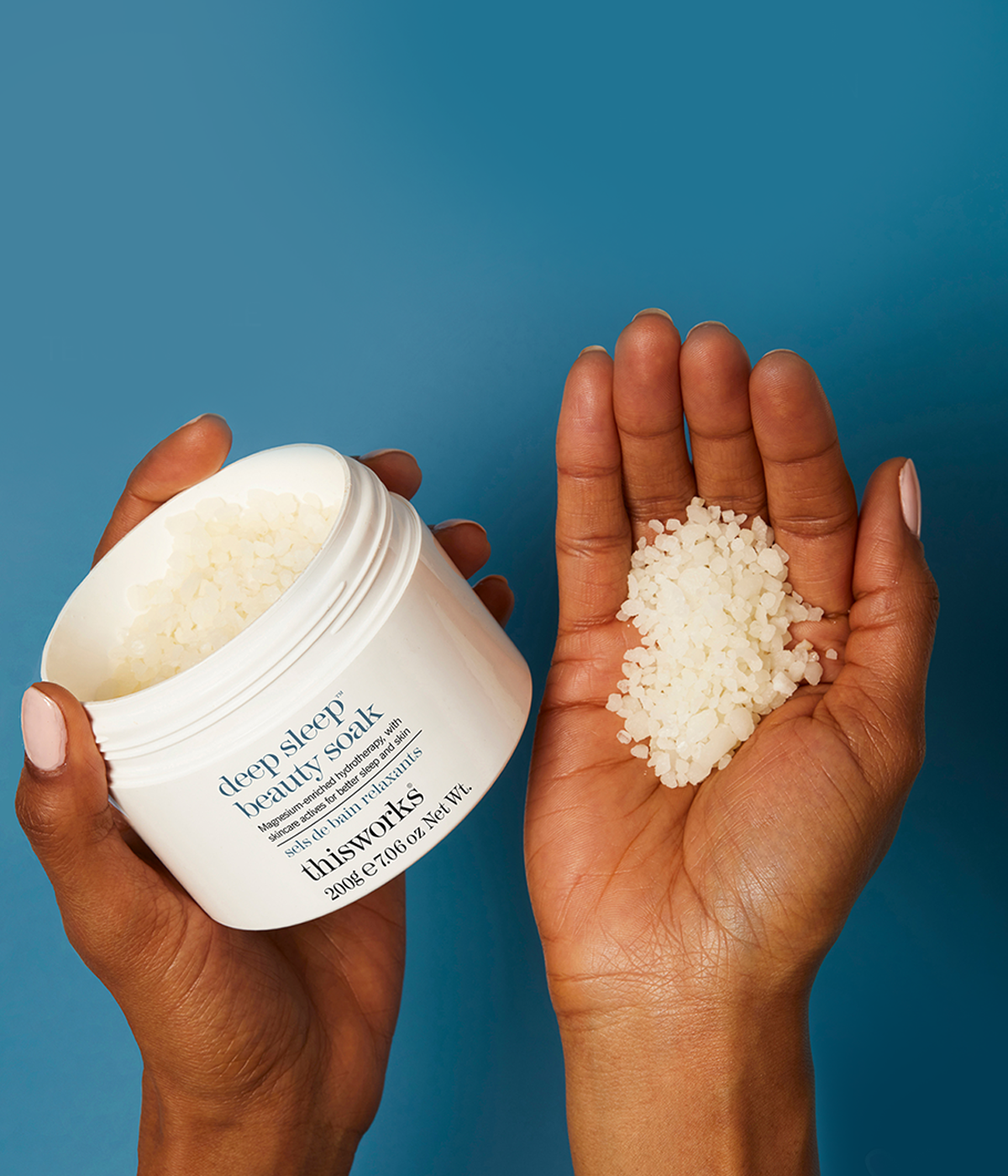
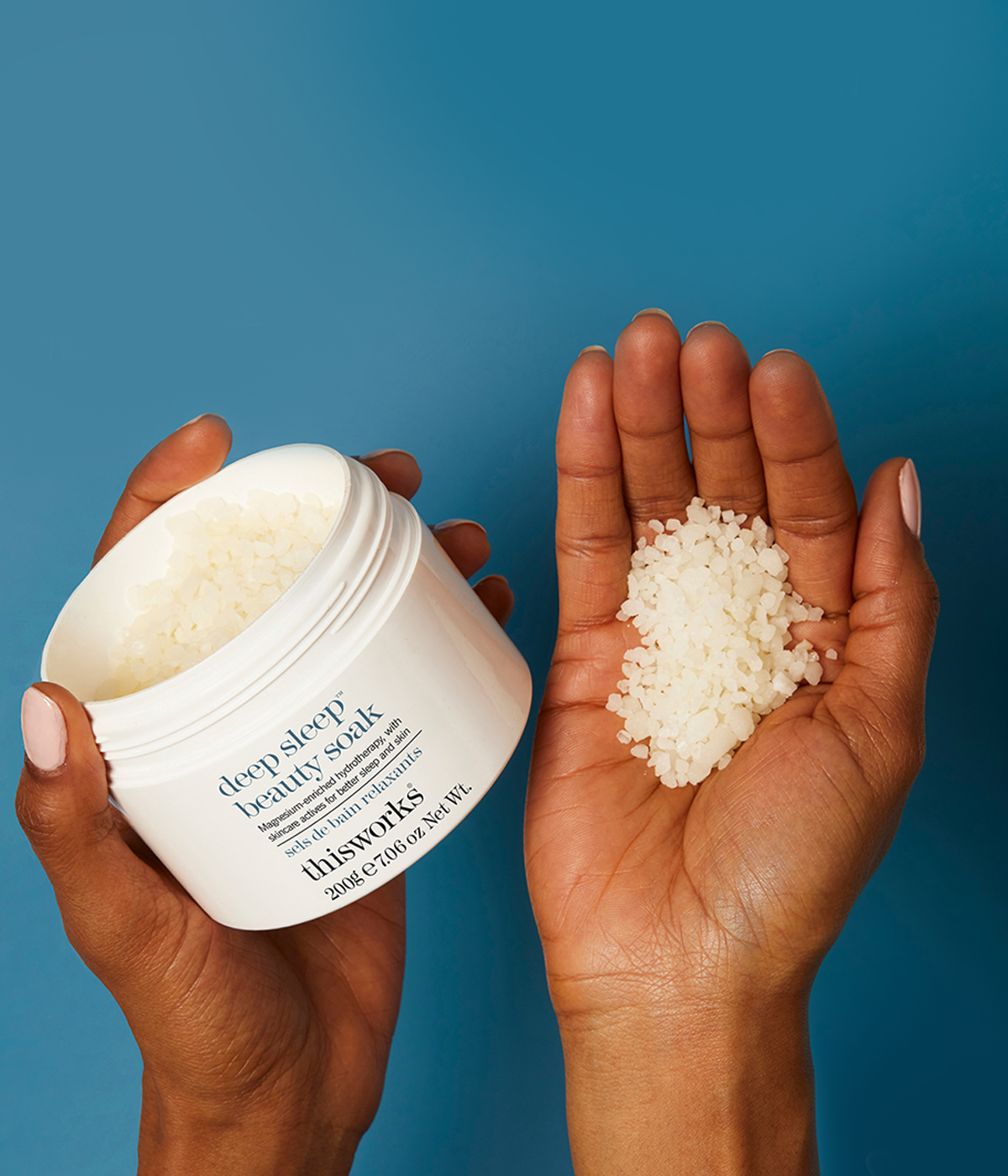
- Nourishing bath oils or mineral-rich bath salts.
- Soft lighting instead of bright overhead lights.
- A calming home fragrance.
- Reading or quiet stretching instead of scrolling on your phone.
The goal isn't simply to feel relaxed in the moment—it's to establish a routine your body begins to associate with sleep.
the role of fragrance in an evening routine
Fragrance doesn't directly cause sleep, but it can become an important part of a relaxing bedtime ritual.
Your sense of smell is closely linked with the limbic system—the area of the brain involved in emotion and memory. Because of this connection, familiar scents can become associated with particular routines and behaviours over time.
This Works developed its deep sleep range using Lavender, Vetivert and Wild Chamomile to help create a calming sensory experience as part of an evening routine.
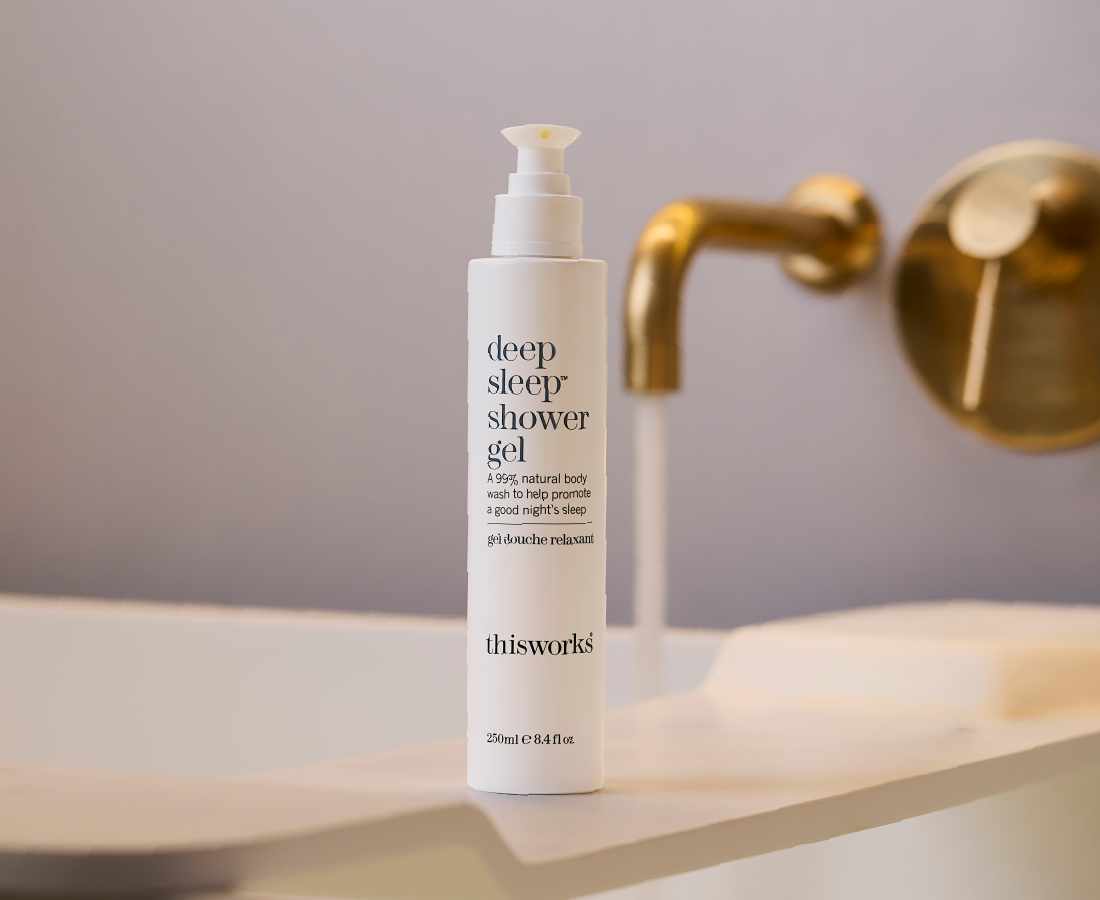
The deep sleep bath oil combines these botanical essential oils in a luxurious formula that leaves skin feeling nourished while helping transform an ordinary bath into a mindful wind-down ritual.
Lighting a scented candle, such as the deep sleep heavenly candle, can further reinforce this peaceful environment, extending the atmosphere beyond the bathroom and into the rest of your evening.
don't underestimate your environment
Sleep scientists often describe sleep as the result of many small behaviours working together.
Alongside your evening bath and body routine, consider your wider sleep environment:
- Keep your bedroom cool, dark and quiet.
- Limit bright screens before bed where possible.
- Follow a regular bedtime.
- Reduce caffeine later in the day.
- Make time to relax before trying to sleep.
Your evening home fragrance, favourite scented candles, comfortable bedding and consistent routine all become cues that signal the end of the day.
While none of these habits works in isolation, together they help create an environment that supports healthy sleep.
building a routine you'll actually enjoy
One reason bathing rituals can be so effective is that they're enjoyable.
Rather than feeling like another task on your to-do list, a warm bath offers permission to slow down.
Adding nourishing bath oils, soothing bath salts and calming home fragrance transforms a practical routine into something restorative. Over time, these simple rituals become familiar markers between the busyness of the day and the restfulness of the night.
The most effective sleep routine isn't necessarily the most complicated—it's the one you can maintain consistently.
the science, simply put
Current evidence suggests that taking a warm bath before bed won't cure insomnia or replace good sleep habits. However, it may support your body's natural sleep processes by encouraging the temperature changes that occur as part of your circadian rhythm.
Combined with a consistent evening routine, a warm bath soak, calming bath oils, relaxing home fragrance and comforting scented candles can help create the ideal conditions for switching off at the end of the day.
Small habits repeated consistently often have the greatest impact—and a nightly bathing ritual is one of the simplest ways to make bedtime feel less rushed and more restorative.
references
- Haghayegh S, Khoshnevis S, Smolensky MH, Diller KR, Castriotta RJ. Before-bedtime passive body heating by warm shower or bath to improve sleep: A systematic review and meta-analysis. Sleep Medicine Reviews. 2019;46:124–135. https://doi.org/10.1016/j.smrv.2019.04.008
- National Institute of General Medical Sciences. Circadian Rhythms. https://www.nigms.nih.gov/education/fact-sheets/Pages/circadian-rhythms.aspx
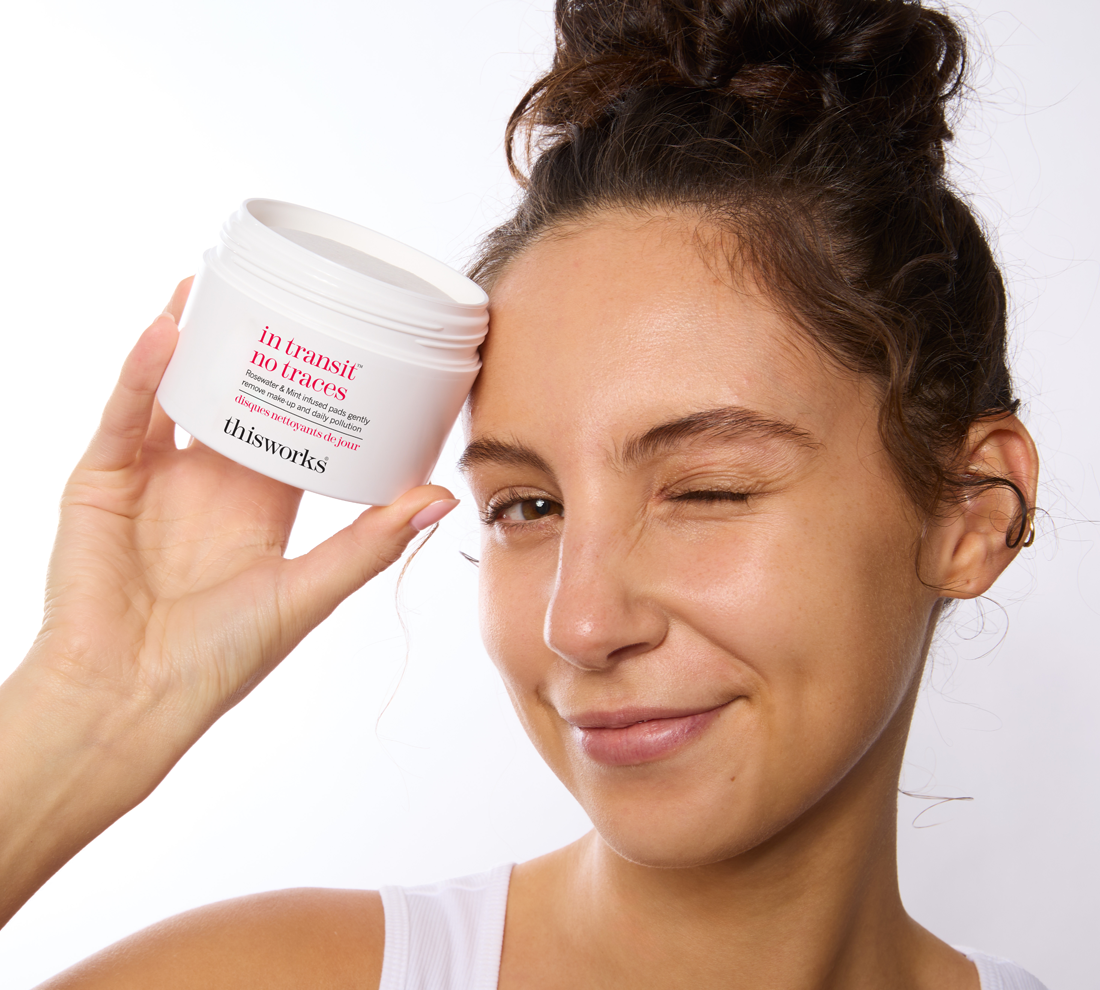 skincare concernsin transit no traces featured in British Vogue: the cleansing essential for hard waterOur in transit no traces cleansing pads have been featured in British Vogue as a Vogue-approved skincare solution for hard water, helping remove lingering residue without the need to rinse.read post
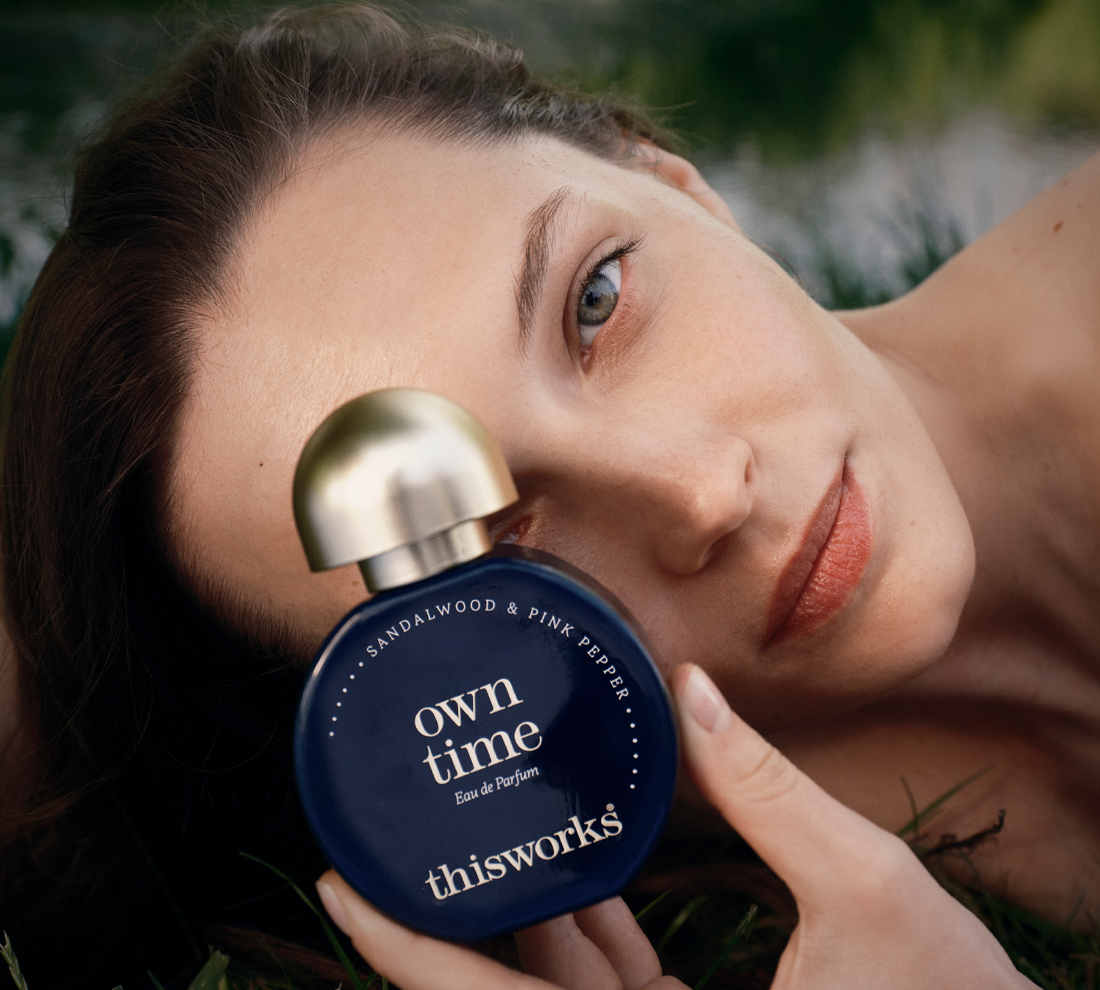 fragranceOwn Time Eau de Parfum featured in Refinery29: the connection between scent and wellbeingOwn Time Eau de Parfum features in a personal Refinery29 exploration of fragrance, self-care and endometriosis, with our CEO Dr Anna Persaud sharing the science behind scent, memory and emotion.read post
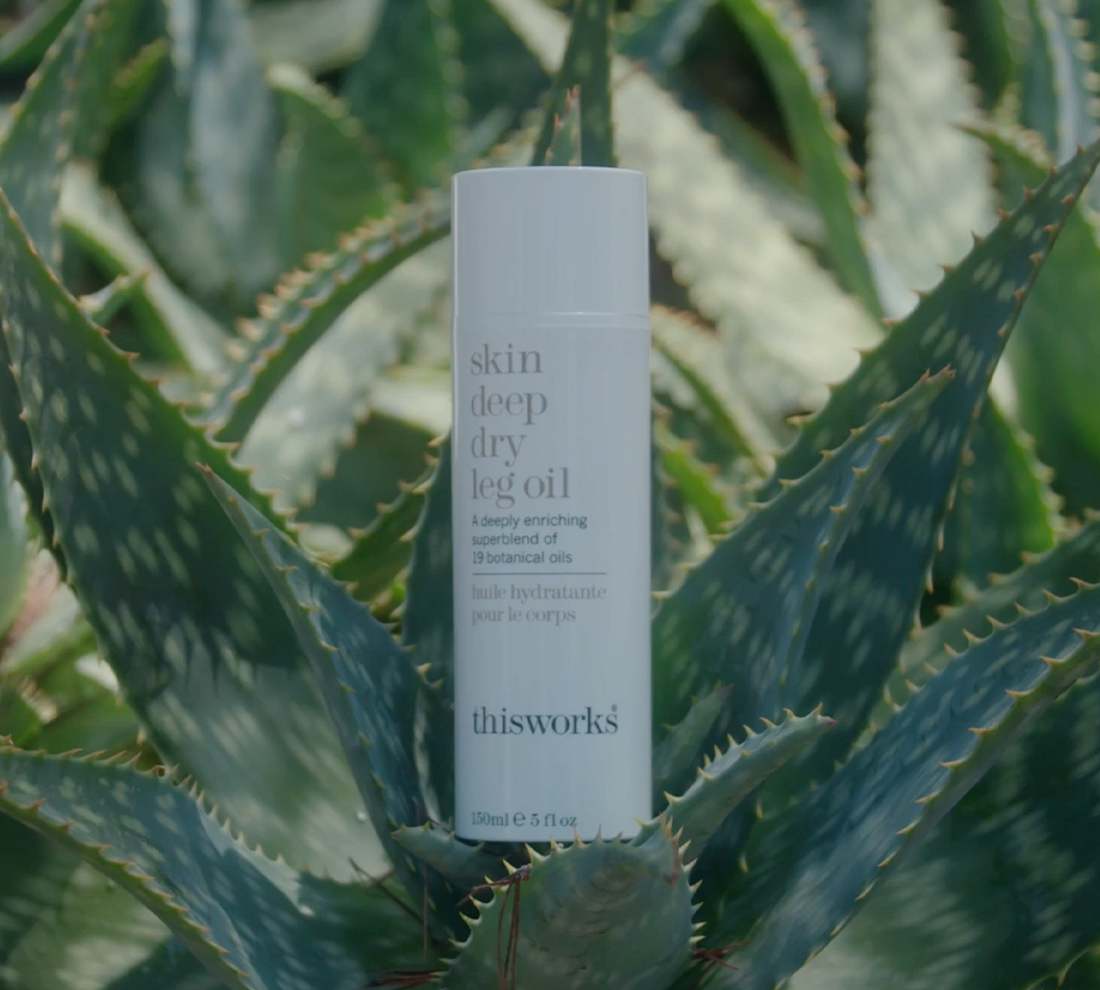 bodycare concernssummer skin recoverySummer may leave skin dry, dull and depleted, but recovery is about more than restoring your glow. Discover how intelligent skincare, technology and the power of touch can help replenish post-summer skin while reconnecting you with the body you live...read post
 sleep hygienethe science of switching off – a Doctor’s perspectiveDr Lana Gault explores the science behind switching off, from nervous system regulation and circadian rhythms to the simple, repeatable cues that can help prepare the body and brain for sleep.read post
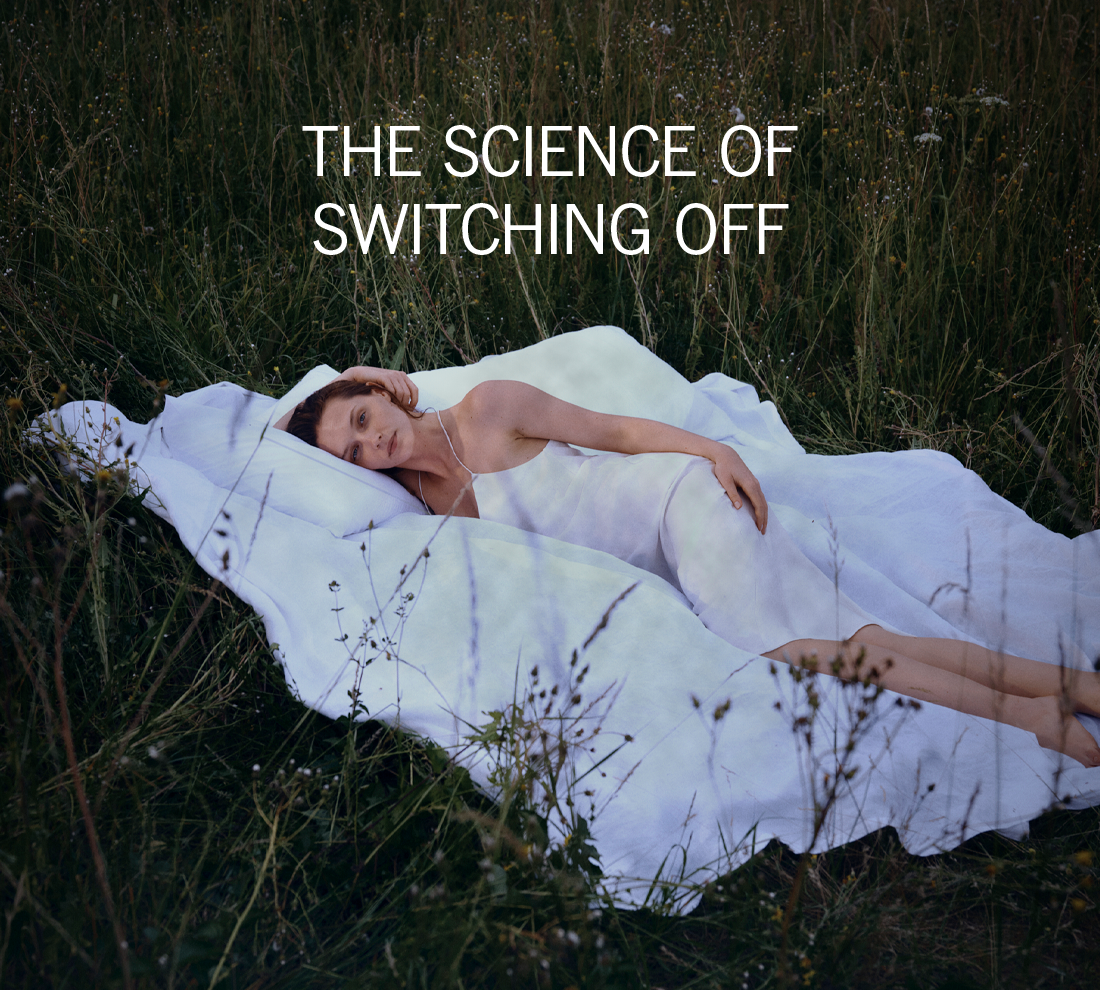 sleep hygienethe science of switching offYou don’t just have a sleep problem, you have a switching off problem. Sensory care rituals and neuroscience-informed products designed to support the transition into sleep and recovery.read post
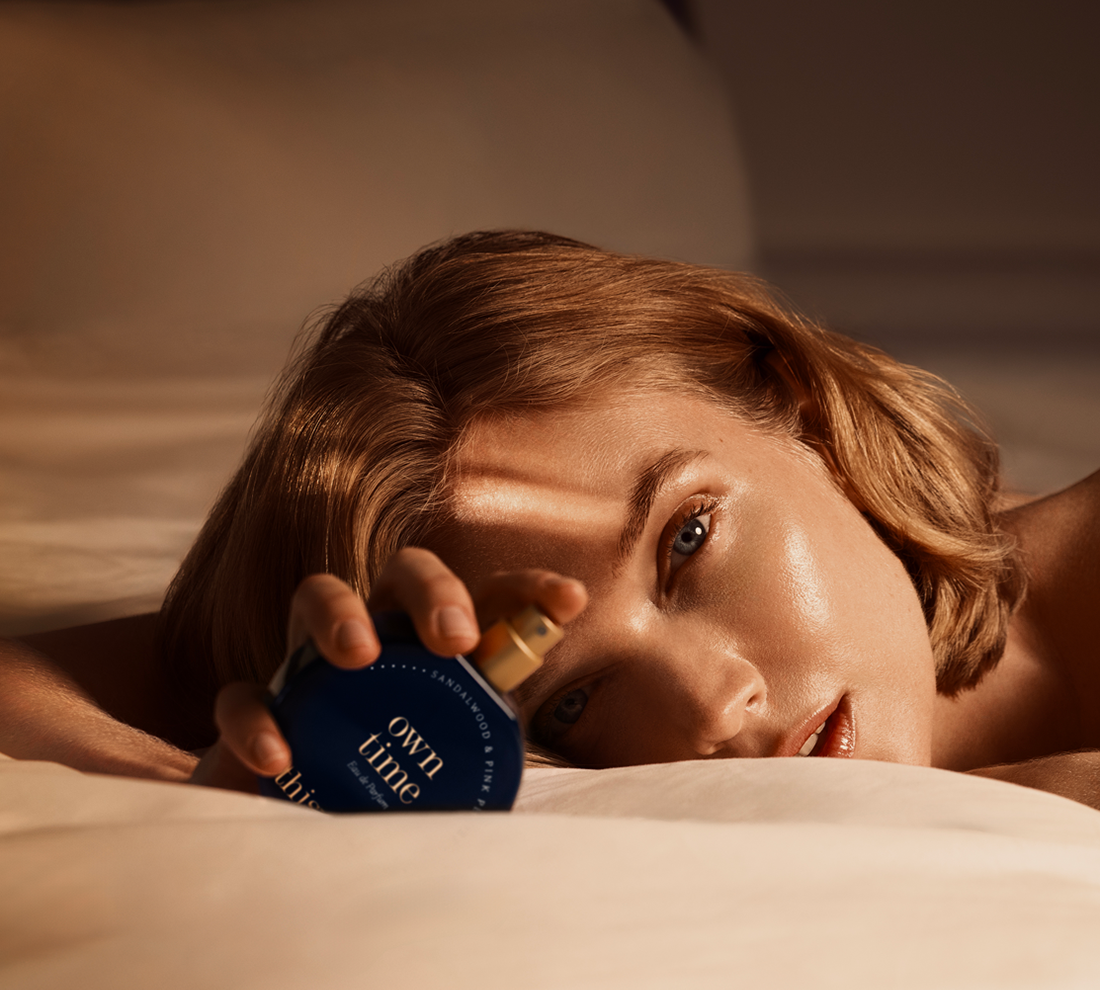 fragranceOwn Time Eau de Parfum wins an Oprah Daily Beauty O-ward for best bedtime scentOur Own Time Eau de Parfum has been named Best Bedtime Scent in the Oprah Daily Beauty O-wards, celebrating the very best in beauty and wellbeing.read post
 sleep hygienethe science of switching off: Dr Anna Persaud in the Financial TimesDr Anna Persaud, CEO of This Works, joins the Financial Times’ Brains of Wellbeing + Beauty series to explore what it really takes to get a better night’s sleep.read post
 joywellness weekender: five days to reconnect with your nervous systemJoin us this August Bank Holiday for five days of neuroscience-led rituals designed to help you regulate your nervous system through sensory care. Together we'll explore aroma, light, touch, movement and mindful self-assessment, discovering how small daily rituals can create...read post

