skin barrier restoration 101
understanding the skin barrier’s structure, function, disruption, and restoration through cold-pressed botanical oils to help restore your skin.

introduction
There’s a lot of talk around protecting your skin barrier, but you might wonder what that actually means. Here, we delve into the science of the skin barrier, exploring how it can become compromised and how to protect it.
The term skin barrier refers primarily to the outermost layer of the epidermis – the stratum corneum – and its physiological role in maintaining cutaneous homeostasis. A healthy skin barrier prevents excessive trans-epidermal water loss (TEWL) while blocking entry of external irritants and pathogens. In simple terms, your skin barrier is essentially a protective shield that preserves hydration and defends against environmental aggressors and microbes, helping to maintain optimal dermatological health. When the barrier is intact, skin stays supple, well-hydrated, and resilient.
On the other hand, a compromised barrier allows chemical irritants, microorganisms, and allergens to penetrate the skin, triggering inflammation and immune responses. This is where you may begin to experience dryness, irritation, or dermatologic disease. In clinical terms, barrier function is often quantified by trans-epidermal water loss measurements – higher trans-epidermal water loss indicates a leakier, less effective barrier. Maintaining an optimal skin barrier is critical not only for cosmetic appearance but for preventing dermatitis, infection, and other skin disorders.
anatomy of the stratum corneum: the skin’s protective barrier
The stratum corneum (SC) is the outer layer of the skin. Even though it is thin, it’s extremely strong and plays a vital role in protecting the body. It's often likened to a ‘brick and mortar’ structure. The bricks are dead, flattened skin cells called corneocytes, and the mortar is a mix of fats (lipids) that cements the cells together.
The skin cells (corneocytes) are filled with strong proteins that give the skin strength. Inside these cells are natural moisturising factors that help attract and hold water, keeping the skin hydrated.
Each corneocyte is enriched with, and bolstered by, tough proteins called keratins and surrounded by a hardened outer shell made from cross-linked proteins, giving the stratum corneum its structure, strength and durability. Inside these cells, a protein called filaggrin breaks down into natural moisturising factors - small molecules that attract and hold water, helping the skin stay hydrated.
Sandwiched between skin cells are layers of fats called lipids. These fats are composed mainly of ceramides, cholesterol, and fatty acids, and form a waterproof barrier. This barrier stops too much water from escaping and helps keep irritants and germs out. It also keeps the skin slightly acidic, which helps protect against harmful bacteria and maintains the barrier.
Despite being only about 10–20 cell layers thick, the stratum corneum is tightly packed and well organised. The cells are connected by strong junctions, and the lipid layers fill the spaces between them. This structure creates what dermatologists call the skin’s permeability barrier – the system that controls what enters and leaves the skin.
It’s important to remember the skin barrier is not static, it’s a dynamic, living interface. New skin cells are constantly produced in the deeper layers, where they release lipids before moving upward and becoming corneocytes. At the same time, old cells are shed from the surface in a controlled process called exfoliation. The skin also has an acid mantle, formed by fatty acids, amino acids, and sweat, which supports a healthy skin microbiome and normal shedding of cells.
Overall, the stratum corneum is expertly designed to keep moisture in and harmful substances out. When any of its key components (proteins, lipids, or hydration) are disrupted, the skin barrier becomes weaker, less effective, and skin can appear irritated.
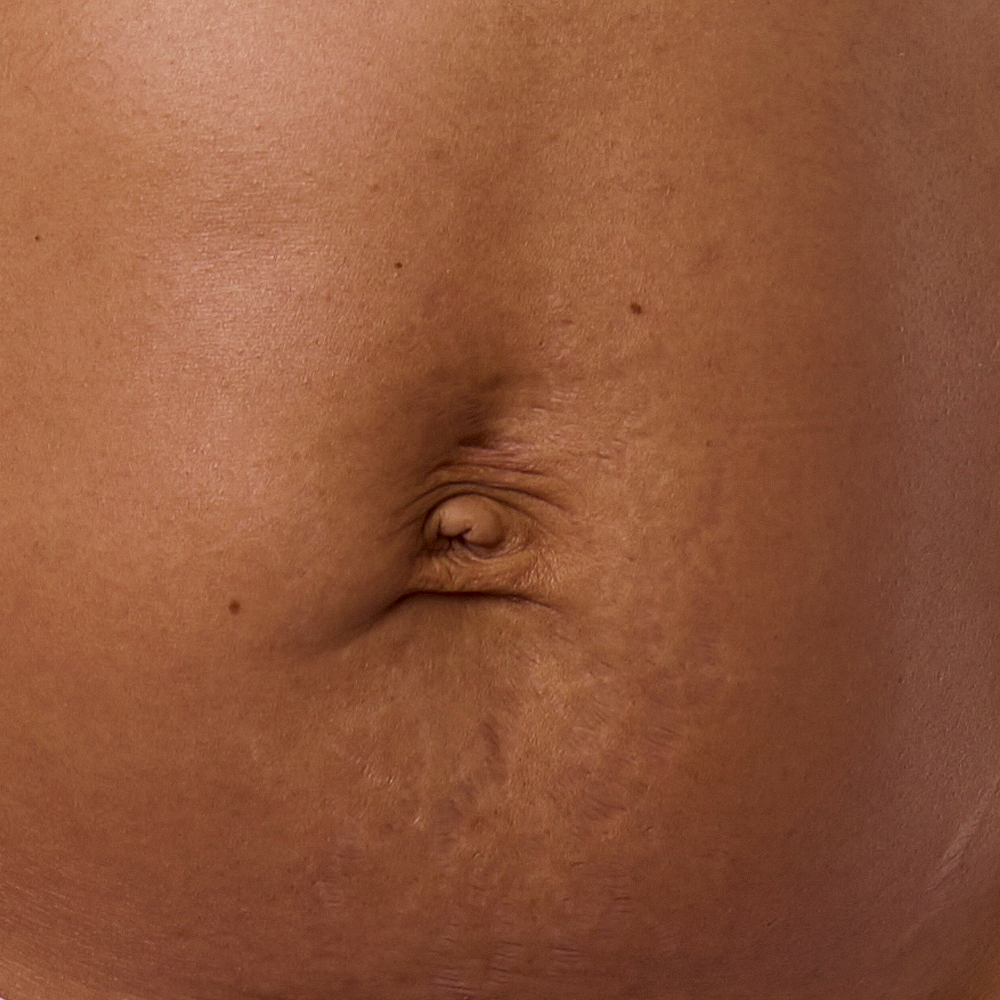
causes of barrier disruption
Many different internal and external factors can disrupt the skin barrier. Here’s a breakdown:
internal factors
- Genetic conditions like atopic dermatitis are linked to filaggrin mutations, which weaken the structural proteins of the stratum corneum and cause dryness and irritation.
- Natural moisturising factors decrease, and cellular turnover slows as we age, leaving the barrier thinner and less resilient to damage.
- Hormonal shifts (like during menopause) lower production of fatty acids, leading to drier skin.
external factors
- Environmental factors like cold weather, low humidity, and UV exposure can destabilise the barrier.
- Harsh soaps, alkaline cleansers, and over-exfoliation strip protective lipids, which is why it’s essential to be selective with the active ingredients in your skincare routine.
- Surfactants (such as sodium lauryl sulfate) disrupt intercellular cohesion, leading to increased trans-epidermal water loss and increased sensitivity.
- Friction, over-exfoliating and over washing remove cells faster than they can be replenished, disrupting the barrier.
- Solvents such as alcohol can compromise barrier integrity.
Clinically, when a skin barrier is damaged, it can lead to a number of issues. The first and most common sign is dry skin (xerosis) which can see skin turn rough, tight, and scaly. This is because the skin is lacking hydration and is losing water more easily. If the barrier continues to weaken over time, chronic inflammatory conditions such as contact dermatitis and eczema can occur. This this due to allergens and microbes infiltrating the weakened barrier, triggering inflammation from an immune response.
Eczema is a good example of how barrier dysfunction (e.g., filaggrin deficiency) can create a cycle of sensitivity, irritation and inflammation that further weakens the barrier. This ‘outside-in’ model of disease extends to psoriasis and ichthyoses, where abnormal lipid and protein composition leads to persistent scaling and sensitivity.
A damaged skin barrier also increases the risk of infections and slower wound healing, as pathogens can more easily infiltrate the outer layer. In managing these conditions, dermatologists increasingly focus on restoring barrier integrity with emollients, occlusives, and lipid-replenishing therapies, acknowledging that effective treatment must address both inflammation and the structural health of the skin.
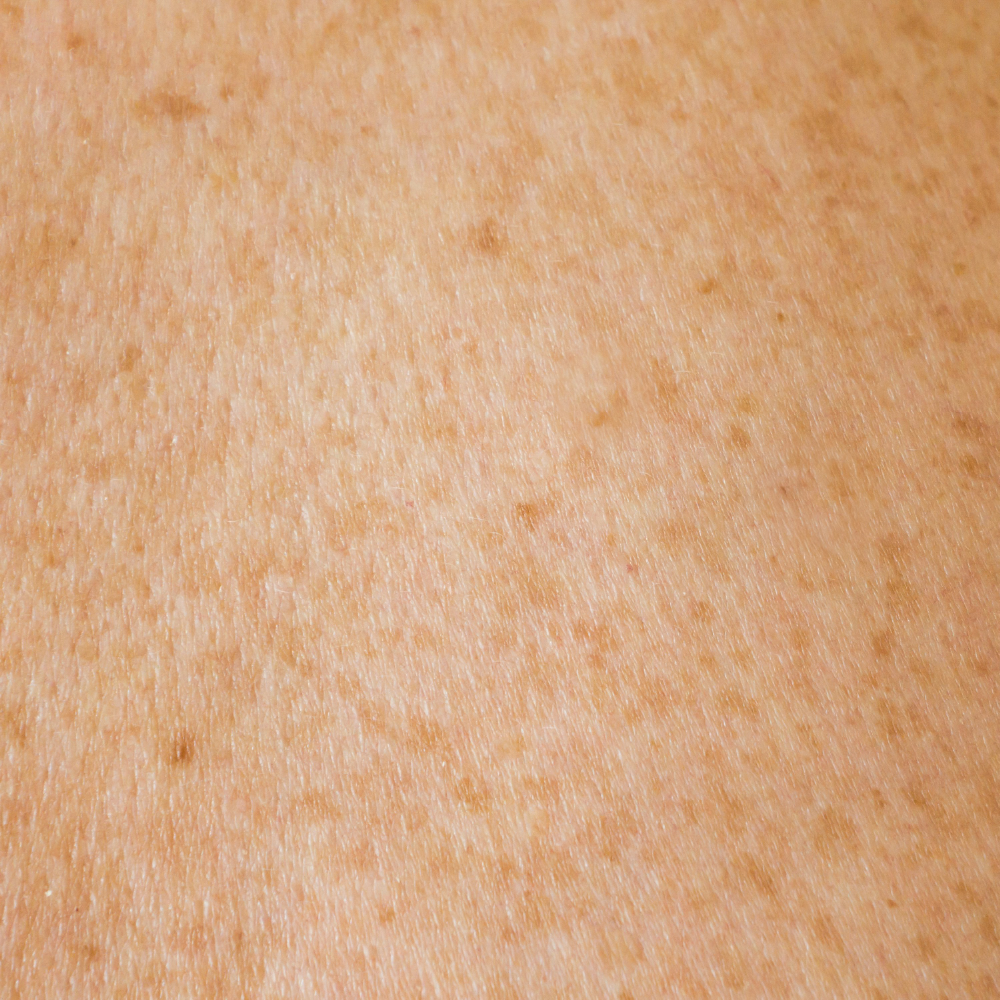
barrier recovery and care
Restoring and reinforcing a damaged skin barrier is a central goal in dermatologic therapy. There are many evidence-based methods you can try at home to help recover your skin’s barrier function and get your skin feeling healthy and hydrated again, including selecting the right products that support your skin barrier, rather than stripping it. We suggest:
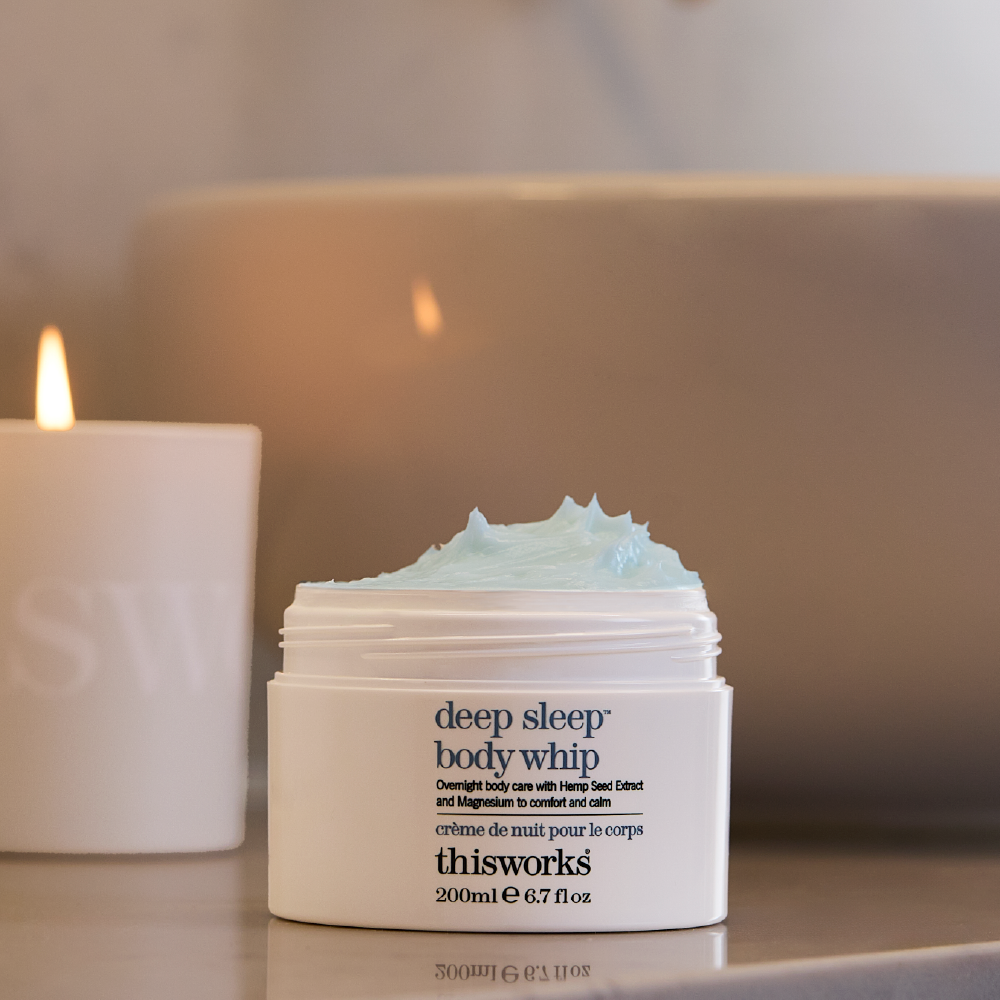
- Topical emollients and moisturisers: Moisturisers with lipids, such as ceramides, cholesterol, and fatty acids, should be your go-to. They help repair the skin barrier by replacing missing components and improving hydration, especially in dry or eczematous skin. Our overnight skin treatment, deep sleep body whip, is formulated with hemp seed extract – a fatty lipid which helps support the skin’s microbiome. Along with Copper PCA and Magnesium, it helps bring balance and nourishment to the skin, whilst promoting a better night’s sleep with slow, gentle touch and our Deep Sleep Functional Fragrance.
- Occlusives: Have you heard of slugging? This involves drenching the skin with a thick barrier to hydrate overnight. Occlusive agents such as petrolatum form a barrier over the skin to prevent water loss, support hydration, and protect damaged skin from further irritation.
- humectants: These are commonly seen actives like Glycerin, Urea (often found in intensive foot balms!), and Hyaluronic Acid draw water into the skin, improving hydration and supporting enzymatic processes essential for barrier repair.
- Gentle cleansing and pH maintenance: When it comes to cleaning the skin, uncomplicated is usually the best. Mild, pH-balanced cleansers help protect the skin by avoiding lipid stripping and maintaining optimal acidity for barrier enzymes and microbiome balance.
- Additional barrier-supportive ingredients: Ingredients such as Niacinamide, Panthenol, and antioxidants enhance natural lipid synthesis, reduce inflammation, and improve barrier resilience. Dietary support with essential fatty acids also contributes to maintaining skin barrier health.
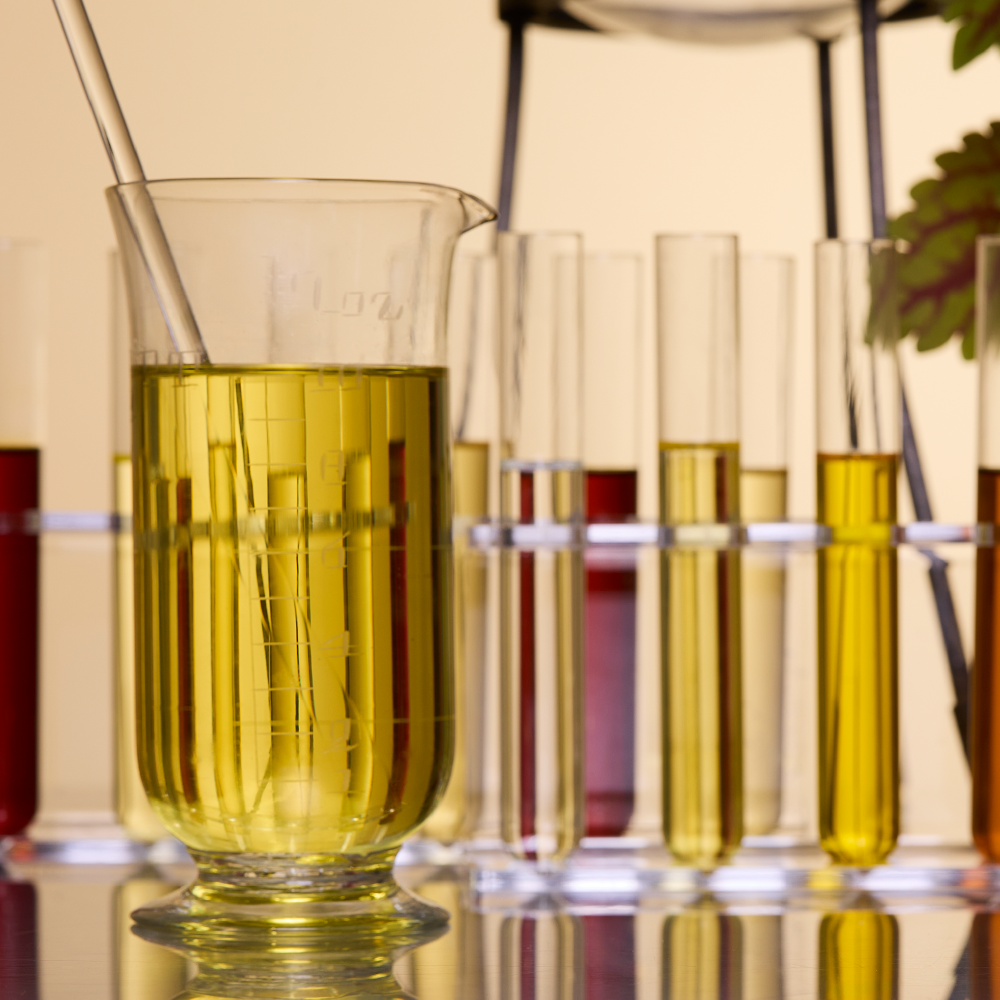
role of cold-pressed botanical oils in barrier restoration
Botanical oils, derived from seeds, nuts, and fruits, have garnered attention as natural remedies for supporting the skin barrier. Cold-pressed oils (also labelled virgin or unrefined oils) are extracted mechanically without high heat or chemical solvents, which helps preserve their bioactive compounds. Cold-pressed oils retain higher levels of tocopherols (vitamin E), phytosterols, polyphenols, and other antioxidants compared to refined oils. These constituents can impart anti-inflammatory, antioxidant, and even antimicrobial benefits when the oils are applied to skin. Plant oils are principally composed of triglycerides rich in various fatty acids, and the fatty acid profile turns out to be crucial for their effect on the skin barrier.
Our deep sleep beauty oil is a unique blend of skincare actives, sesquiterpenes and botanical oils for the face and body, which together help support barrier integrity whilst also targeting signs of ageing and improving sleep quality. Sweet almond oil is rich in fatty acids, vitamins and antioxidants, which soften, soothe and hydrate dry, sensitive or irritated skin.
Not all oils are equally effective in forming a barrier. Research indicates that oils high in linoleic acid (an omega-6 polyunsaturated fatty acid) tend to strengthen the skin barrier, whereas oils high in oleic acid (an omega-9 monounsaturated fatty acid) may disrupt it. Linoleic acid is an essential component of ceramides in the stratum corneum and is known to improve barrier function and reduce trans-epidermal water loss.
Plant oils support the skin barrier through several complementary actions: they form an occlusive layer to reduce water loss, supply essential fatty acids for ceramide and lipid synthesis, and offer anti-inflammatory and antioxidant benefits that soothe irritation and protect against oxidative damage. Long used in traditional medicine for dry or inflamed skin, many of these benefits are now supported by scientific evidence. Discover which key cold-pressed botanical oils contribute to barrier restoration below.
- Sunflower Seed Oil (Helianthus annuus): Cold-pressed sunflower seed oil is exceptionally rich in linoleic acid (~50–70%), a key omega-6 fatty acid essential for ceramide synthesis and maintaining the lipid matrix of the stratum corneum. It is low in oleic acid, which helps preserve barrier integrity without disrupting lipid organisation. Studies have demonstrated its ability to improve hydration, reduce transepidermal water loss, and support recovery from essential fatty acid deficiency. Unlike oleic-rich oils (e.g., olive oil), sunflower oil does not impair barrier function and is well-tolerated, even in infants and those with atopic dermatitis. It also exerts anti-inflammatory effects by activating peroxisome proliferator-activated receptor alpha (PPAR-α), which modulates prostaglandin release and reduces cytokine-mediated skin inflammation. Its natural tocopherol content contributes antioxidant support, making it a safe, affordable, and evidence-backed emollient for dry and compromised skin.
- Rosehip Oil (Rosa canina seed oil): Extracted via cold pressing to preserve its active constituents, rosehip oil is composed of high levels of linoleic acid (~50%) and alpha-linolenic acid (~20%), two essential polyunsaturated fatty acids critical for skin barrier repair and ceramide production. Its lipid profile enhances SC flexibility and improves moisture retention. Rosehip oil also contains naturally occurring trans-retinoic acid (a vitamin A derivative), which can promote cell turnover and collagen synthesis at low, non-irritating concentrations. Rich in carotenoids (e.g. β-carotene), lycopene, and tocopherols, it provides antioxidant and anti-inflammatory protection, neutralising reactive oxygen species that can degrade barrier lipids. Clinical studies have shown improvements in scar appearance and barrier quality with regular use. Its lightweight, fast-absorbing texture and barrier-replenishing fatty acids make it especially suitable for dry, ageing, or photodamaged skin.
- Jojoba Oil (Simmondsia chinensis): Unlike conventional oils, jojoba is a liquid wax composed of long-chain esters that closely mimic the composition of human sebum. Its main component, eicosenoic acid (C20:1), allows it to integrate into the skin’s lipid barrier, enhancing cohesion and preventing water loss. Jojoba oil exhibits anti-inflammatory effects by suppressing the release of pro-inflammatory cytokines in keratinocytes and has been shown to accelerate wound healing in both animal and human studies. It offers light occlusion, improving SC elasticity and flexibility without clogging pores, making it ideal for barrier-compromised, acne-prone skin. Naturally rich in vitamin E and iodine, jojoba supports antioxidant defence and antimicrobial action. Its stable, non-comedogenic nature makes it a preferred vehicle in dermatologic formulations and a gentle, effective moisturiser for maintaining or restoring the epidermal barrier.
- Argan Oil (Argania spinosa): Cold-pressed argan oil contains a balanced ratio of oleic acid (~45%) and linoleic acid (~35%), supporting both skin softness and essential lipid replenishment. Its unsaponifiable fraction, rich in tocopherols, phytosterols, and squalene, offers potent antioxidant and anti-inflammatory effects, protecting against lipid peroxidation and oxidative barrier damage. Clinical studies in postmenopausal women have shown that topical and oral argan oil significantly reduces trans-epidermal water loss nd increases SC hydration, confirming both external and internal barrier support. Argan oil has also been linked to improvements in skin elasticity and density, potentially benefiting age-related barrier decline. Despite its moderate oleic content, the synergy of fatty acids and antioxidants makes it suitable for dry, mature, or environmentally stressed skin that needs barrier repair and reinforcement.
key takeaways
The skin barrier is a complex, vital system that underpins dermatologic health, and several steps can be taken to restore, improve, and maintain the barrier for optimal skin health. When you consider the barrier as our body’s front-line defence against environmental factors, aggressive topical skincare, and internal disrupters, it’s easy to understand how taking good care to maintain hydration and resilience can help keep dryness, eczema flares, allergen sensitivity, and breakouts at bay. While you may feel giving your skin a good cleanse and exfoliation is exactly what angry or acne-prone skin needs, this can be counterintuitive for the skin barrier, as harsh cleansers and potent actives can strip and weaken it.
There are many effective strategies for repairing and protecting the barrier, which have been proven through extensive research and clinical studies. These include using moisturisers rich in skin-identical lipids, such as ceramides, humectants like Glycerin and Urea, and Occlusives like Petrolatum, to restore the skin’s moisture balance and lipid content. When it comes to an effective skincare routine, gentler practices such as avoiding alkaline soaps, hot water, and over-exfoliation are essential factors in allowing the skin’s barrier to breathe and heal.
When adding products to the skin, cold-pressed botanical oils are a great choice. They deliver essential fatty acids and antioxidants that can naturally augment barrier repair. Sunflower, Rosehip, Jojoba, and Argan oils all demonstrate that nature’s pharmacy often aligns with dermatologic science, as they replenish key lipids and help keep inflammation at bay to support recovery.
references
- Wickett, R.R. & Visscher, M.O. (2006). Structure and function of the epidermal barrier. American Journal of Infection Control, 34(10 Suppl), S98–S110.
- Elias, P.M. & Choi, E.H. (2005). Interactions among stratum corneum defensive functions. Experimental Dermatology, 14(10), 719–726. doi: 10.1111/j.1600-0625.2005.00363.x.
- Farage, M.A., Miller, K.W., Elsner, P. & Maibach, H.I. (2013). Characteristics of the aging skin. Advances in Wound Care, 2(1), 5–10. doi: 10.1089/wound.2011.0356. PMID: 24527317; PMCID: PMC3840548.
- Proksch, E., Brandner, J.M. & Jensen, J.M. (2008). The skin: an indispensable barrier. Experimental Dermatology, 17(12), 1063–1072. doi: 10.1111/j.1600-0625.2008.00786.x.
- Schmid-Wendtner, M.-H. & Korting, H.C. (2006). The pH of the skin surface and its impact on the barrier function. Skin Pharmacology and Physiology, 19(6), 296–302. doi: 10.1159/000094670.
- Rawlings, A.V. & Lombard, K.J. (2012). A review on the extensive skin benefits of mineral oil. International Journal of Cosmetic Science, 34(6), 511–518. doi: 10.1111/j.1468-2494.2012.00752.x.
related posts
 expertsgetting on your nerves? episode 3: the power of nowIn episode 3 of getting on your nerves?, Dr Anna Persaud is joined by psychotherapist and trauma expert Lauren Baird to explore why being present can feel so difficult. From negativity bias, fight or flight and the window of tolerance...read post
 expertsgetting on your nerves? episode 2: the upper body editIn episode 2 of getting on your nerves?, Dr Anna Persaud is joined by Dr Lana Gault and This Works ambassador Mithra Nandu to explore how stress and nervous system dysregulation show up in the upper body. From jaw tension,...read post
 expertsgetting on your nerves? episode 1: signs you are stressedIn episode 1 of getting on your nerves?, Dr Anna Persaud is joined by medical doctor Dr Lana Gault to explore how stress first shows up in the body and mind. From burnout, fatigue and disrupted sleep to fight or...read post
 sleep hygienecan you train your brain for bedtime?Can a familiar scent become a signal that it is time to sleep? Professor Gaby Badre explores the connection between scent, the brain and nervous system — and how repeated sensory cues may help support the transition from daytime alertness...read post
 sleep hygienewhen the brain won’t switch off: understanding chronic insomniaWhy can sleep remain difficult long after the original trigger has passed? Professor Gaby Badre explores the science of chronic insomnia, the hyperarousal that can keep the brain alert at night, and how the brain can be retrained for sleep.read post
 red lightRed Magazine features Dr Anna Persaud’s story: can we use our senses to make us feel safe?In Red, Dr Anna Persaud shares her personal experience of anxiety and how neuroscience, therapy and sensory rituals helped her understand her nervous system – and find new ways to switch off.read post
 skincare concernsin transit no traces featured in British Vogue: the cleansing essential for hard waterOur in transit no traces cleansing pads have been featured in British Vogue as a Vogue-approved skincare solution for hard water, helping remove lingering residue without the need to rinse.read post
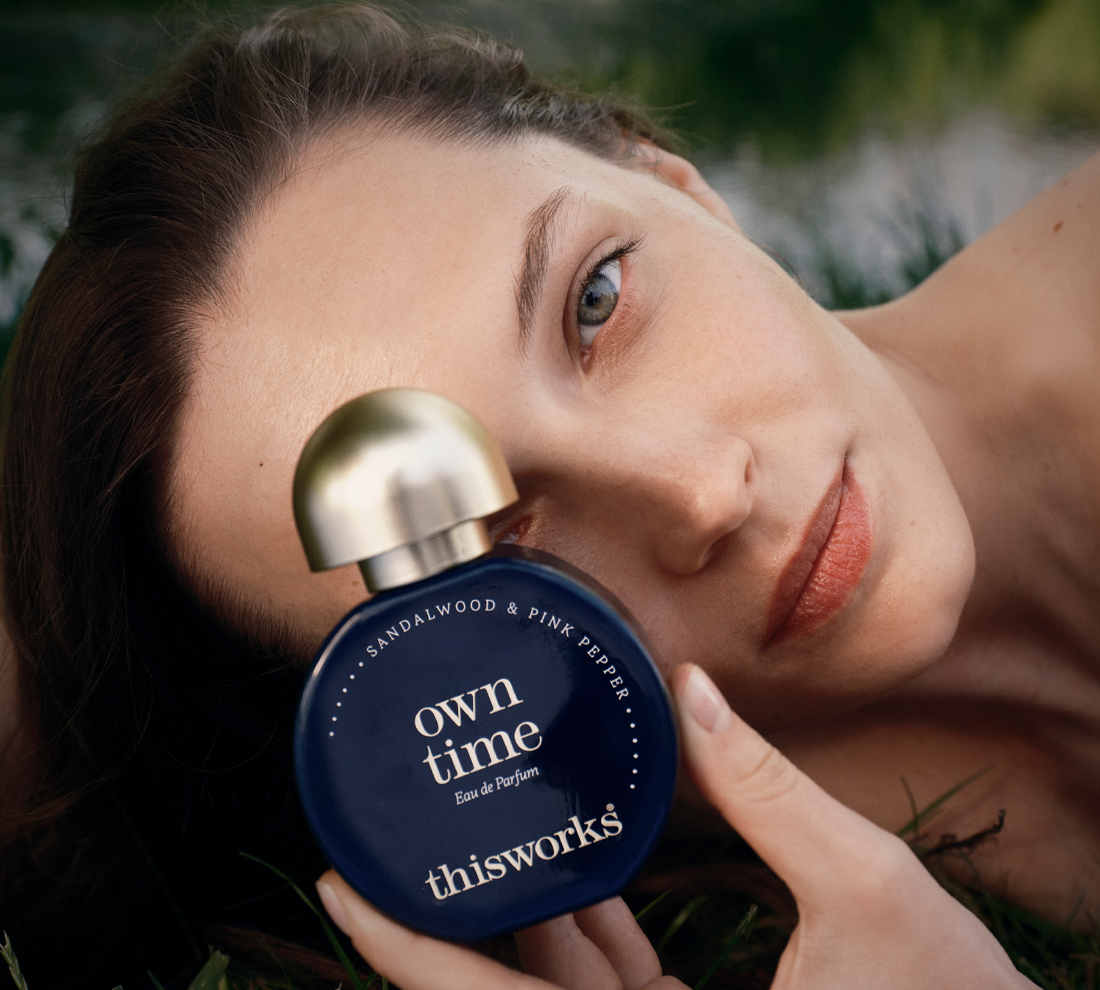 fragranceOwn Time Eau de Parfum featured in Refinery29: the connection between scent and wellbeingOwn Time Eau de Parfum features in a personal Refinery29 exploration of fragrance, self-care and endometriosis, with our CEO Dr Anna Persaud sharing the science behind scent, memory and emotion.read post
