



reconnect this Valentine’s Day
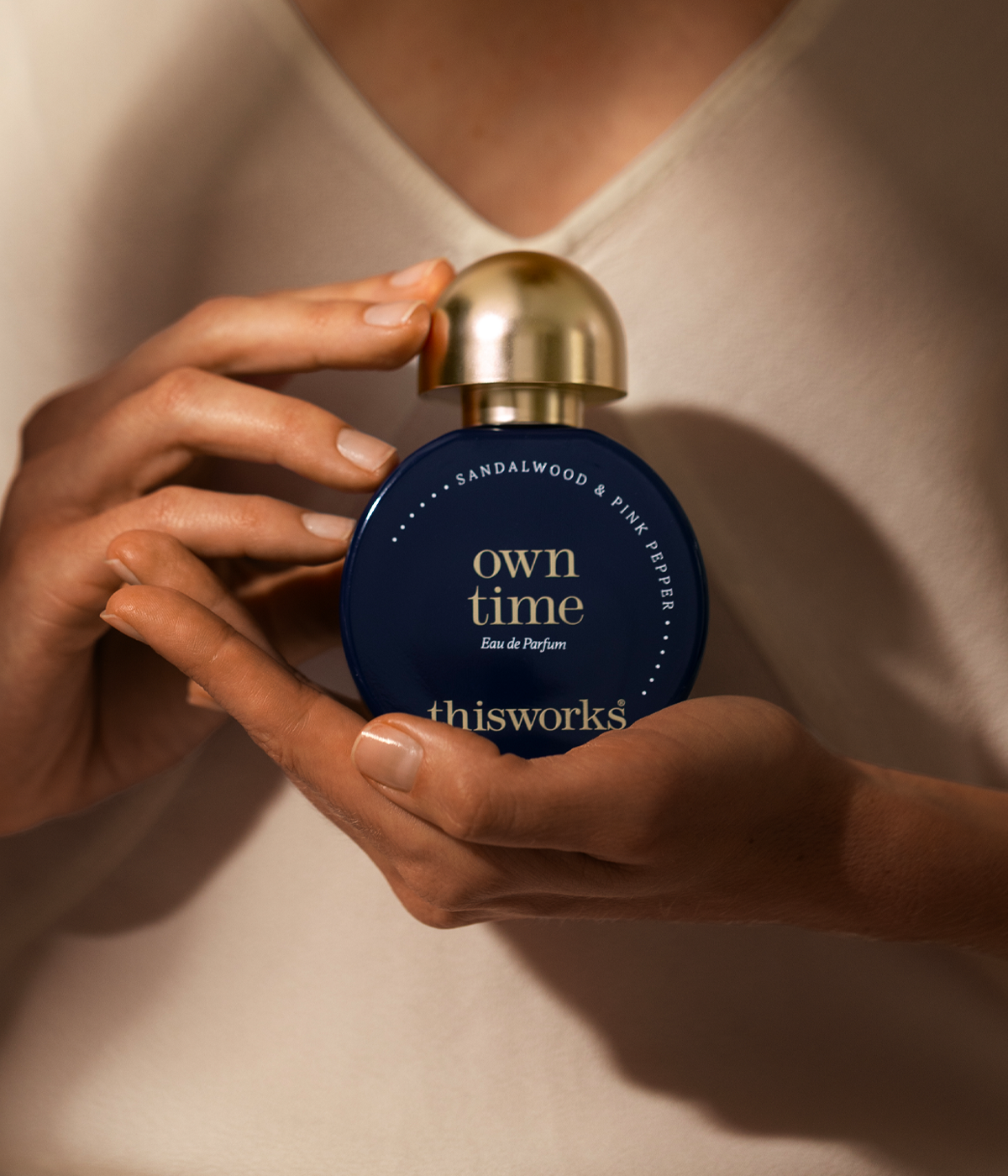
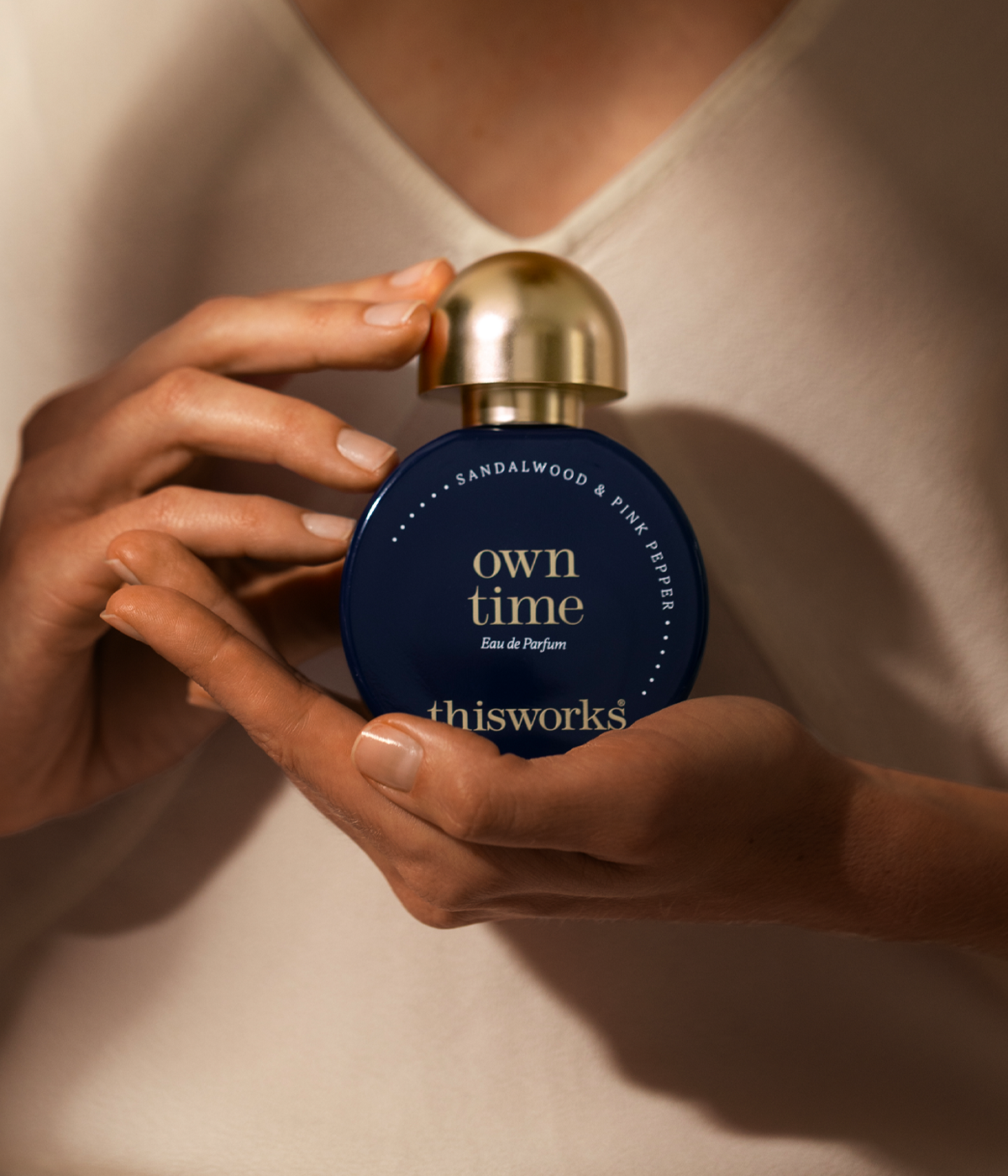
make the space for quality time, connection and intimacy with the help of our first Eau De Parfum, Own Time
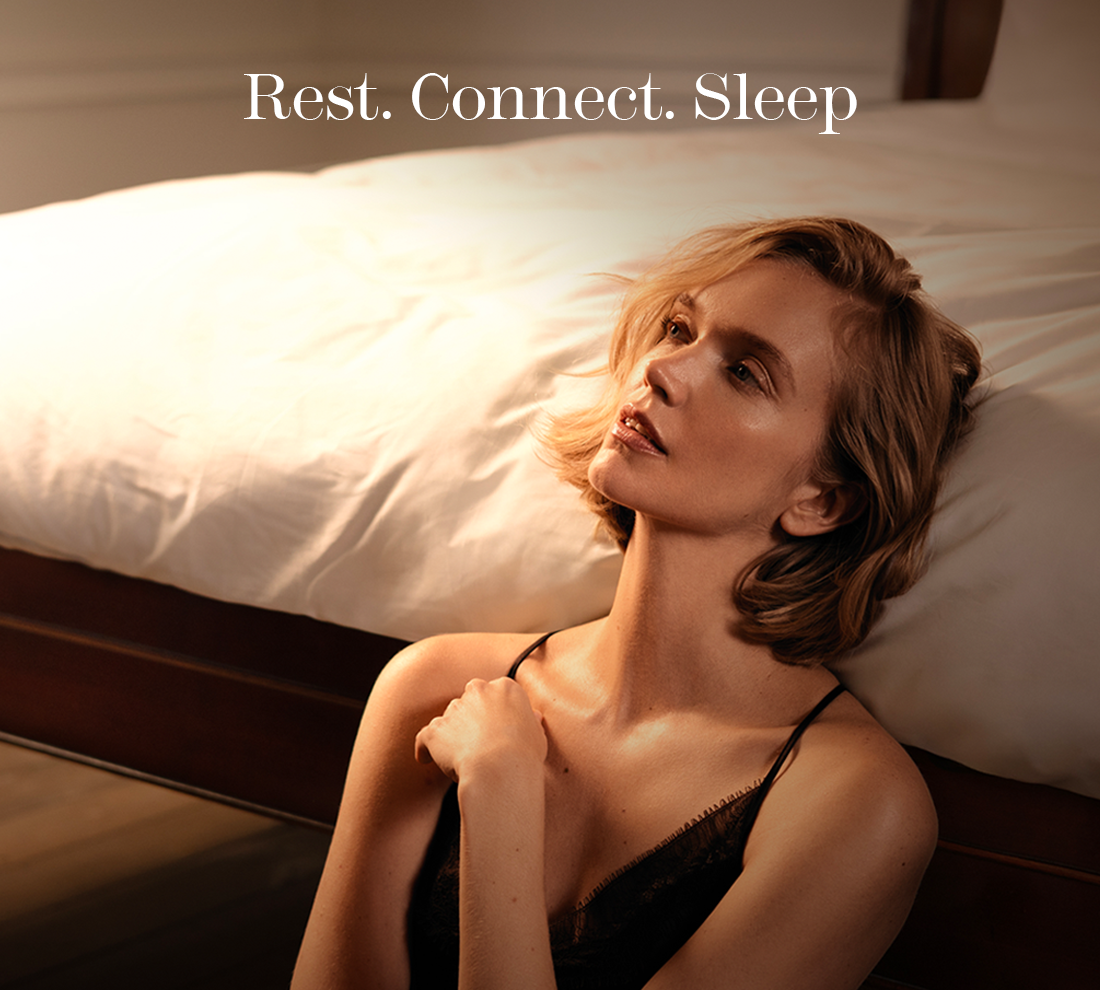
Do you ever find yourself craving connection with your partner, but struggling to make it happen? When juggling the demands of modern life, you may feel like time for your partner, or yourself, is low on your priority list. If your evening routine feels like a continuation of daytime alertness, rushing to eat and clean up, before mindlessly scrolling or binge-watching, all without sharing a considered moment with your partner, you’re not alone.
It may not be that you’ve lost your spark, or you’ve become too comfortable – you could be suffering with a dysregulated nervous system, which leaves you feeling overstimulated, overwhelmed and lacking energy to nourish your closest connections. Does finding quality time for self-care or your loved one feel like another thing to add to the ever-growing to-do list? Quality time and real connection don’t have to be reserved for weekends away or holidays once a year – it starts with prioritising what your body needs to rediscover what should come naturally.
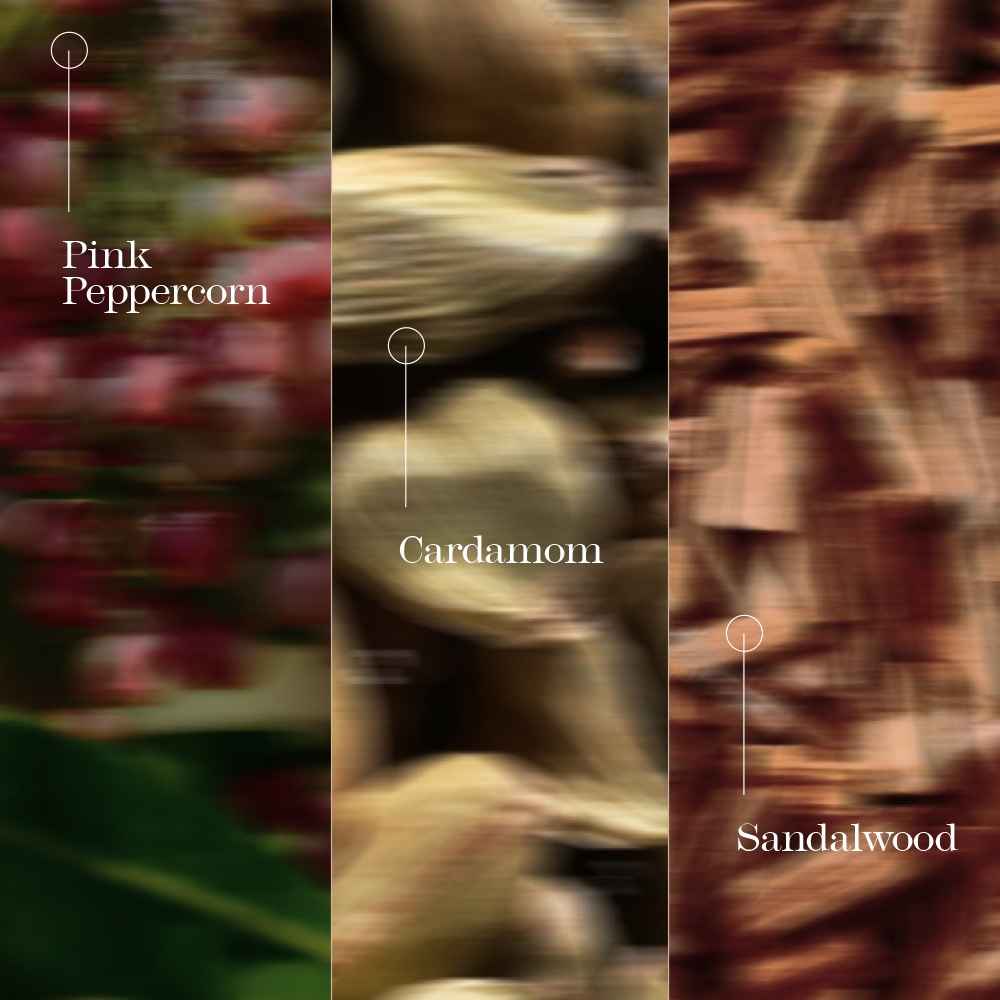
This Valentine’s Day, we’re encouraging you to try something entirely new together – to truly slow things down and connect through conversation and intimacy. Our new Eau De Parfum, Own Time, is a first-of-its-kind luxury neuroscent, specifically designed to help support the parasympathetic nervous system and promote rest. It uses a unique blend of terpenes and sesquiterpenes to soothe the senses, reduce stress, and initiate a neurojourney that rewrites your 5-9, helping you to switch off from daytime stress, and melt into relaxation for the evening hours.
It’s difficult for some to feel ‘in the mood’ for intimacy or vulnerability when our brains are stuck in a loop of constantly feeling on high alert, ready for the next ‘threat’ and managing anxiety. Own Time supports your brain and body from the moment you clock off. It helps bridge the transition from fight-or-flight to rest-and-digest, allowing you to harness those precious evening hours by creating a sense of safety that allows you to ‘let go’. When we do this, we can open our evenings and ourselves to rest, connection, and intimacy .

a gift with a difference
Own Time is the perfect gift because it’s something that your loved one will use and feel the benefit of way beyond Valentine’s Day. When we shift from the sympathetic (fight or flight) to the parasympathetic state (rest and digest), we can step away from the stresses of the day to be in the ‘here and now’, which creates space for connection and intimacy to happen naturally. Psychosexual therapist Kate Moyle explains, “Sex is always in context. It’s in part why sex can become predictable, why we can feel safe and more open in certain environments, and why so many of us can struggle with what I describe as ‘switching off to turn on’; when it feels like we can’t escape our own headspace. The relationship with our smartphones creates a disconnect with those we’re physically present with. Creating the context and space to connect either with yourself or a partner can play a game-changing role in our sexual wellbeing.
Gifting Own Time is gifting an opportunity to help them create a safe space for what should feel natural in the evening hours – rest, connection and better sleep. It is a way to let your loved one know you see, hear and care deeply about their wellbeing, first and foremost. Adding the fragrance to your ritual every day can help evenings become a time where your relationship has space to be a priority. By meeting each other in a place of regulation, your head is clearer, your body is more relaxed, and you may find that over time, you’re more open to connection and closeness.
how does it work?
Own Time works through olfactory neuromodulation - the process by which scent signals travel directly from the nose to the parts of the brain that govern emotion, memory, stress response and hormone balance. Because this pathway bypasses conscious thought, scent can influence how you feel quickly and instinctively, helping the body begin its transition out of the day.
The formula contains a carefully selected blend of terpenes - naturally occurring aromatic molecules found in plants - which research suggests can help support the body’s shift away from daytime alertness and towards a calmer, more restorative state. Rather than simply smelling relaxing, these ingredients work with the nervous system to help encourage the body’s natural “rest and digest” response, supporting the kind of softness and downshifting that’s needed in the evening.
Alongside this, Own Time includes a next-generation odourless sesquiterpene that works in harmony with the body’s circadian rhythm. Although you can’t smell it, it supports the body’s natural transition into evening mode, helping to encourage readiness for restorative rest at a physiological level .
The formula also includes a UV-activated molecule, which allows the fragrance to gently evolve with light exposure, adding a soft, warming layer for daytime wear.
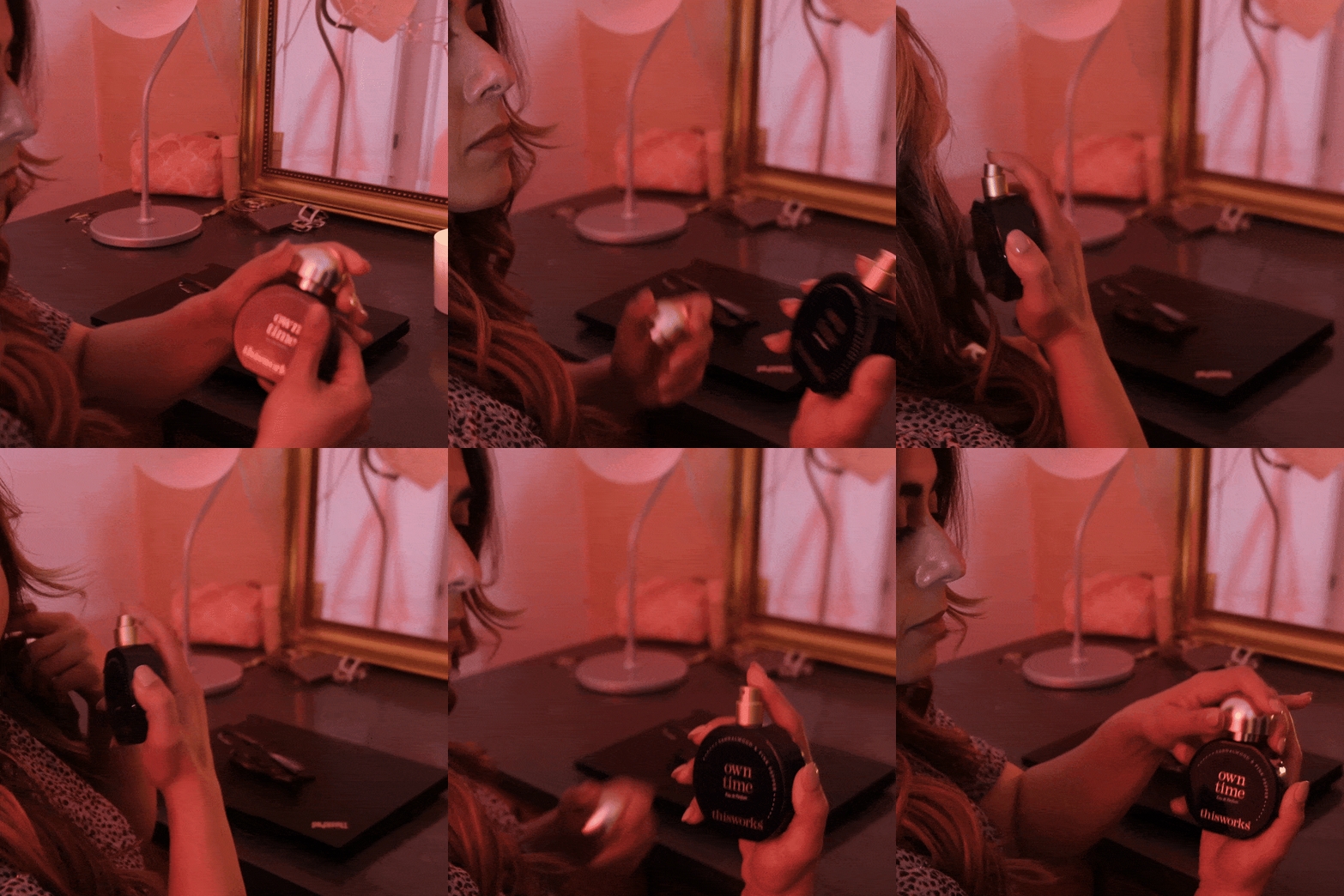
Over time, Own Time becomes more than just a fragrance - it becomes a neural and sensory cue. Spritzing onto the skin at the same time each day creates a familiar sensory experience and a gentle reminder to your brain that ‘you’re home, it’s safe, leave the day behind you’. Mindfully choosing behavioural changes that support mental calm and physical relaxation will, over time, help the brain form new neural pathways and support the balance of the nervous system. With repetition, the brain begins to associate the scent with switching off, helping to make that transition from doing to being.
how to take your partner on a neuro-journey this Valentine’s Day (and beyond)
switch off from stressors
By 6 pm, spritz Own Time onto both of your wrists and make a conscious pact to clock off and leave everything that came before behind. This evening is about you. Take a deep inhale of the fragrance, relax your shoulders, and exhale.
set the table
Even if you live together, taking time to cook a meal, putting away your phones and giving each other undivided attention probably doesn’t happen very often. Rather than eating on the go, set a beautiful table with calming candlelight, and sit opposite each other while you enjoy your meal.
set the mood
Use the window of time after dinner to reduce any overstimulation and create an ambience that feels like the perfect space to prioritise calm and connection. Light a candle, maybe change into something comfortable, sit down, and just ‘be’.
pave the way for intimacy
For many, intimacy is more about an emotional connection before a physical one. Open space for intimacy, softness and emotional closeness, free from distraction. Prioritise connection through conversation, laughter or engaging in something you love to do together. From here, sex feels like a natural progression.
prepare for peaceful sleep
End your night with a pre-bedtime routine that sets you both up for a peaceful sleep. Change into comfortable, breathable pyjamas, indulge in sleep-promoting skin and bodycare, turn down the heating and the lights and let yourself drift without resistance.
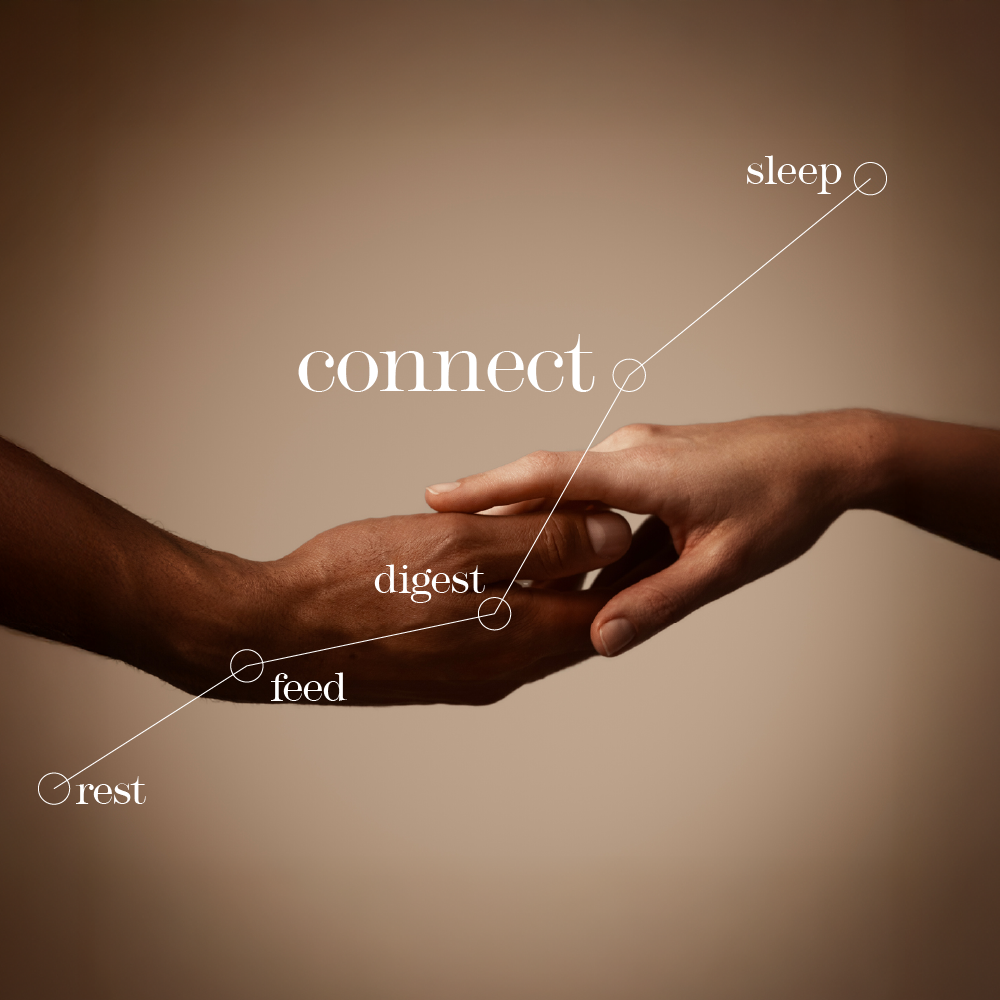
science led connection rituals using Own Time
ritual 1: for single people
Take a moment to arrive. Let your body settle where you are. Feet supported. Jaw soft. Shoulders dropping. Place one hand on your chest and one on your abdomen. Breathe in through the nose for four, and out through the mouth for six. Longer exhales stimulate the vagus nerve and begin to shift the nervous system out of sympathetic alert and toward parasympathetic regulation. Now is the moment for Own Time. Apply the fragrance slowly. Notice the sensory signal reaching the brain before thought. Scent has a direct pathway to the limbic system, bypassing cognition and influencing autonomic state. This is a transition cue - from vigilance to safety, from doing to being. Valentine’s Day is often framed as romance. Biologically, what we seek is connection, and connection requires a regulated nervous system. Gently ask yourself what is present for you around connection right now. There is no correct emotional response. Naming what is present engages the prefrontal cortex and reduces limbic reactivity. Offer your body something predictable and warm. Consistency builds nervous system trust. As parasympathetic tone increases, oxytocin - the bonding hormone - can be released, including in connection with yourself. Place a hand on your heart. Connection is not something you have failed at. It is something your nervous system is learning to trust.
ritual 2: for couples
Before words, before conversation, begin with regulation. Sit or stand close enough to sense each other’s presence. Place one hand on your own body or gently hold hands. Breathe together - in for four, out for six. Synchronised breathing supports vagal tone and reduces sympathetic activation. Introduce Own Time. Apply the fragrance individually or together. Scent communicates directly with the limbic brain, signalling transition from alertness to parasympathetic safety. This prepares the nervous system for connection - not performance. Human bonding begins with physiology, not words. When the nervous system feels safe, heart rate slows, muscle tone softens, and oxytocin becomes available. This is the biology of closeness. Before speaking, ask silently whether you are regulated enough to be present. If there is tension, stay with the body - gentle touch, shared breath, stillness. Regulation comes before resolution. Valentine’s Day does not require intensity. It requires safety. Predictability with warmth allows trust, desire, and intimacy to deepen over time. Connection is not something we demand; it is something we allow when the nervous system feels safe enough to open.

related posts
 sleep hygienecan you train your brain for bedtime?Can a familiar scent become a signal that it is time to sleep? Professor Gaby Badre explores the connection between scent, the brain and nervous system — and how repeated sensory cues may help support the transition from daytime alertness...read post
 sleep hygienewhen the brain won’t switch off: understanding chronic insomniaWhy can sleep remain difficult long after the original trigger has passed? Professor Gaby Badre explores the science of chronic insomnia, the hyperarousal that can keep the brain alert at night, and how the brain can be retrained for sleep.read post
 red lightRed Magazine features Dr Anna Persaud’s story: can we use our senses to make us feel safe?In Red, Dr Anna Persaud shares her personal experience of anxiety and how neuroscience, therapy and sensory rituals helped her understand her nervous system – and find new ways to switch off.read post
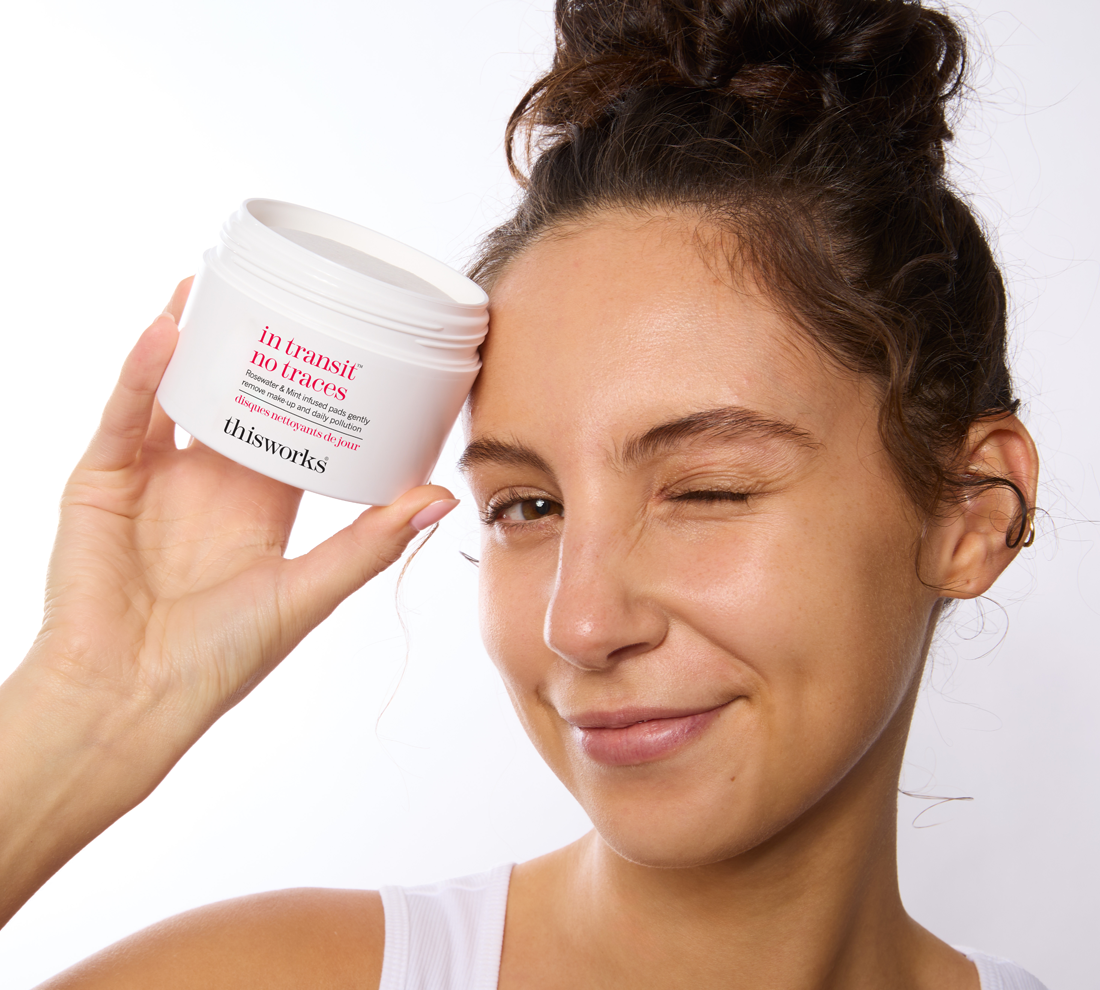 skincare concernsin transit no traces featured in British Vogue: the cleansing essential for hard waterOur in transit no traces cleansing pads have been featured in British Vogue as a Vogue-approved skincare solution for hard water, helping remove lingering residue without the need to rinse.read post
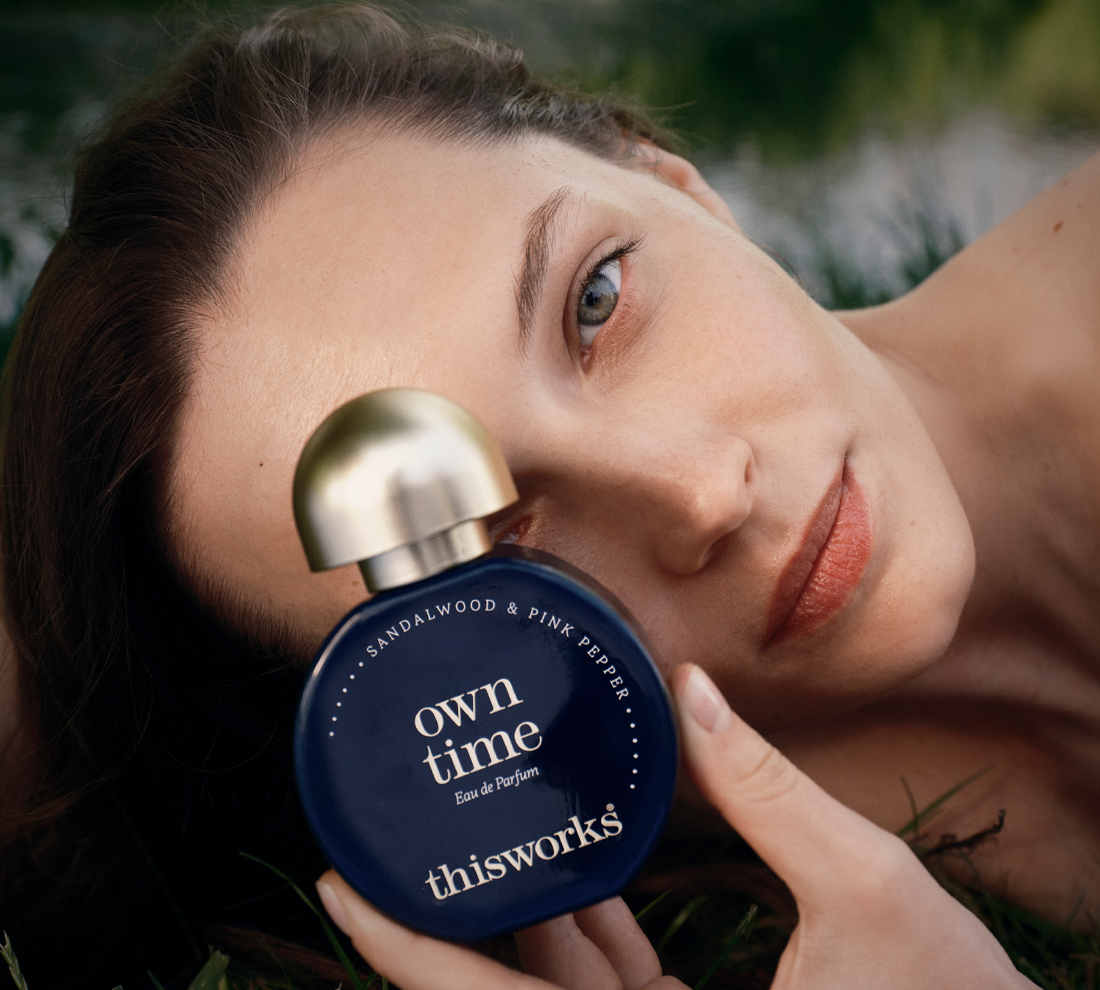 fragranceOwn Time Eau de Parfum featured in Refinery29: the connection between scent and wellbeingOwn Time Eau de Parfum features in a personal Refinery29 exploration of fragrance, self-care and endometriosis, with our CEO Dr Anna Persaud sharing the science behind scent, memory and emotion.read post
 bodycare concernssummer skin recoverySummer may leave skin dry, dull and depleted, but recovery is about more than restoring your glow. Discover how intelligent skincare, technology and the power of touch can help replenish post-summer skin while reconnecting you with the body you live...read post
 sleep hygienethe science of switching off – a Doctor’s perspectiveDr Lana Gault explores the science behind switching off, from nervous system regulation and circadian rhythms to the simple, repeatable cues that can help prepare the body and brain for sleep.read post
 sleep hygienethe science of switching offYou don’t just have a sleep problem, you have a switching off problem. Sensory care rituals and neuroscience-informed products designed to support the transition into sleep and recovery.read post

