find your skin rhythm
understanding the biological cycles of your skin and how you can use therapeutic touch as a tool for nervous system regulation

The skin is often thought of as a simple protective layer between the body and the environment, but recent research reveals it is far more dynamic than that. Skin is a neuroendocrine organ, a sensory interface, and a rhythmic part of the body’s internal biological clocks. In the same way the heart beats, the skin follows biological rhythms that shape processes such as repair, immunity, perception, and emotional regulation.
At the same time, therapeutic traditions – such as rhythmical massage, craniosacral therapy, and somatic touch - have long incorporated rhythmic, patterned touch in their practices. Emerging scientific evidence suggests that rhythmic tactile stimulation can influence the autonomic nervous system and its response to stress, emotion, and physiological coherence. This convergence of chronobiology and touch science suggests “skin rhythm” as both a biological and therapeutic phenomenon.
biological rhythms in the skin
circadian rhythms and peripheral skin clocks
Circadian rhythms are internal 24-hour cycles coordinated by the brain’s suprachiasmatic nucleus that influence tissues outside of the central nervous system, including the skin. Skin cells contain clock genes that regulate cell proliferation, DNA repair, barrier function, and immune activity. Research shows that skin repair processes, such as DNA repair after ultraviolet exposure, peak at night, while other processes, such as cell growth and division, vary across the day. (PubMed)
Fibroblasts, keratinocytes, melanocytes, and immune cells in the skin exhibit rhythmic gene expression that affects collagen production, pigmentation, and wound healing. Disruption of these rhythms (through sleep deprivation, shift work, or chronic stress) has been linked to premature ageing, impaired barrier function, and inflammatory skin disorders. (PubMed)
Recent chronobiology research suggests that collagen metabolism itself follows day/night oscillations, with distinct phases for assembly, secretion, and degradation. This has led to the emergence of chronodermatology, which explores time-dependent skincare and therapeutic interventions. (PubMed)
ultradian and diurnal skin rhythms
Beyond circadian cycles, skin physiology exhibits ultradian rhythms (cycles longer than an hour but shorter than a day) and daily variations in temperature, blood flow, hydration, and sensitivity. For example, pain sensitivity and the nerves that control skin function vary throughout the day, showing that the body’s internal clock affects how the skin senses pain and how autonomic nerve activity works. (PMC)
These findings suggest that the skin doesn’t just respond to rhythms generated elsewhere but is itself a rhythmic system that interacts with the nervous system, immune system and hormones.
the skin–nervous system interface
The skin is richly innervated with nerve endings, including mechanoreceptors, nociceptors, thermoreceptors, and specialised C-tactile afferents involved in affective touch. Information from these receptors is conveyed not only to the somatosensory cortex, but also to limbic and autonomic networks that support emotional processing and homeostatic regulation.
Touch is not just one of our senses but also a regulatory tool. Studies show that specific tactile touch can unconsciously lower autonomic stress responses and modulate pain pathways. For example, gentle touch on the skin can reduce heat-induced autonomic responses, demonstrating a direct influence of touch on autonomic reflex pathways. (PubMed)

rhythmic therapeutic touch and autonomic regulation
rhythmical massage and heart rate variability
Rhythmic therapeutic touch is characterised by patterned, oscillatory, predictable movements. Randomised controlled trials have demonstrated that rhythmical massage therapy significantly increases heart rate variability (HRV), a marker of parasympathetic (vagal) activity and autonomic flexibility. These effects were greater than those produced by sham massage and persisted beyond the treatment session. (PubMed)
Heart rate variability is widely used as a measure of nervous system regulation; higher variability is associated with resilience, emotional regulation, and cardiovascular health. The capacity of rhythmic touch to enhance HRV suggests that patterned, repeated, tactile touch can shift automatic body rhythms toward a calmer, more relaxed state (parasympathetic dominance).
affective and rhythmic touch
Experimental studies comparing slow stroking, rhythmic touching, and attentional focus have found that both slow stroking and rhythmic touch decrease heart rate and increase parasympathetic indicators such as high-frequency HRV and respiratory rate. Interestingly, rhythmic touch produced similar autonomic benefits despite being perceived as less pleasant, indicating that rhythm itself may be a key regulatory feature. (PubMed)
This supports the idea that rhythmic tactile patterns interact with neural oscillatory systems, potentially entraining physiological rhythms.
rhythmic sensory stimulation beyond massage
Earlier physiological studies demonstrated that rhythmic sensory stimulation can improve baroreflex sensitivity and lower blood pressure, producing autonomic adaptations comparable to exercise. (PubMed) These findings highlight the nervous system’s capacity to be conditioned by patterned sensory input, even in the absence of muscular effort.

mechanisms of skin rhythm and therapeutic touch
entrainment and resonance
Biological systems naturally follow rhythms and can synchronise with recurring environmental signals. Light is capable of resetting the body clock, breathing influences heart rhythms, and social interaction can align brain activity. In the same way, rhythmic touch may help synchronise skin and autonomic nervous system rhythms.
From a neurophysiological perspective, rhythmic touch activates mechanoreceptors with temporal patterns that are processed by somatosensory and limbic networks. These patterns can influence central autonomic circuits, including the vagus nerve pathways, hypothalamus, and brainstem nuclei, leading to shifts in sympathetic–parasympathetic balance.
interoception and predictive coding
Rhythmic touch may also enhance the perception of internal bodily states by providing predictable sensory input. Predictable rhythmic stimulation reduces uncertainty and threat, facilitating parasympathetic dominance and emotional regulation.
skin as a peripheral clock modulator
Because the skin contains peripheral circadian clocks, rhythmic tactile stimulation may interact with local temporal biology. Touch delivered at specific times of day could theoretically influence gene expression, immune activity, and repair processes.
clinical and therapeutic implications
The concept of skin rhythm suggests several clinical and therapeutic applications:
- trauma and stress regulation
Rhythmic touch may stabilise dysregulated autonomic rhythms in trauma and anxiety disorders, promoting vagal tone and emotional regulation. - sleep and circadian health
Evening rhythmic touch could support nocturnal parasympathetic dominance and improve sleep quality, aligning with skin repair cycles. - pain and sensory disorders
Predictable tactile rhythms may modulate nociceptive processing and sympathetic reactivity in chronic pain conditions. - chronotherapy and somatic timing
Integrating therapeutic touch with circadian timing (e.g., stimulating repair-promoting rhythms at night) could optimise therapeutic outcomes.
The emerging evidence supports a model in which the skin is both a rhythmic biological organ and a rhythmic communication interface between organism and environment. Rhythmic therapeutic touch may act as an external oscillator, entraining cutaneous, neural, and autonomic rhythms toward coherence.
This integrative view bridges dermatology, neuroscience, and somatic therapy, suggesting that rhythm is a fundamental organising principle of embodied health.

Appendix: Selected Peer-Reviewed References
- Duan, J., Greenberg, E. N., Karri, S. S., & Andersen, B. (2021). The circadian clock and diseases of the skin. FEBS Letters, 595(19), 2413–2436. (PMC)
- Kaczvinsky, J. R., et al. (2019). Circadian rhythms in skin and other elastic tissues. Matrix Biology, 84, 97–110. (ScienceDirect)
- Sandhu, J. K., et al. (2019). Circadian rhythm and the skin: A review of the literature. Dermatology Research and Practice. (PubMed)
- Zhu, Y., et al. (2022). The diurnal profile of human basal pain sensitivity and skin sympathetic nerve activity. Frontiers in Neuroscience, 16, 810166. (PMC)
- Zhou, Y., et al. (2026). Targeting circadian rhythm for regulation of skin collagen metabolism. Journal of Cosmetic Dermatology. (PubMed)
- Diego, M. A., et al. (2018). Rhythmical massage improves autonomic nervous system function: A randomised controlled trial. Complementary Therapies in Medicine, 36, 1–8. (PubMed)
- Triscoli, C., et al. (2024). Slow stroking and rhythmic touching effects on autonomic responses. Psychoneuroendocrinology. (PubMed)
- Uvnäs-Moberg, K., et al. (2015). Rhythmic sensory stimulation improves autonomic regulation. Medicine & Science in Sports & Exercise, 47(2), 414–423. (PubMed)
- Inoue, S., et al. (2012). Effect of gentle cutaneous stimulation on autonomic response and pain. Autonomic Neuroscience, 169(2), 100–107. (PubMed)
- Broughton, R., et al. (2023). Sleep deprivation and the skin. Clinical and Experimental Dermatology, 48(10), 1113–1116. (OUP Academic)
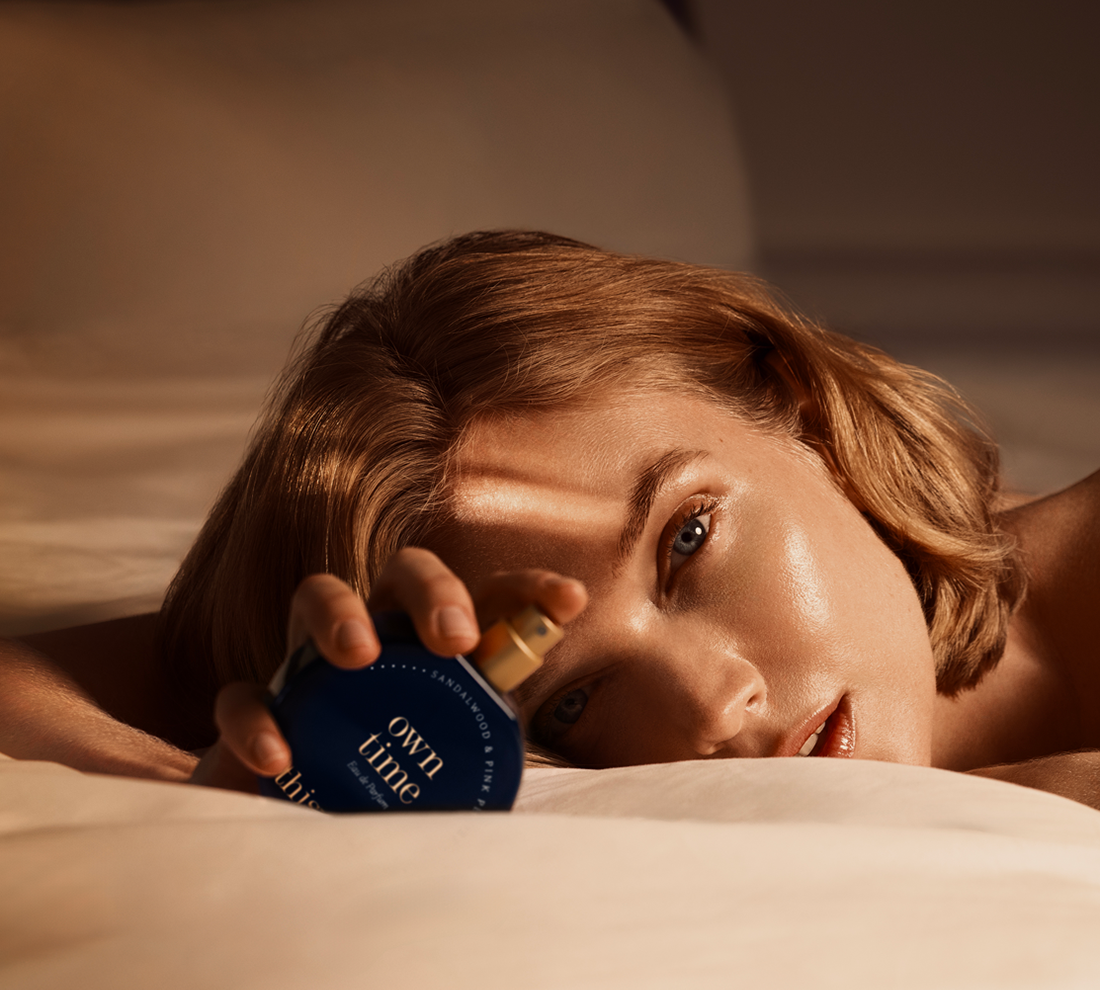 fragranceOwn Time Eau de Parfum wins an Oprah Daily Beauty O-ward for best bedtime scentOur Own Time Eau de Parfum has been named Best Bedtime Scent in the Oprah Daily Beauty O-wards, celebrating the very best in beauty and wellbeing.read post
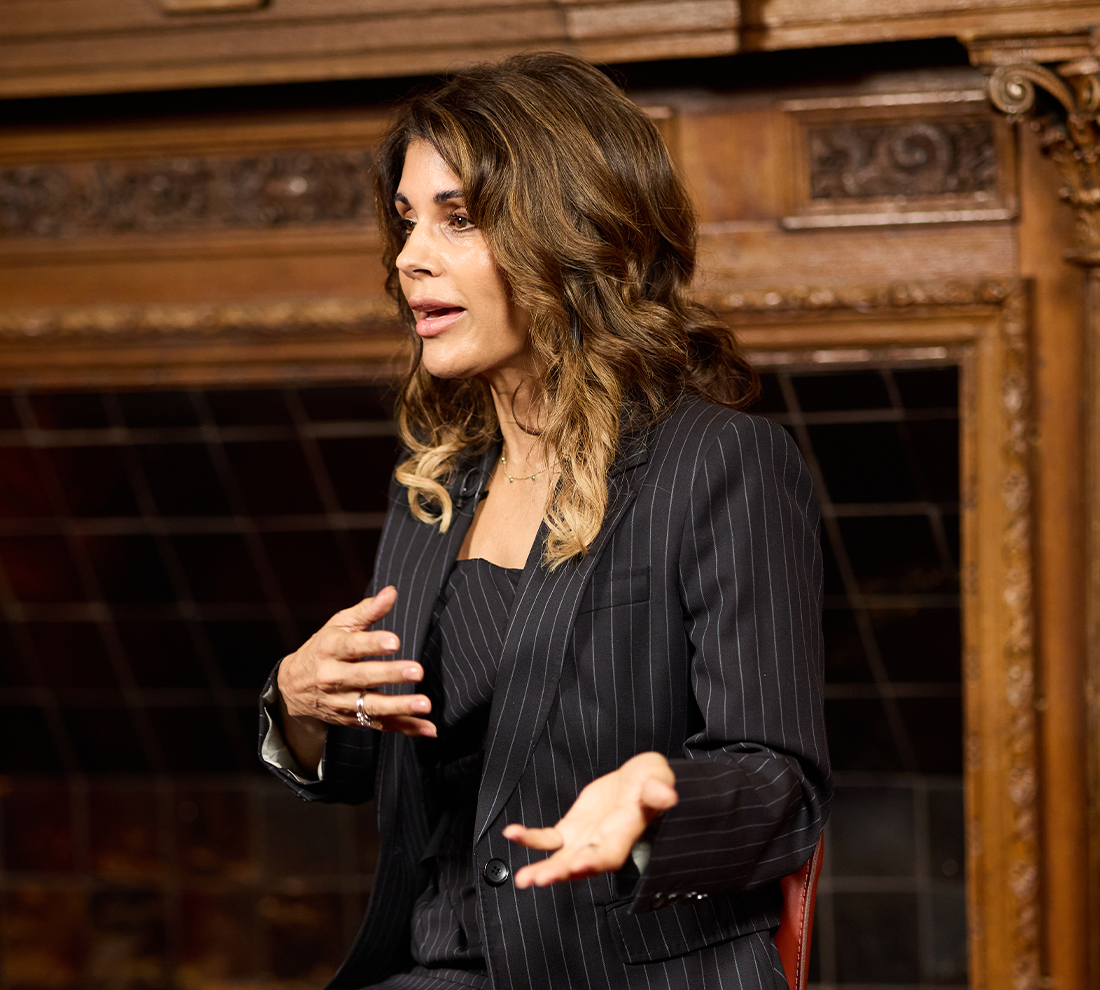 sleep hygienethe science of switching off: Dr Anna Persaud in the Financial TimesDr Anna Persaud, CEO of This Works, joins the Financial Times’ Brains of Wellbeing + Beauty series to explore what it really takes to get a better night’s sleep.read post
 joywellness weekender: five days to reconnect with your nervous systemJoin us this August Bank Holiday for five days of neuroscience-led rituals designed to help you regulate your nervous system through sensory care. Together we'll explore aroma, light, touch, movement and mindful self-assessment, discovering how small daily rituals can create...read post
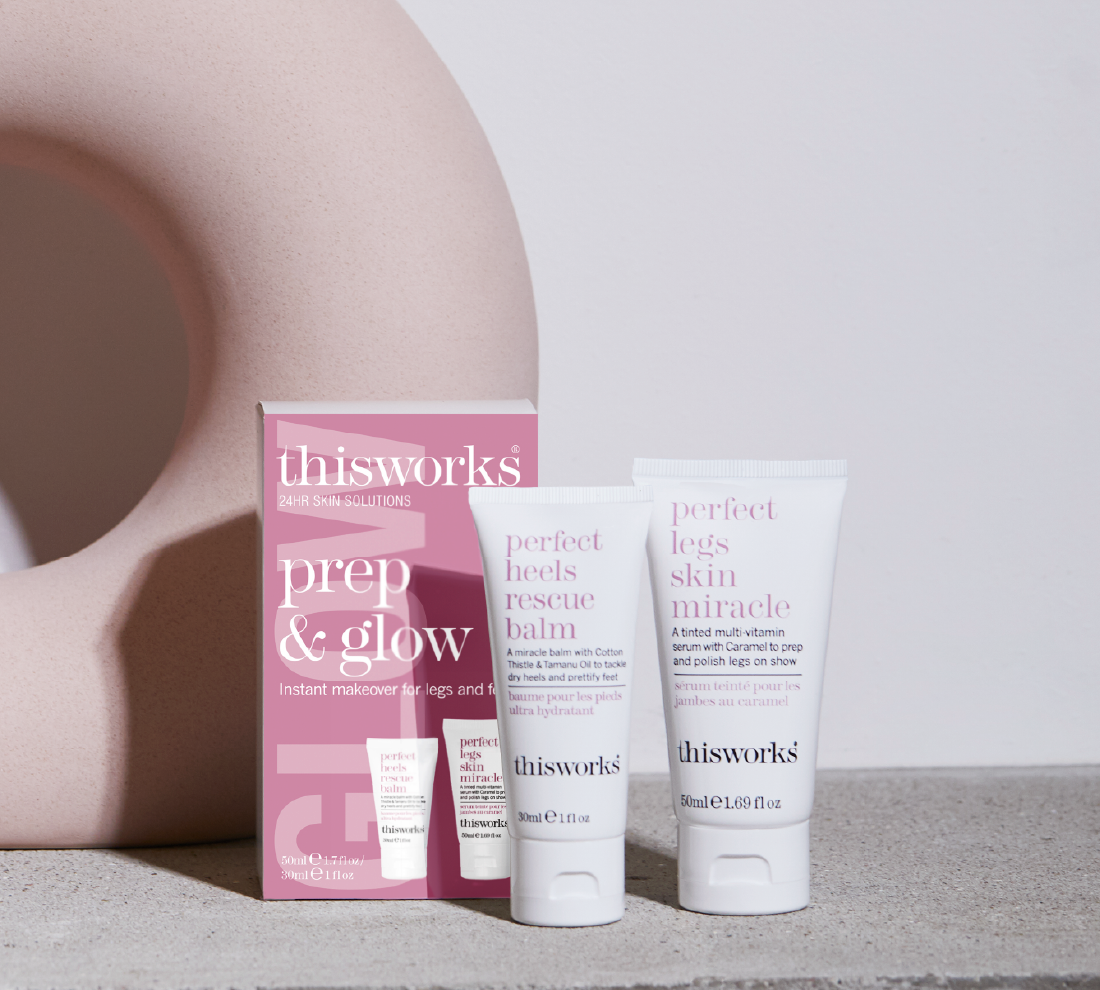 joythe wellness gift guide: how to choose something worth givingFinding the perfect gift isn't about spending more—it's about choosing something thoughtful. Whether you're shopping for wellness gift sets, skincare gift sets, relaxation gifts or sleep gifts for someone special, discover how to choose gifts that encourage rest, relaxation and...read post
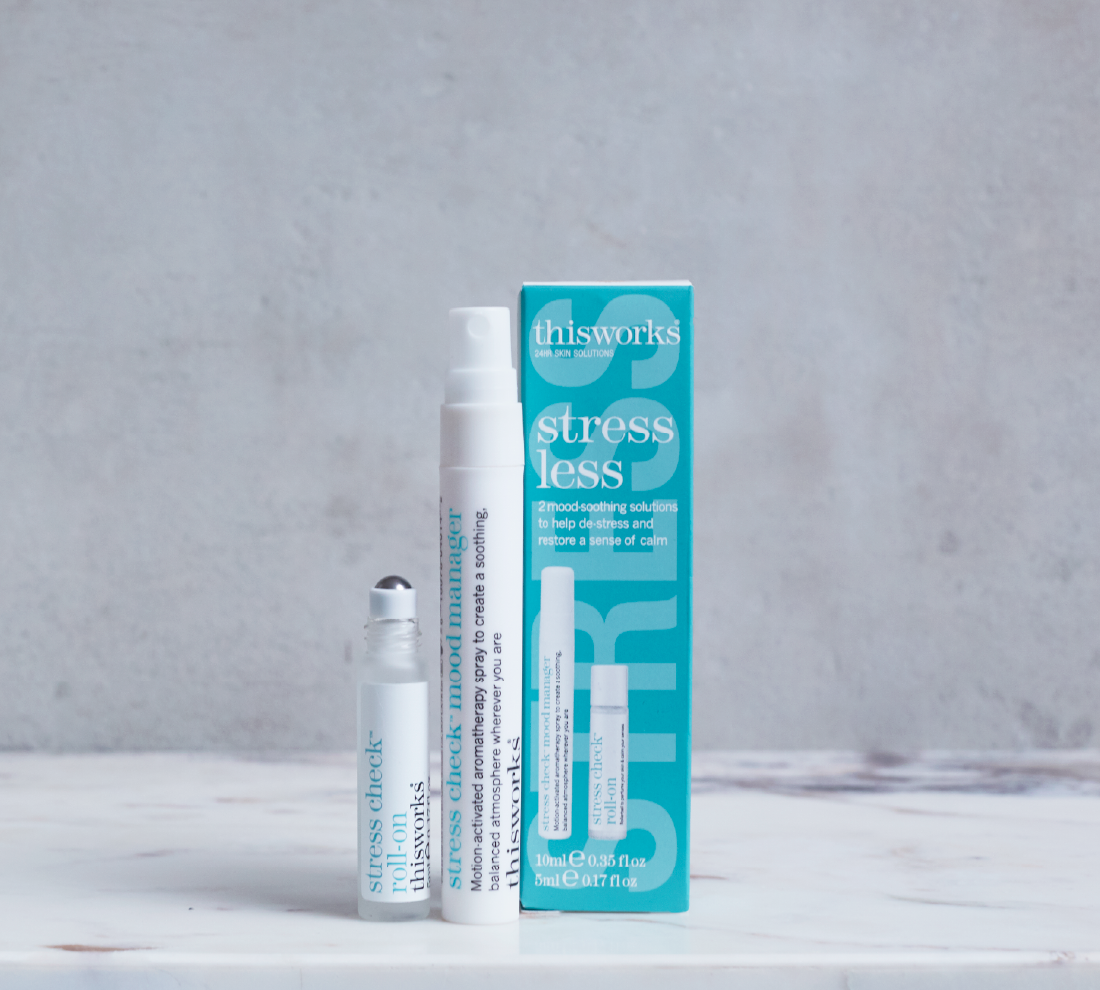 joywellness gifts for new mums: what they actually needThe best gifts for new mums aren't always the biggest—they're the ones that help her feel cared for. Whether you're shopping for a baby shower, celebrating a new arrival or simply letting someone know you're thinking of them, discover thoughtful...read post
 joythe best wellness gift sets: tried, tested and worth the investmentThe best gifts become part of someone's everyday routine. Whether you're shopping for wellness gift sets, sleep gifts, pamper gift sets or skincare gift sets, discover thoughtfully curated collections designed to support better sleep, relaxation and everyday wellbeing long after...read post
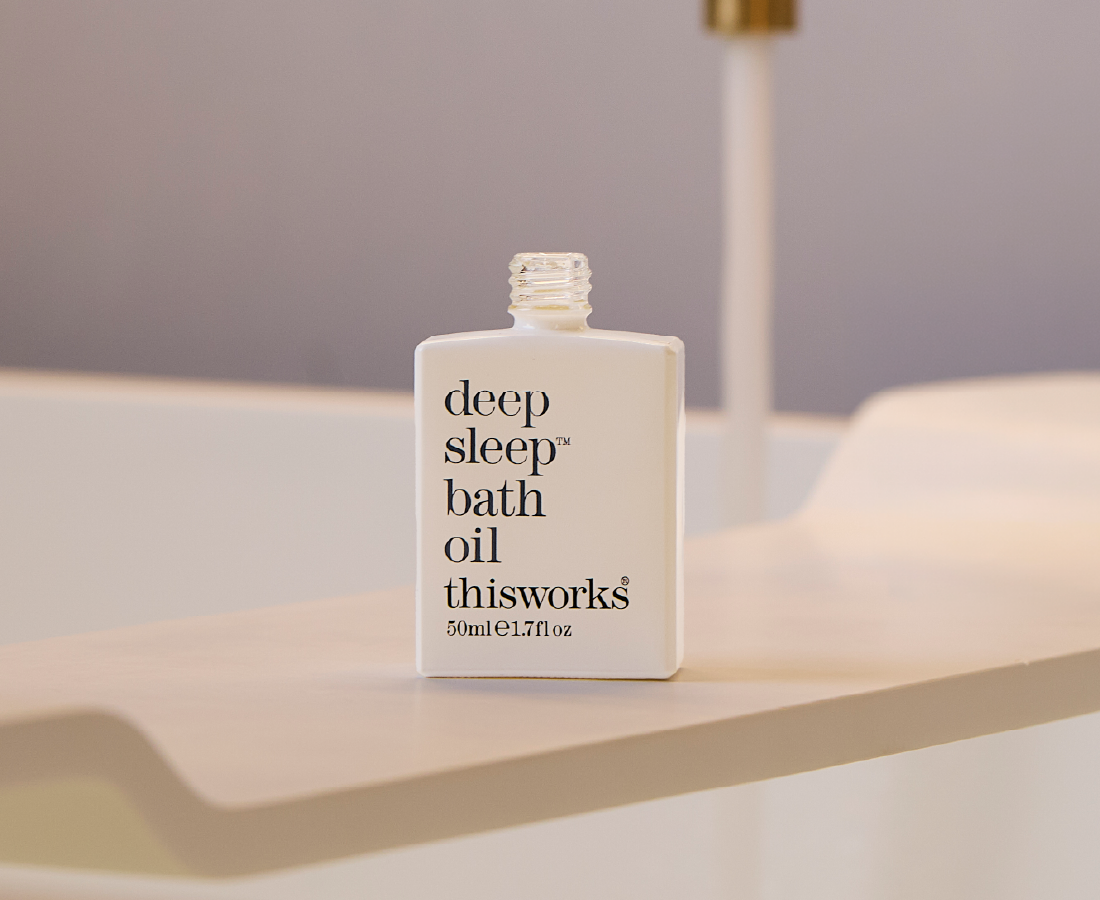 breathworkhow to build a bathing ritual that genuinely helps you switch off and sleepAfter a busy day, switching off isn't always as simple as climbing into bed. Stress, screen time and busy schedules can make it harder for both your mind and body to recognise that it's time to rest. A consistent bathing...read post
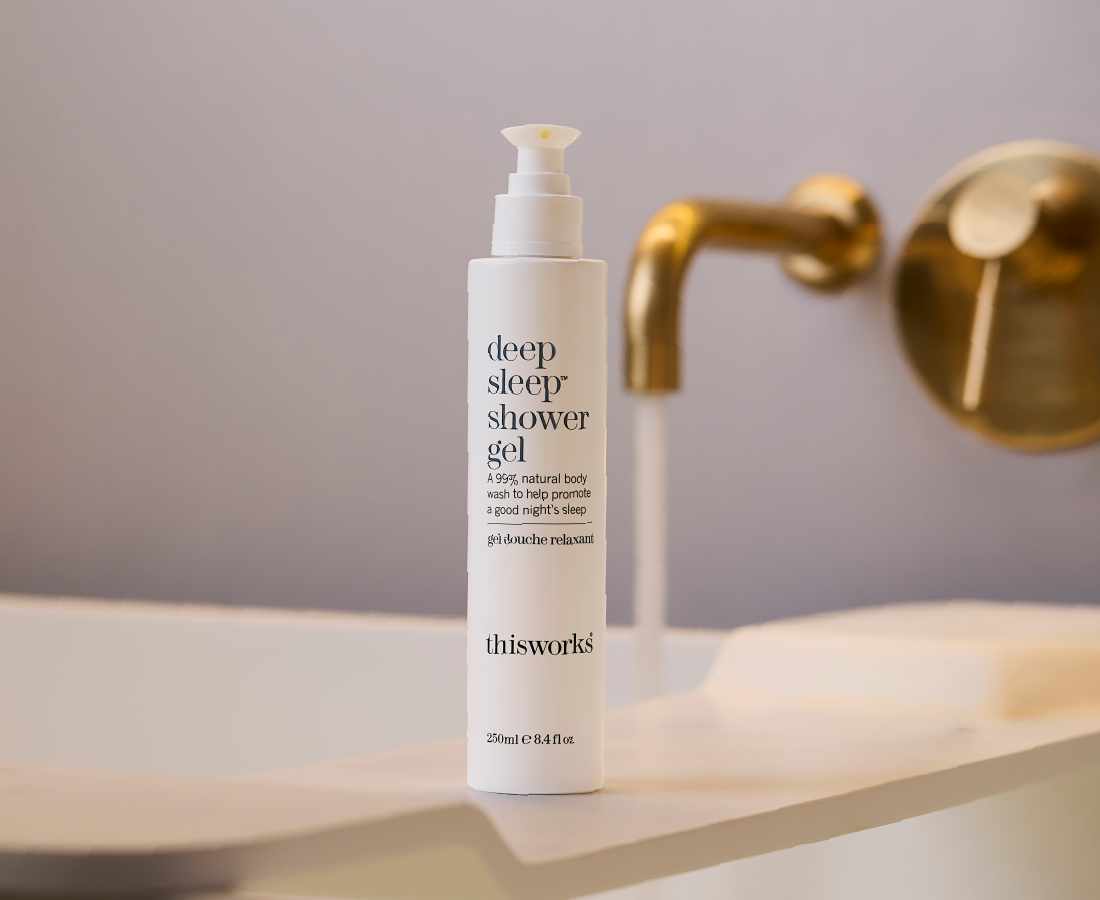 breathworkcan a bath really improve your sleep? what the science saysCan a warm bath before bed really help you sleep better? Science suggests it can. Discover how a simple evening bathing ritual, paired with bath oils, bath salts, calming home fragrance and scented candles, may support your body's natural sleep...read post
