red light therapy for skin: what the science actually shows
How red light therapy supports collagen production, cellular energy and skin repair, and why combining photobiomodulation with CoQ10-based skincare may help optimise long-term skin health.
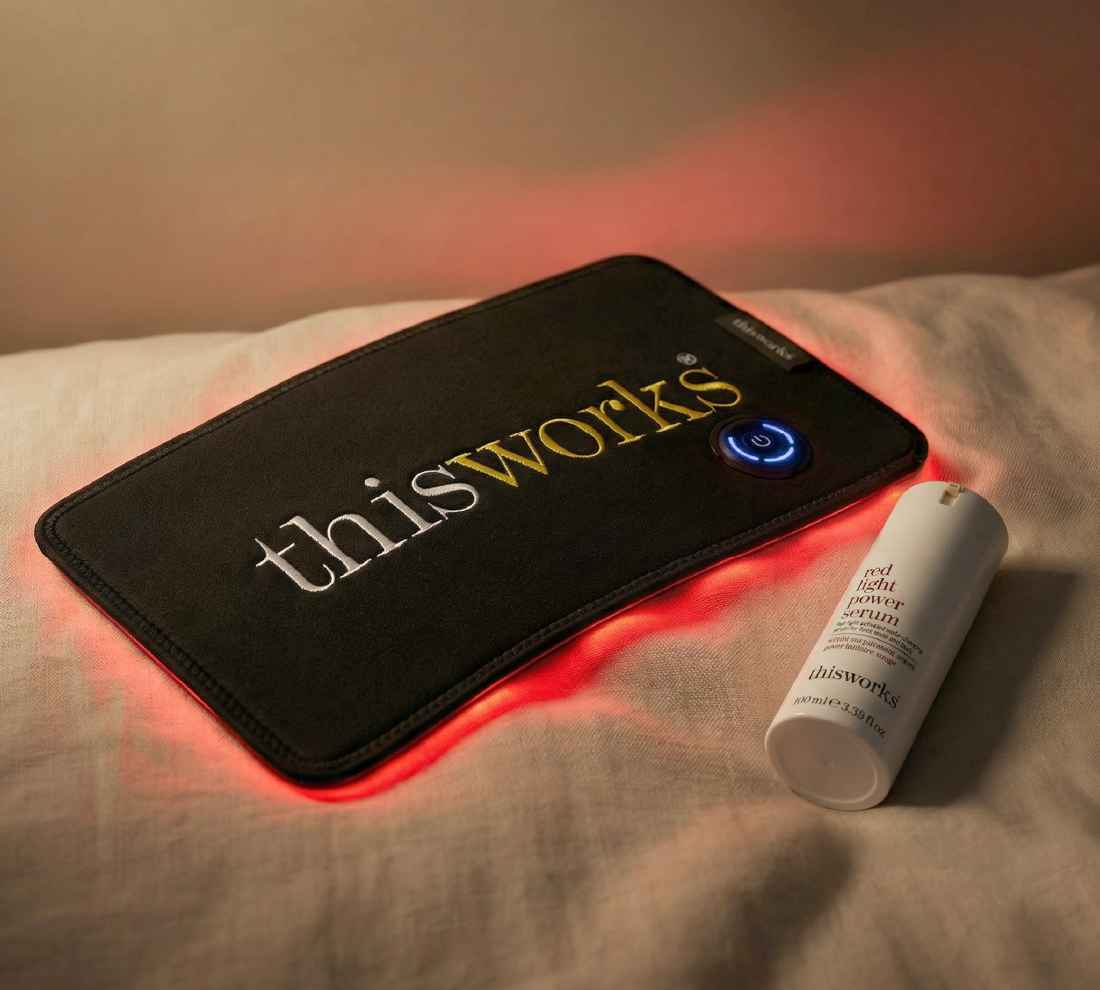
understanding red light therapy for facial skin
The growing interest in red light therapy for facial skin reflects a broader shift towards treatments that work with the body’s biology rather than overriding it.
To understand its role in skin improvement, it is necessary to move beyond surface-level claims and examine the cellular mechanisms that underpin its effects.
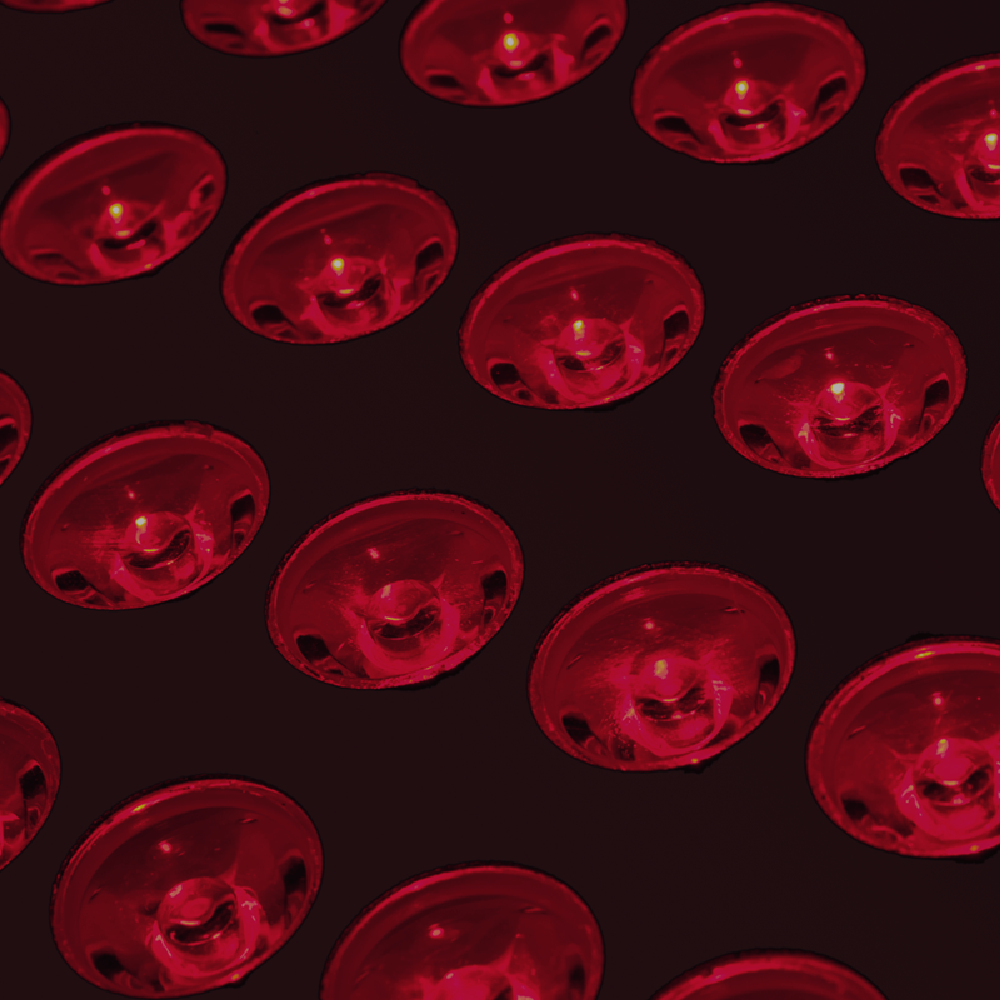
Photobiomodulation, the scientific term for red and near-infrared light therapy, is defined by the absorption of specific wavelengths of light, most commonly around 660 nm (red) and 850 nm (near-infrared), by intracellular chromophores, particularly within the mitochondrial respiratory chain.
Within mitochondria, cytochrome c oxidase acts as a key photoacceptor. When stimulated by these wavelengths, electron transport efficiency increases, leading to enhanced production of adenosine triphosphate (ATP), the primary energy currency of the cell (Karu, 1999; Hamblin, 2017).
Alongside this, photobiomodulation has been shown to modulate reactive oxygen species signalling and nitric oxide availability, both of which play important roles in cellular repair, inflammation regulation and microcirculation. The combined effect is not a forced change in skin structure, but an optimisation of the cellular environment in which repair and regeneration occur.
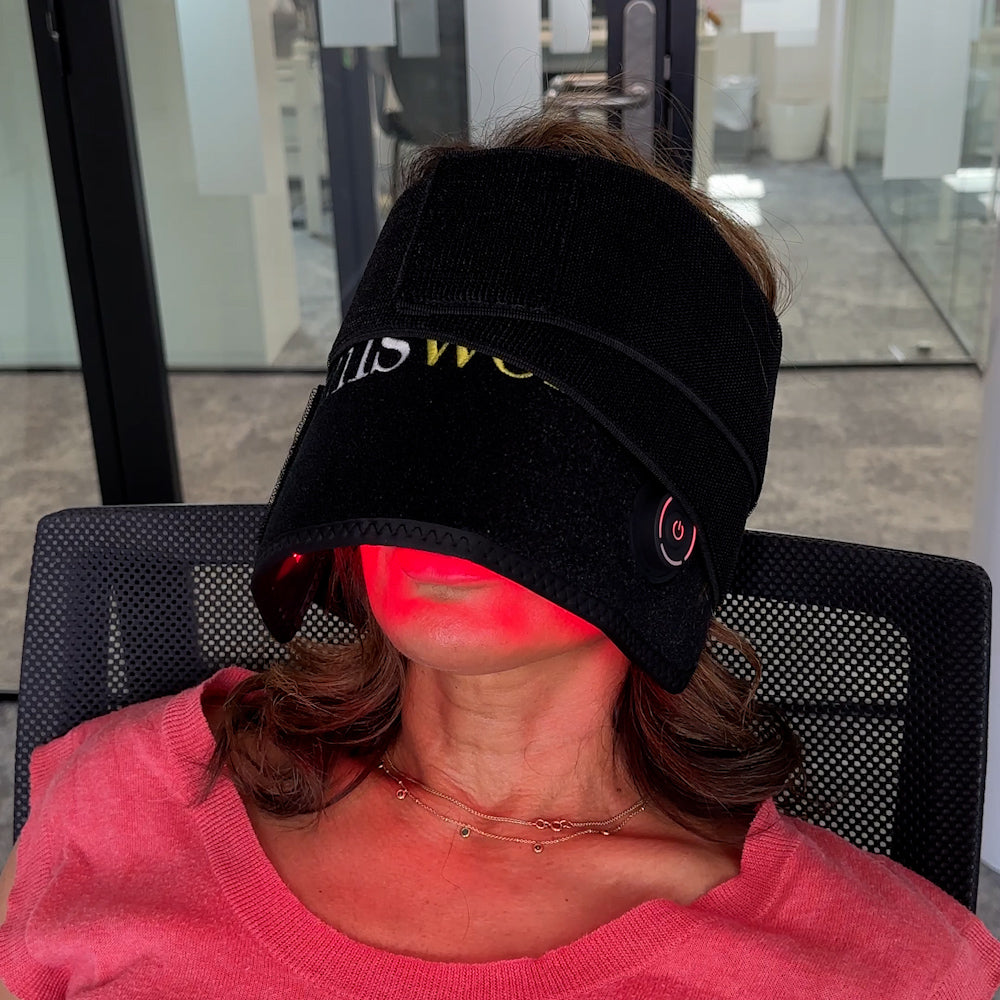
how red light supports collagen and skin quality
This is particularly relevant to fibroblasts, the cells responsible for collagen and extracellular matrix production. Experimental and clinical studies demonstrate that red and near-infrared light can increase fibroblast activity and collagen synthesis, leading over time to improvements in skin firmness, elasticity and texture. These effects are gradual and require consistency.
Within this cellular framework, Coenzyme Q10 plays an important role. As a naturally occurring molecule in the mitochondrial membrane, CoQ10 supports electron transport and ATP production while acting as an antioxidant. Levels decline with age, which can contribute to reduced cellular efficiency and visible signs of ageing.
The red light power serum has been formulated with CoQ10 at its core, supporting cellular energy pathways alongside red light therapy. By increasing the availability of CoQ10 in the skin, the serum may help optimise mitochondrial function during photobiomodulation. Supporting ingredients such as hyaluronic acid provide hydration, while ectoin helps protect the skin barrier from environmental stress.
Clinical and panel evaluations of the red light power serum have demonstrated improvements in key markers of skin quality, including elasticity, firmness, radiance and transepidermal water loss when used consistently over time.
While these studies were conducted on the body rather than the face, the underlying biology of the skin supports a considered read-across. Both facial and body skin rely on the same core cellular processes, including mitochondrial energy production, collagen synthesis and barrier function, albeit with differences in thickness and sensitivity.
Ingredients such as Coenzyme Q10, which plays a central role in mitochondrial electron transport and antioxidant defence, act at a cellular level that is not site-specific, meaning their functional relevance extends across skin types (Knott et al., 2015). Similarly, photobiomodulation has been shown to stimulate fibroblast activity and collagen production across multiple anatomical sites (Avci et al., 2013).
Taken together, this suggests that while direct facial clinical data is always preferable, the observed improvements in body skin provide biologically plausible support for similar, though potentially more nuanced, benefits when applied to the face under appropriate conditions of use.
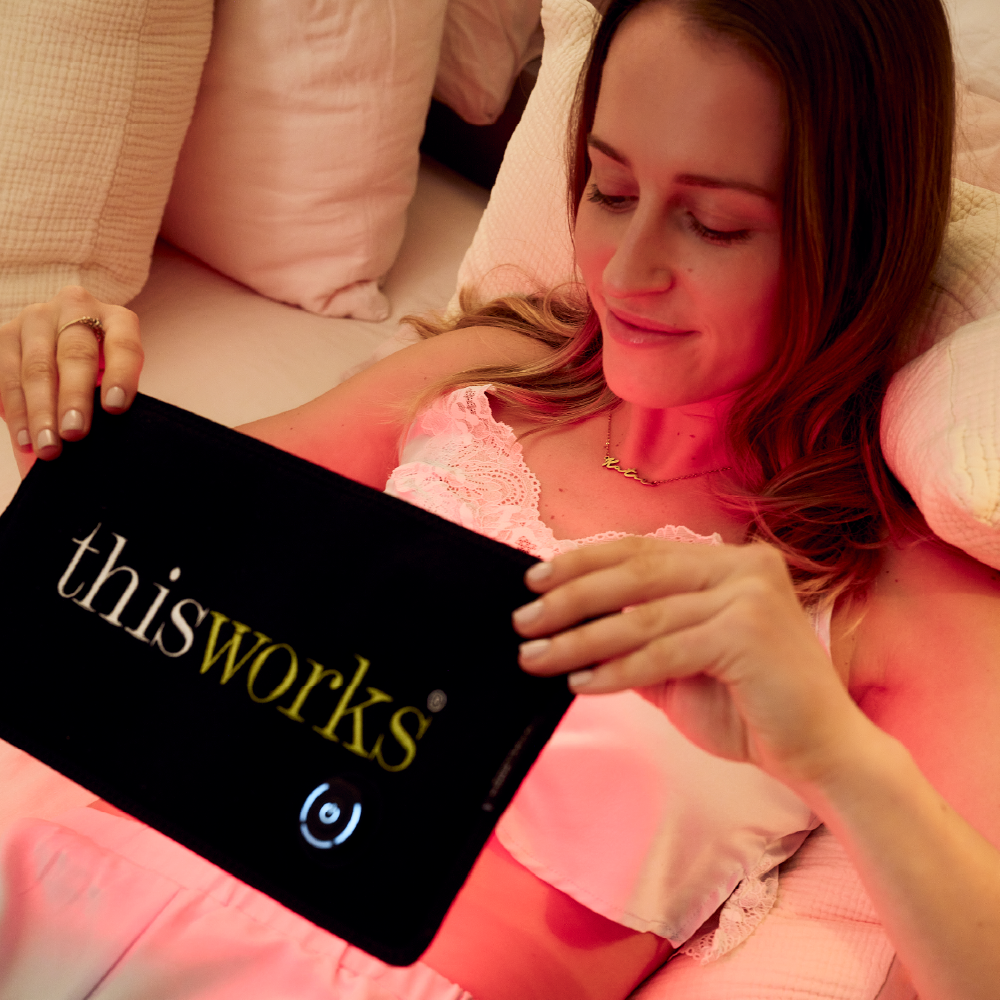
why red light therapy and CoQ10 work together
When used together, red light therapy and the serum create a complementary system. Light provides the stimulus for cellular activity, while the serum supports the processes that follow.
A study has shown that red light photobiomodulation combined with topical CoQ10 application is synergistic, leading to increased efficacy compared to either stimulus on its own (Salehpour et al., 2020). This is not an amplification beyond biological limits, but a more complete support of the same pathways.
Over a three-month period, the combined use of red light therapy and the red light power serum should be understood as a gradual process of supporting the skin’s natural repair and renewal systems rather than delivering immediate transformation.
weeks 1–2
Skin may begin to feel more hydrated, balanced and comfortable, supported by ingredients such as hyaluronic acid and ectoin alongside improved microcirculation from photobiomodulation. Some users may notice an early increase in radiance or a more rested appearance, although visible structural changes are unlikely at this stage.
weeks 3–6
As consistent red light exposure continues to support mitochondrial activity and fibroblast function, subtle improvements in skin texture and smoothness may become more noticeable. Fine dehydration lines may appear softer, and overall skin tone may look more even.
During this period, CoQ10 within the serum may help support cellular energy production and antioxidant defence, reinforcing the skin’s response to light-based stimulation.
weeks 7–12
Longer-term biological processes such as collagen remodelling and extracellular matrix support may begin to contribute to visible improvements in firmness, elasticity and overall skin quality. Skin may appear smoother, more resilient and more luminous, with a gradual softening in the appearance of fine lines.
Results at this stage are typically subtle and cumulative rather than dramatic, reflecting the natural pace of skin renewal and repair.
Consistent use remains important throughout the three-month period, as photobiomodulation works most effectively through repeated, moderate exposure over time. The combination of red light therapy and a CoQ10-based serum is best viewed as a long-term support system for skin health, helping to optimise the cellular environment in which repair, hydration and collagen maintenance occur.
best practice and long-term skin support
When using a body device such as the red light body wrap duo on the face, care should be taken. The eyes should remain closed at all times and direct exposure should be avoided. Consistent, moderate use is recommended.
Over time, this combined approach may support improvements in skin tone, texture and resilience. Results develop gradually and should be understood as part of a long-term approach to skin health rather than an immediate transformation.
Ultimately, red light therapy works in alignment with the skin’s biology. When paired with targeted skincare such as a CoQ10-based serum, it supports a more considered, balanced and sustainable approach to skin improvement.
References
Karu, T.I. (1999) Journal of Photochemistry and Photobiology B, 49(1), pp. 1–17.
Hamblin, M.R. (2017) AIMS Biophysics, 4(3), pp. 337–361.
Salehpour F, Farajdokht F, Cassano P, Sadigh-Eteghad S, Erfani M, Hamblin MR, Salimi MM, Karimi P, Rasta SH, Mahmoudi J. 2019 Jan;144:213-222. doi: 10.1016/j.brainresbull.2018.10.010. Epub 2018 Oct 29. PMID: 30385146; PMCID: PMC6309497.
Mao, Z., Wu, J., Dong, T. et al. Additive enhancement of wound healing in diabetic mice by low level light and topical CoQ10. Sci Rep 6, 20084 (2016). https://doi.org/10.1038/srep20084
 expertsthe upper body edit: stress, tension and ageingFrom jaw tension and headaches to poor posture, hair loss and visible signs of ageing, chronic stress affects far more than how we feel. Dr Lana Gault explores how modern lifestyles are reshaping the upper body, why nervous system regulation...read post
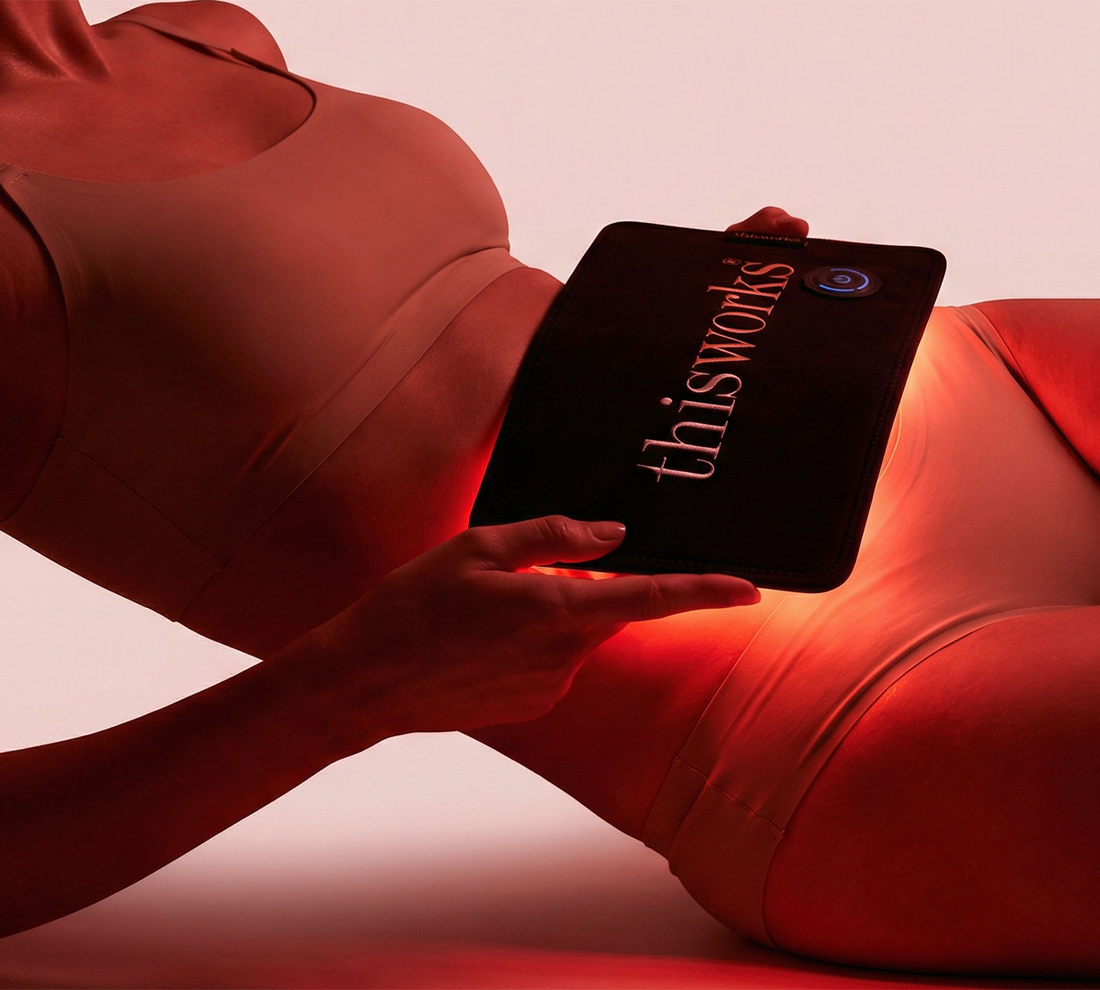 red lightred light body wrap featured in Marie ClaireMarie Claire has highlighted the red light body wrap as an at-home light therapy ritual designed to support skin, recovery and relaxation.read post
 red lightred light therapy for skin: what the science actually showsHow red light therapy supports collagen production, cellular energy and skin repair, and why combining photobiomodulation with CoQ10-based skincare may help optimise long-term skin health.read post
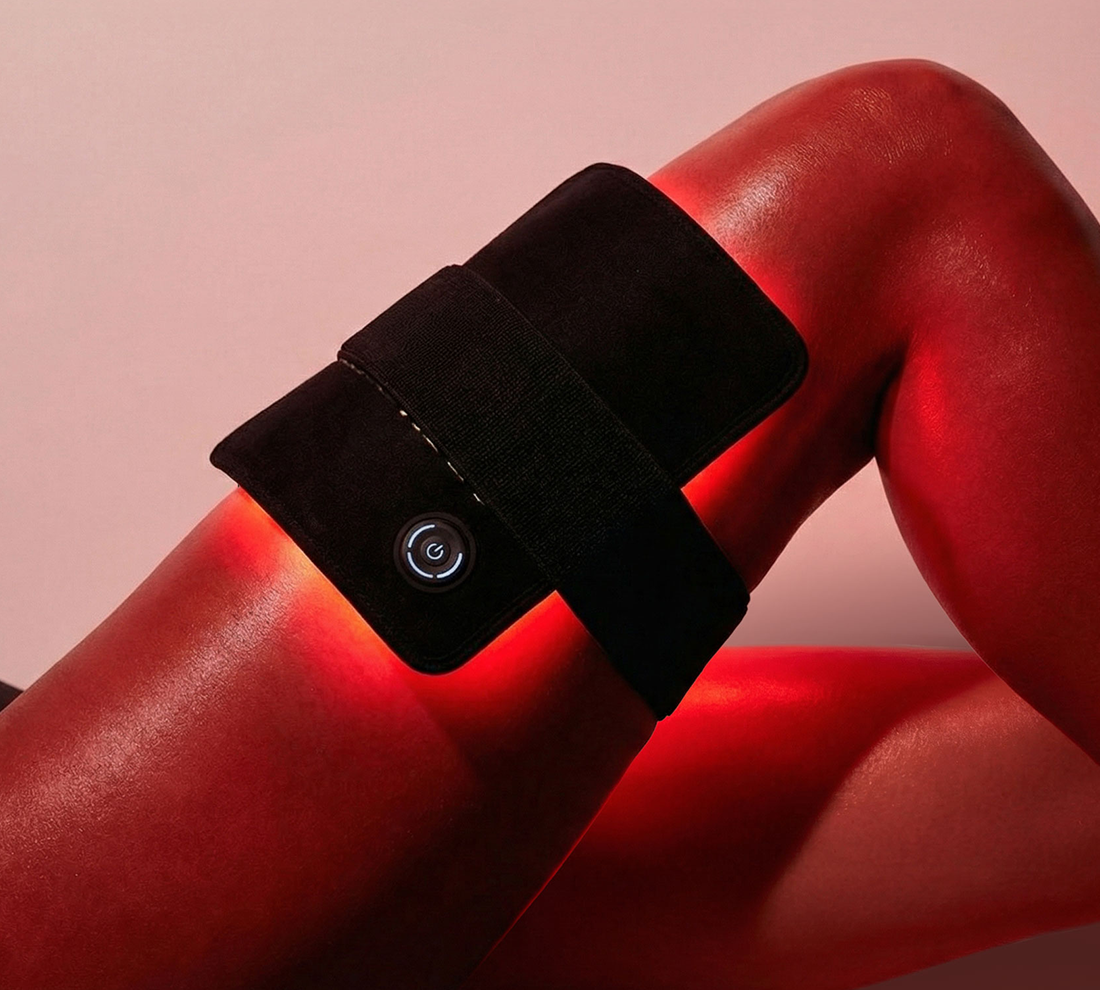 red lightred light body wrap featured in The London StandardThe red light body wrap has been spotlighted in The London Standard, with Beauty Director Rose Beer praising the device’s impressive results in her weekly beauty edit.read post
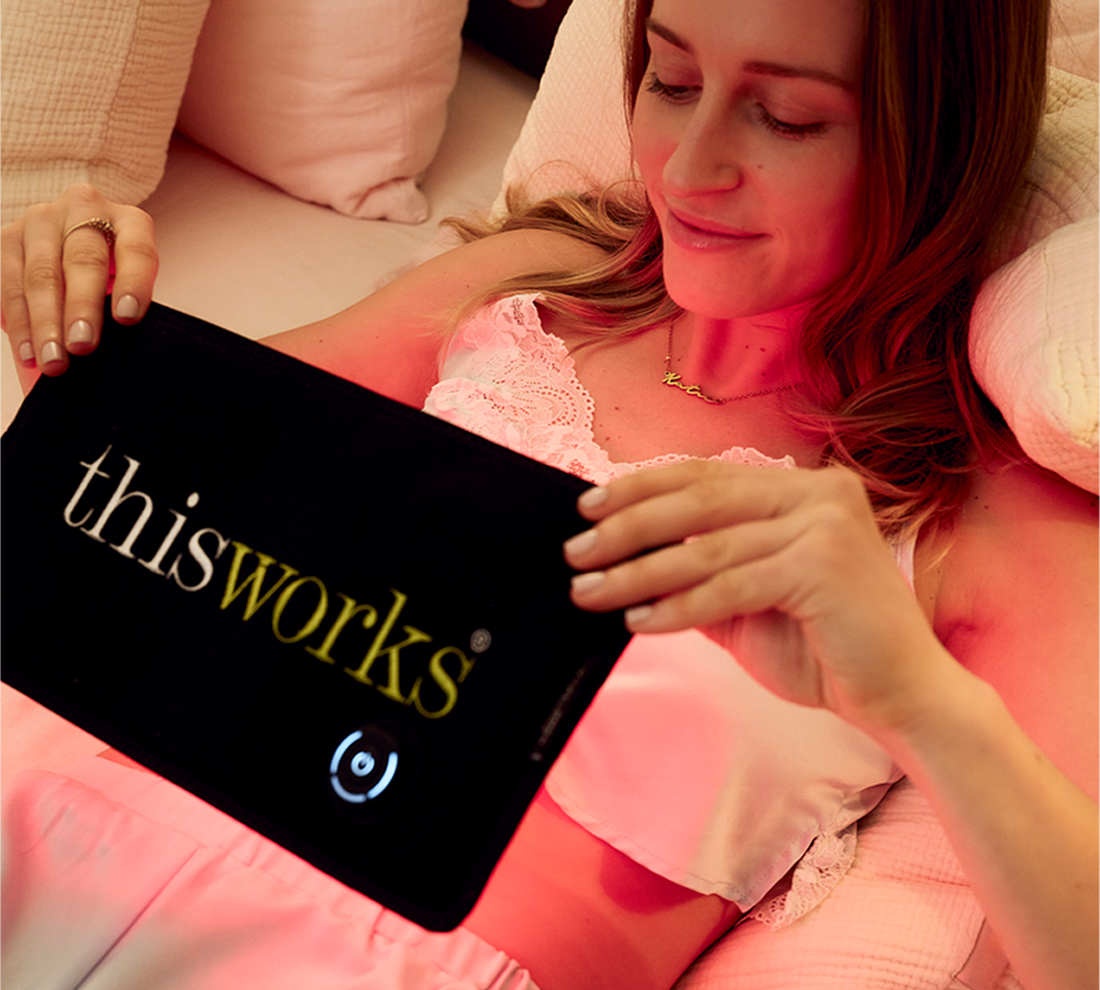 red lightreal results: red light therapy case studiesDiscover visible improvements in skin tone, texture and hair appearance with consistent use of red light therapy, captured through real user journeys over time.No digital alterations. Real people. Results drawn from multiple user studies.read post
 bodycare concernsred light body wrap duo featured in Woman&HomeThe red light body wrap duo has been spotlighted by Woman&Home, highlighting the growing demand for at-home red light therapy and full-body LED skincare solutions.read post
 red lightred light body wrap and red light power serum featured in British VogueBritish Vogue has spotlighted the red light body wrap and red light power serum, highlighting the pairing as a results-driven system designed to maximise the benefits of red light therapy.read post
 red lightred light and circadian skin science: a research review by our expert Professor Gaby BadreNeuroscientist Professor Gaby Badre explores the science behind red light therapy, from cellular repair to circadian rhythms, and what recent studies reveal about timing, efficacy, and skin health.read post


